The Journey of Mounir Konate
A set of dunks can encapsulate the many layers of an entire journey: like the one that carried Mounir Konate from Milan’s playgrounds to the Ville Lumière and the stage of Quai 54, guided for much of the way by Kader Kam, a pioneer of the Italian movement built around this art form.
Interview by Overseas | Gianmarco Pacione
Photography by Francesco Bonato
Together with DEFMO Studio for Jordan Brand
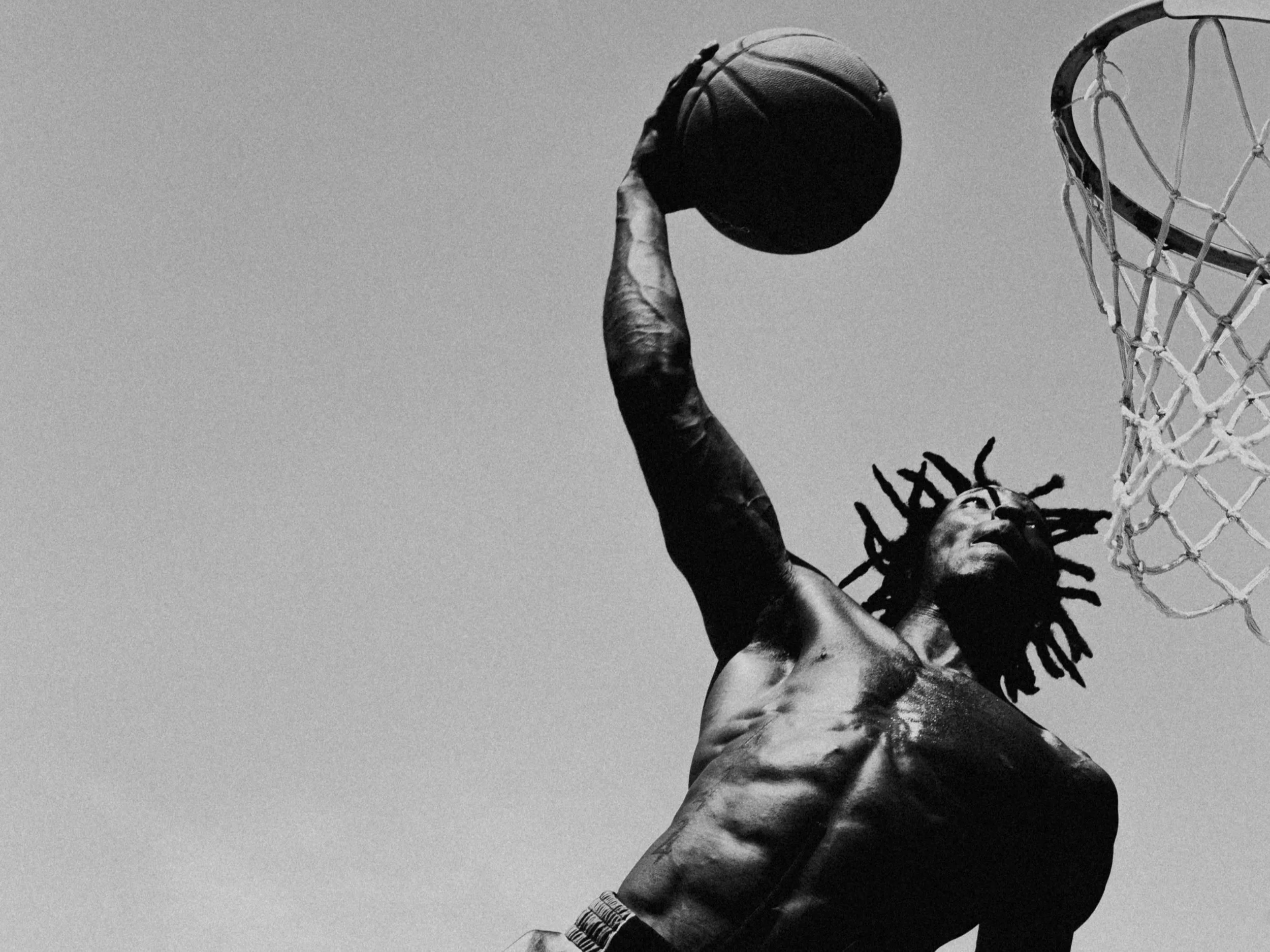
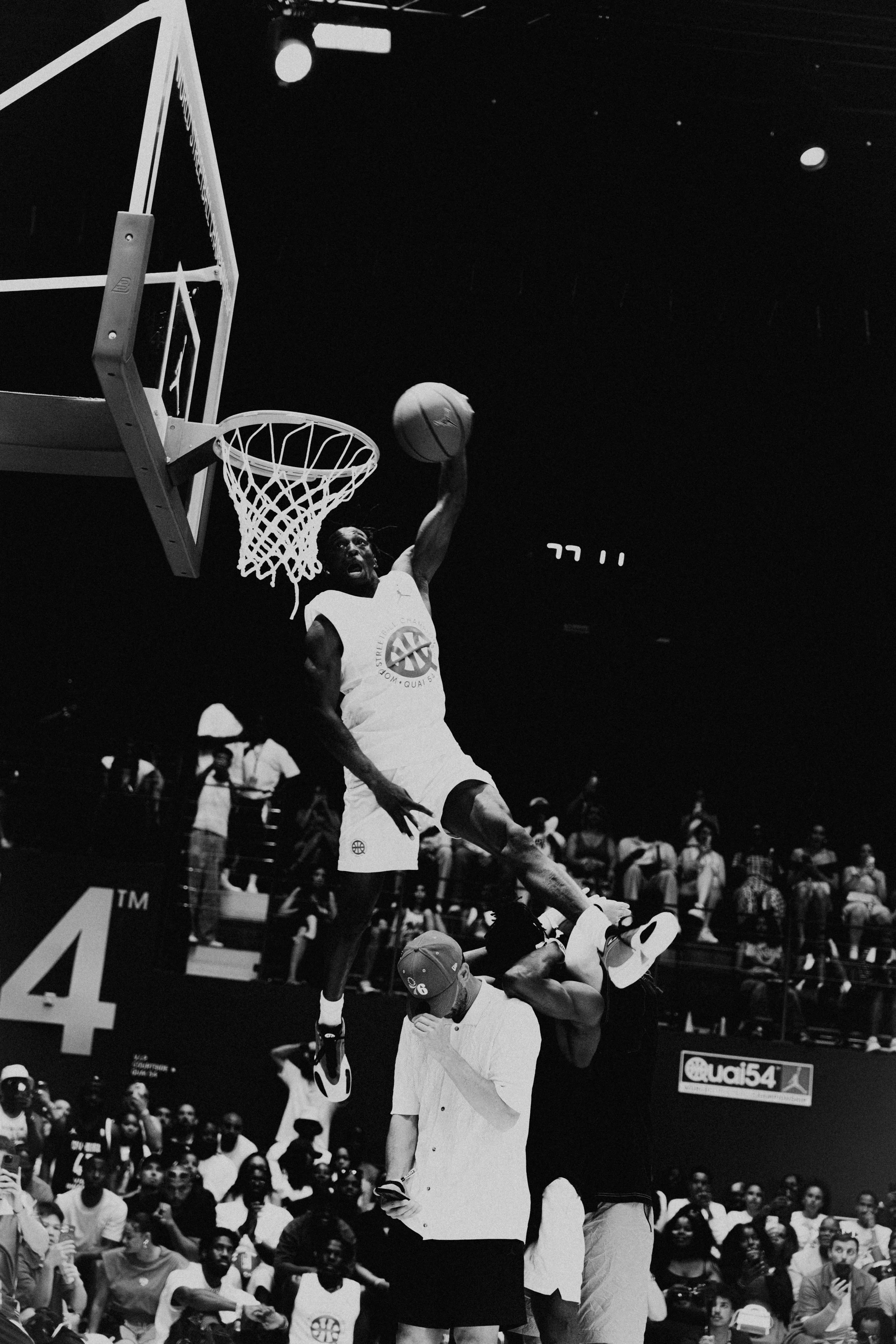
It all happens in an instant. Fleeting. Electric. Overpowering. Artful. Behind Mounir Konate, the Quai 54 court, mosaicked in fluorescent hues: the ultimate celebration of global streetball, where Paris’ basketball and cultural currents converge before radiating outward at their highest expression. In front of a packed gym, its apex moment unfolds: a showdown between high-flyers from every corner of the world, each expressing both an essence and path entirely his own.
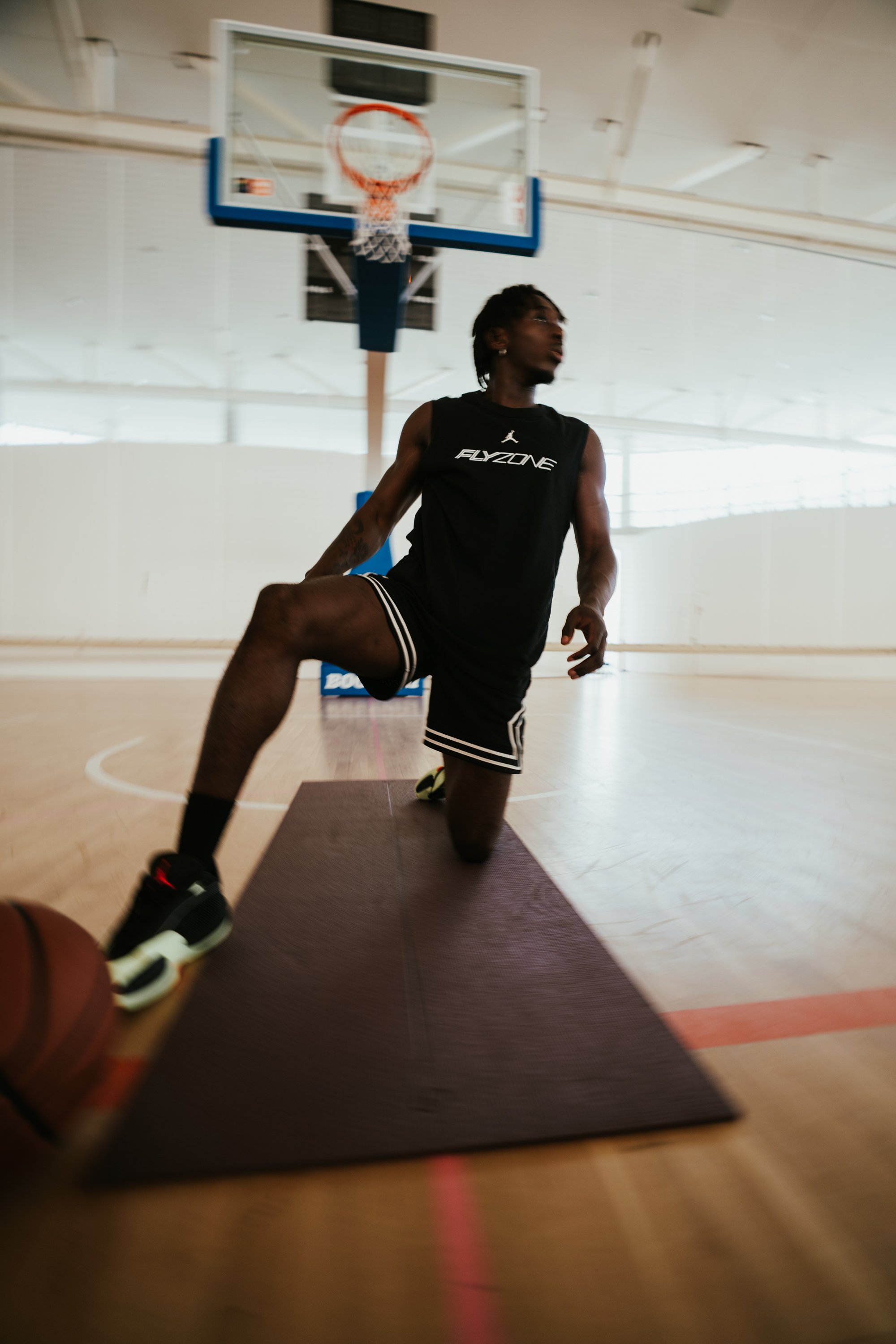
It all happens in an instant. The set-up. The attack. The flight. The throwdown. First, silence. Then the flashes. The dropped jaws. Finally, the eruption. You think you’ve understood who Mounir Konate is simply by watching his body pirouette and extend above the ten-foot rim before trying to rip it off, roaring into the moment, at the very center of it all. Then you close your eyes and hear the hardwood creak inside Milan's FlyZone. Beside him stands his mentor, Kader Kam.
It all happens in an instant. Imagined. Cultivated. Studied. Perfected. You can feel the distillation of an entire process forged in the shadows of the grind, shared with one of the pioneers of this art form and of the movement that shaped it in Italy. And you understandoi that the real purpose lies elsewhere: in the expression of who Mounir has become, of the community he represents, and of the roots he carries with him. Alongside the desire to inspire who’ll follow him.
It all happens in an instant. But it is an instant that contains everything. A journey. One we chronicled by following Mounir from Milan to Paris, from rim to rim, in pursuit of the purest expression of flight embodied by the Jumpman. And one that we now unpack in this conversation.
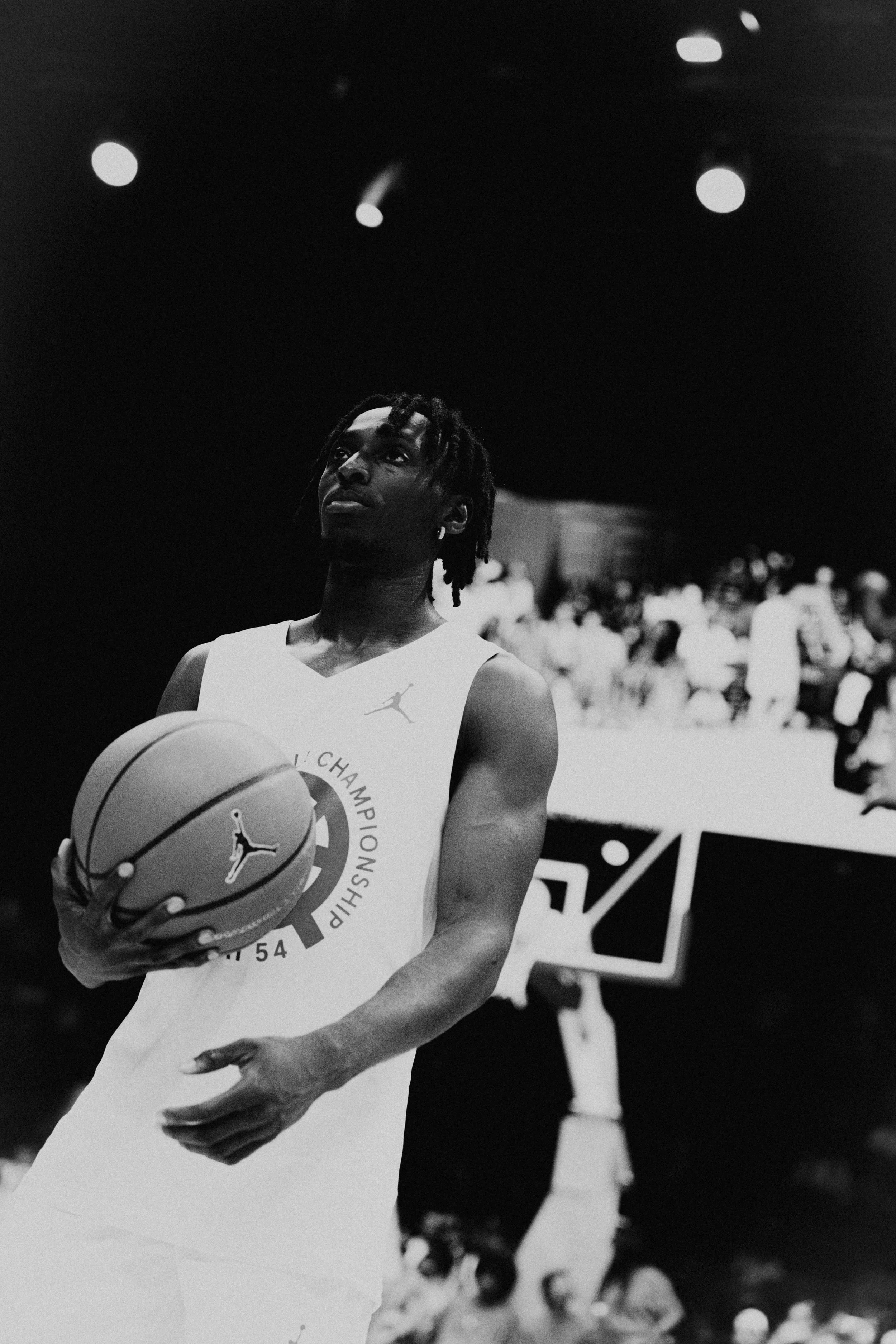
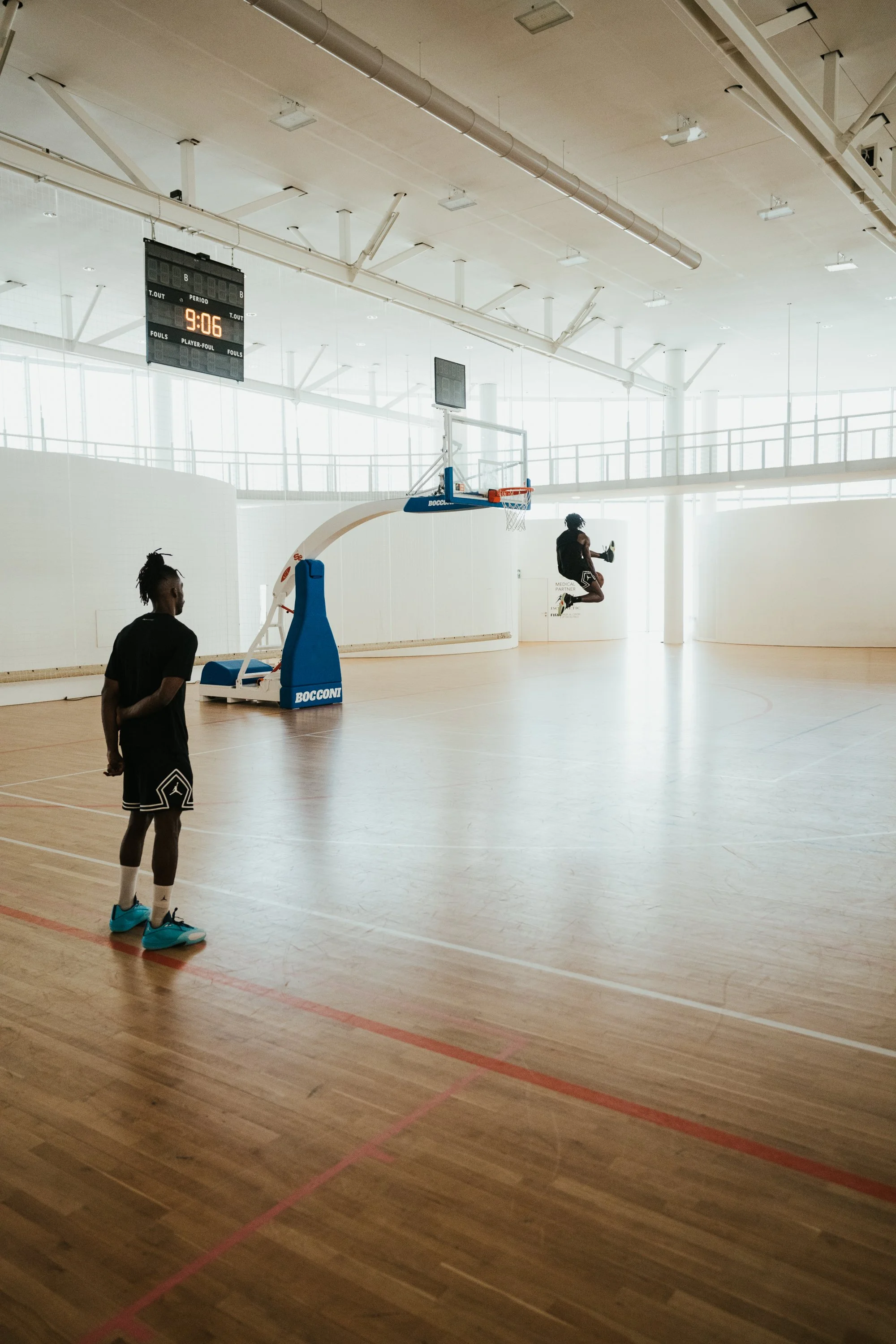
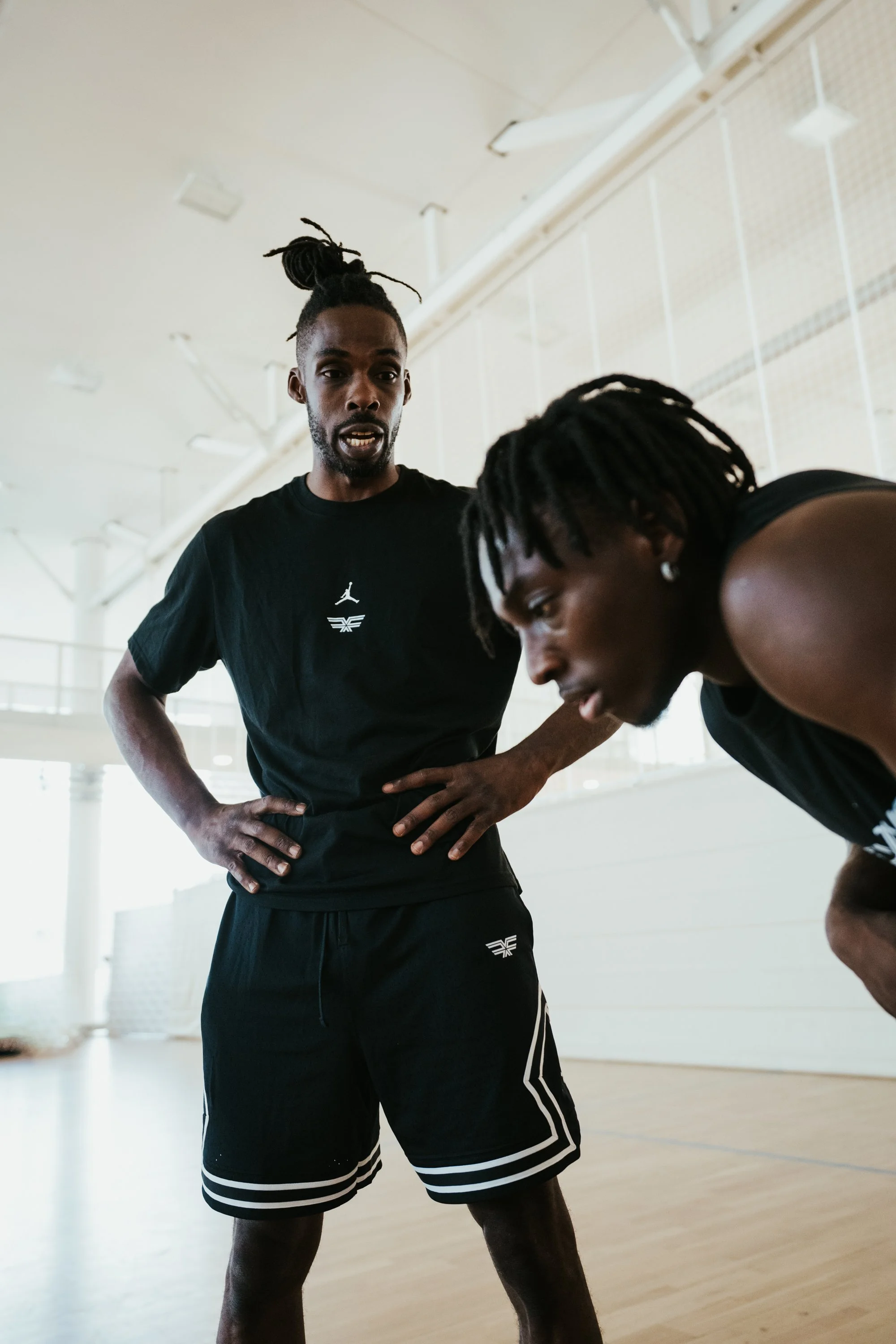
[Overseas] How did basketball first enter your life? And how did you eventually get above the rim for the first time?
[Mounir Konate] “I owe it to my PE teacher. One day, he had us play basketball at school and noticed that I had a natural feel for it. He told me, ‘Why don’t you try joining a team?’ That was where everything started. Before basketball, I had done swimming, karate, judo, and track and field, so all of that had given me a good base to build from. The first dunk came when I was 15 years old. That summer, I was training so much that I eventually overdid it. I had to stop for a full week while I was on vacation in Switzerland. Strangely enough, that was when I got my first dunk on a regulation rim. I had already dunked on a double rim at ten feet, but doing it on a proper hoop felt different.”
[O] Why were you chasing that first dunk so relentlessly? What did it represent to you?
[MK] “I spent all day watching highlights. Kobe Bryant was my favorite player, especially because of his work ethic. I wanted to keep getting better and find out how far I could push myself. It was really a challenge between me and me. I was only about five-nine. To a lot of people, it probably looked impossible. More than anything, I wanted to prove to myself that I could do it.”
[O] What did it feel like when you finally closed your first dunk?
[MK] “I was beyond happy. The only thing was, nobody was there to see it. I was completely alone. The real emotion came a few days later, when I got back to Milan. I was at the playground, somebody threw me a lob, and I caught it and finished in front of everyone. That was the moment when it truly sank in. I had actually done it. The feeling was incredible.”
[O] When did you realize dunking could become something more than a purely athletic act?
[MK] “To me, dunking is an art form, not just an athletic gesture. The turning point probably came when I joined the Da Move. I had already been training with Kam, but I still didn’t fully understand how far the craft could be taken. Then I started seeing international dunkers in person, especially at events at DKB, and a whole new world opened up. Even before that, I had met Miller during a dunk session. Watching him up close made me understand that the things I had only seen in videos could become real.”
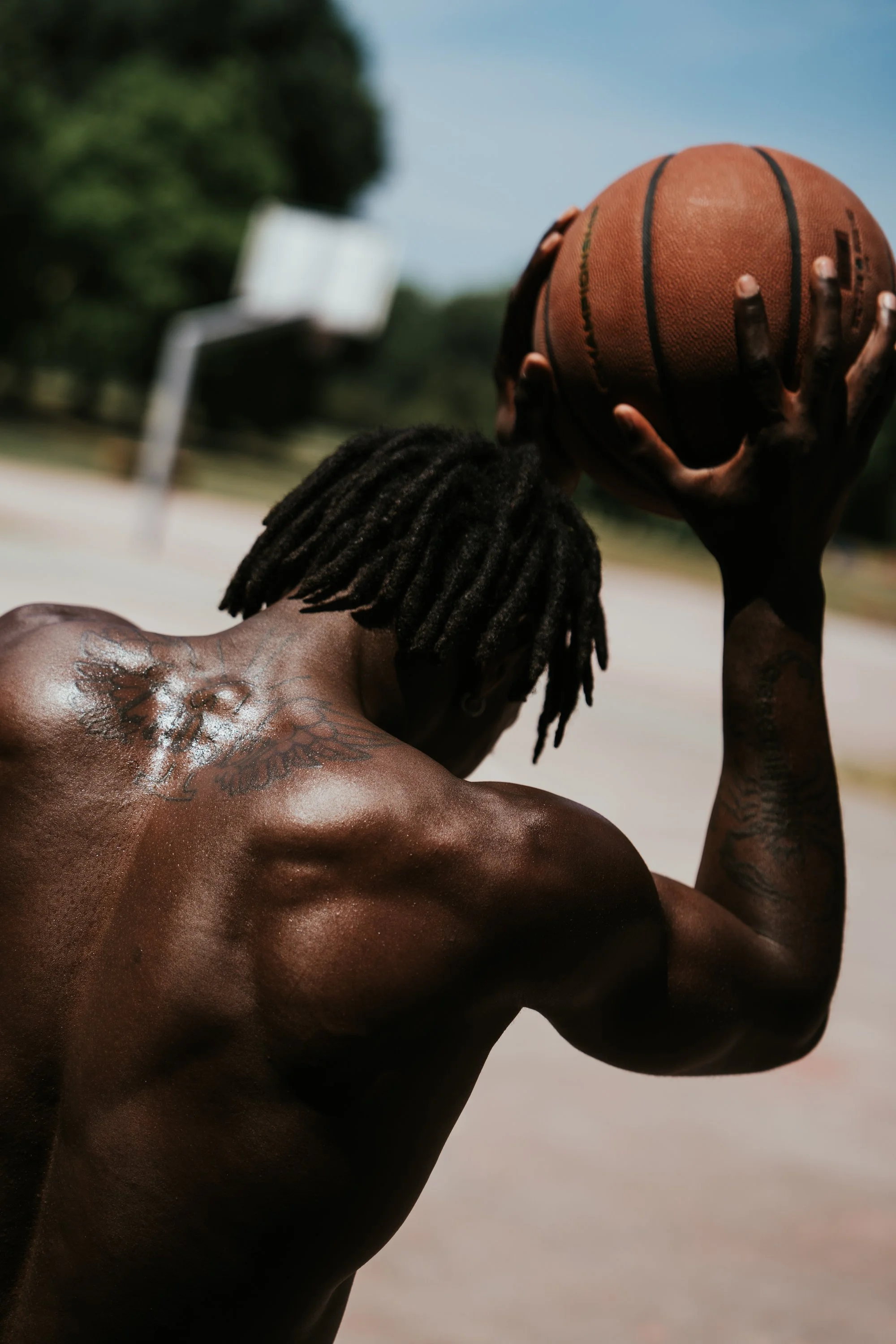
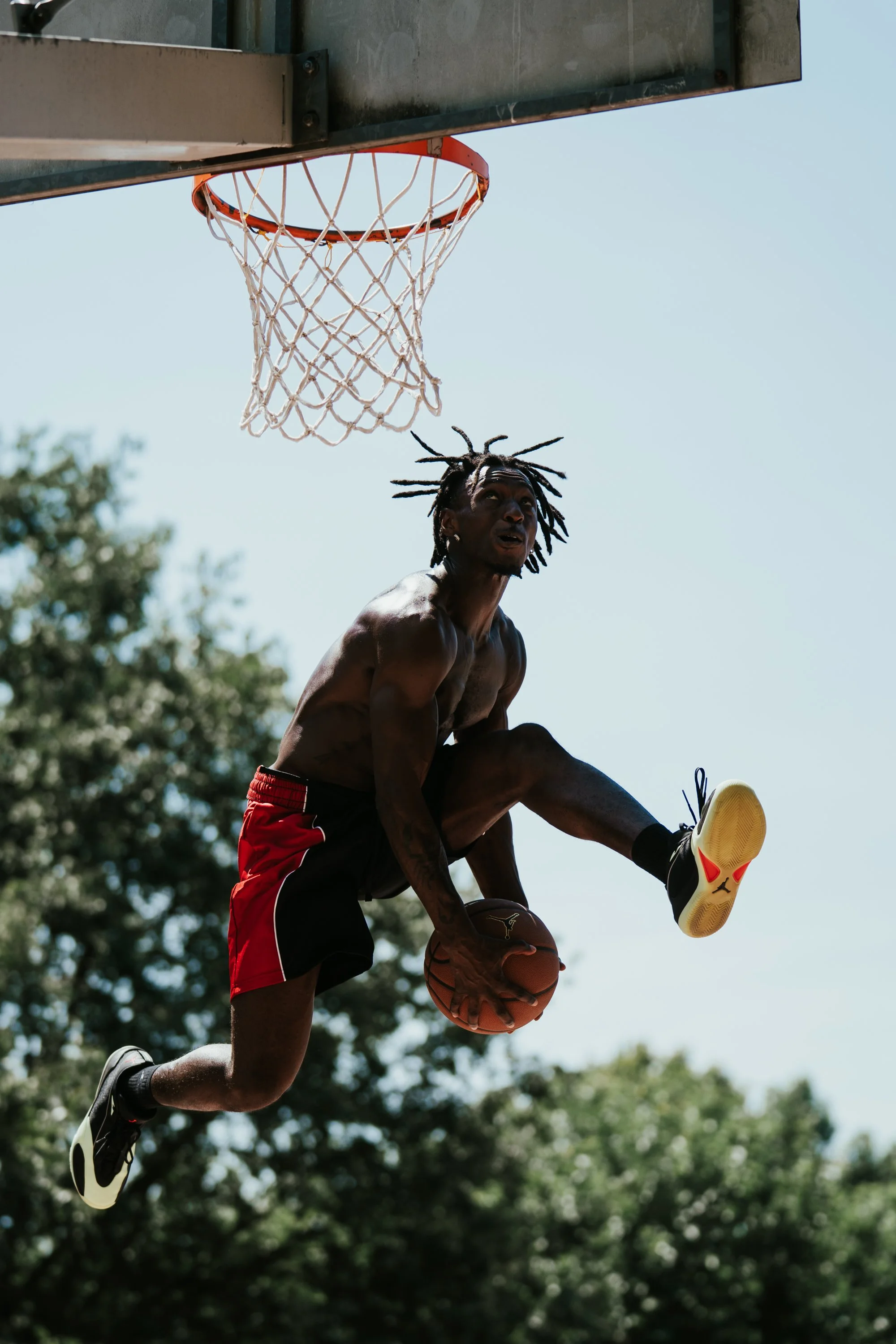
[O] Why do you describe it as an art form?
[MK] “Because dunking isn’t simply about jumping high. There is an enormous amount of athleticism involved, but there is also technique, body control, creativity, and style. It is like dance or breaking: it is not only about what you do, but how you do it. Every movement reveals something about who you are. That’s why I see it as a genuine form of artistic expression.”
[O] How would you describe your own style?
[MK] “I’d say it is very fluid. I like having that lightness in the air, but at the same time, I love throwing the ball down with force. As soon as I see the rim, I have a hard time holding back. I feel the need to attack it. Sometimes that works against me in contests because I always want to put too much power into the finish. But that’s simply the way I experience dunking.”
[O] Where does that urge to attack the rim come from?
[MK] “It comes from the feeling it gives me, which is hard to explain. It gives me energy. It brings out this aggression, this intensity, and it makes me feel completely alive. It’s one of those moments when everything else disappears and the only thing left is the action itself. You really have to experience it to understand it.”
[O] How important was watching and competing alongside other dunkers in shaping your identity?
[MK] “It had a huge influence on me. I started following dunkers whose jumping style was similar to mine and who gave me the kind of feeling I wanted to create myself. Of course, I’ve my inspirations, but I also think I’ve something that makes me recognizable: my fluidity. That’s what separates me from other dunkers. I feel like there is a certain lightness to the way I move in the air, and over time that has become part of my identity.”
[O] What is the relationship like between dunkers away from competition?
[MK] “Outside of competition, we are a real community. Whenever we can, we train together, exchange ideas, and give each other advice. People sometimes underestimate how valuable that is, but hearing from somebody who does exactly what you do can help you grow in a major way. During a contest, everybody wants to win. Outside of it, we grow together.”
[O] What does it mean to be a dunker in Milan today?
[MK] “I think the movement has developed a lot over the past few years. For a long time, streetball was treated mostly as a passion: something people did because they loved it. Today, we’re trying to make people understand that there is real work behind a dunk. That is the message Kam and I want to communicate. Getting to this level isn’t only about talent or putting on a show. It takes discipline, planning, and daily training. That part is still underestimated.”
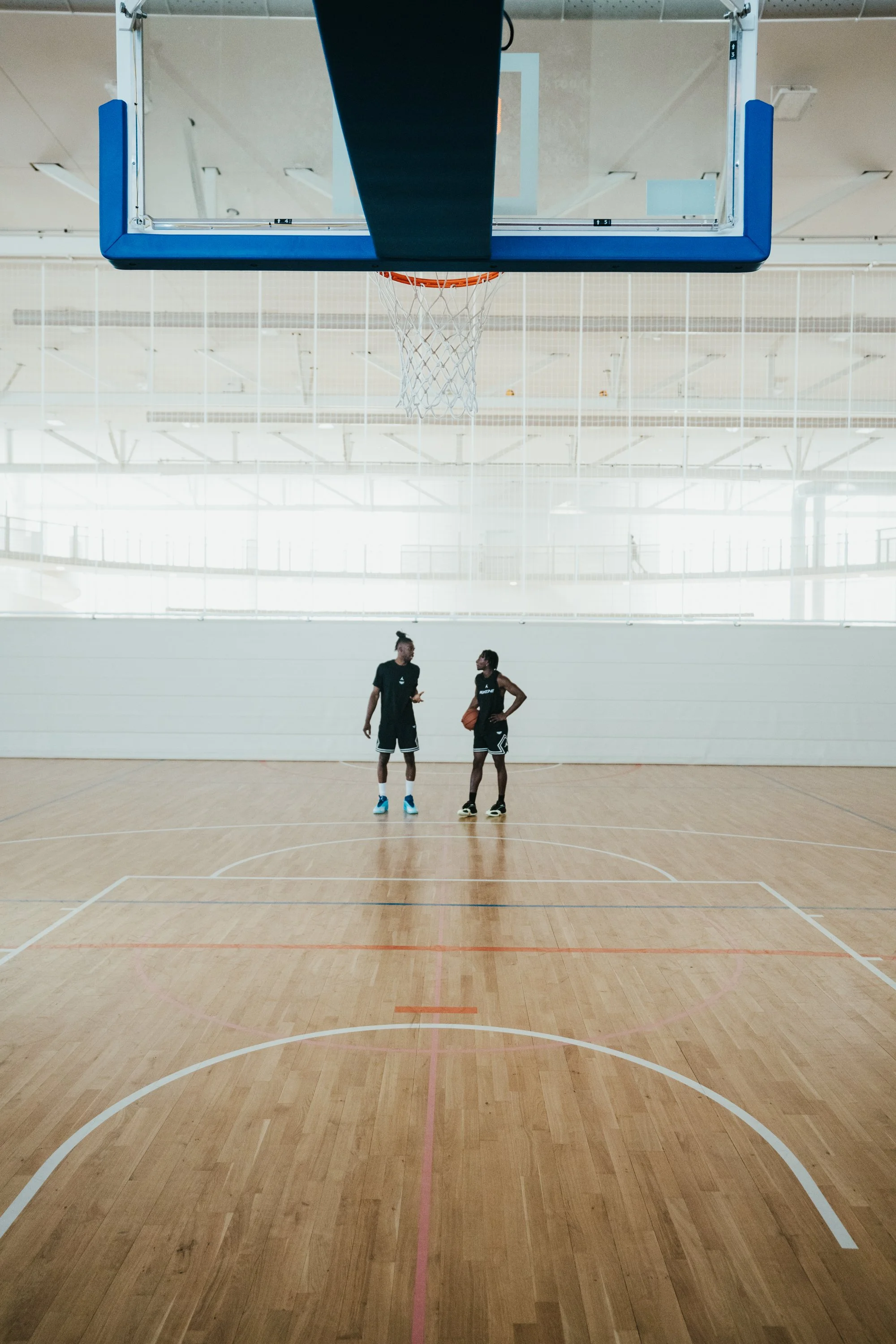
[O] When you first met Kam, did you understand how much work this world would demand?
[MK] “Not at all. Like a lot of people, I thought it was enough to train at the playground and keep dunking. The reality is completely different. To reach a certain level, you need discipline, consistency, and an enormous amount of time. Once I started training with Kam, a whole new world opened up. I already had a strong work ethic, and I’d been training by myself since I was thirteen. But working with him taught me what it actually means to prepare for performance. I’ve been training seriously with him for around three years, but the whole journey started long before that. Looking back now, I realize how far I was from understanding what the process truly required.”
[O] How did that connection develop, and what kind of impact has Kam had on your life?
[MK] “To me, Kam is like an uncle. I genuinely mean that, because our relationship goes far beyond training. I ask him for advice about almost everything, including parts of my life that have nothing to do with dunking or basketball. Whenever I’ve doubts or need help understanding something, he’s there. He’s somebody I know I can count on. His work ethic, the way he communicates, and the way he approaches situations have influenced me deeply, both as an athlete and as a person. He has become a real point of reference in my life.”
[O] How much sacrifice and hard work sits behind that sense of weightlessness in the air?
[MK] “There are days when you don’t feel like training. That happens to everyone. But those are exactly the days when work ethic matters most. Once you start choosing when you feel like working and when you don’t, it becomes difficult to reach the place you are trying to get to. At the same time, you’ve to enjoy it. I suffer during training, of course, but it’s a kind of suffering that I like because I know it’s making me better. Everything I do is meant to help me improve. And if I didn’t genuinely love what I was doing, there’d be no reason to keep doing it.”
[O] Would people be surprised if they watched one of your workouts?
[MK] “I think so. If you saw the faces I make during some of those sessions, you would understand immediately that it isn’t exactly a walk in the park.”
[O] Dunking forces you to constantly confront yourself, and to confront failure. How have you learned to manage frustration?
[MK] “That’s probably the area in which I’ve changed the most. I used to experience every mistake as a failure. If something wasn’t working, I’d get angry and stop thinking clearly. Now I try to see every mistake as a starting point. That was not something that came naturally to me. It’s something Kam and I built together, session after session. It’s still a constant battle with myself because I’m sensitive and impulsive. In the past, one argument during a workout could’ve been enough for me to shut everything down. Now I’m able to stop, breathe, and turn that frustration into energy I can use to improve. It may be the biggest change I’ve made, not only as an athlete but as a person.”
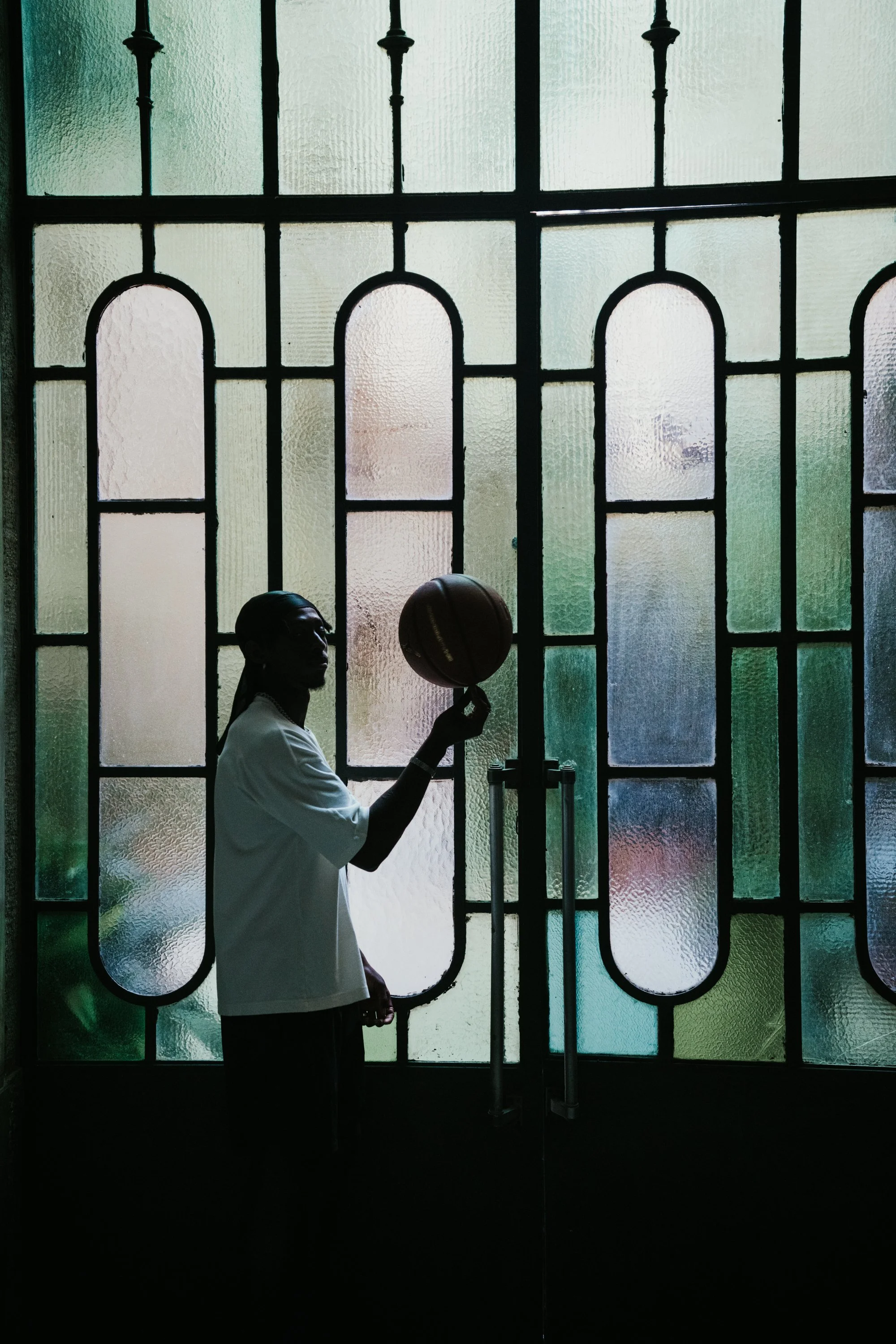
[O] What actually happens when you are in the air? What do those fractions of a second feel like?
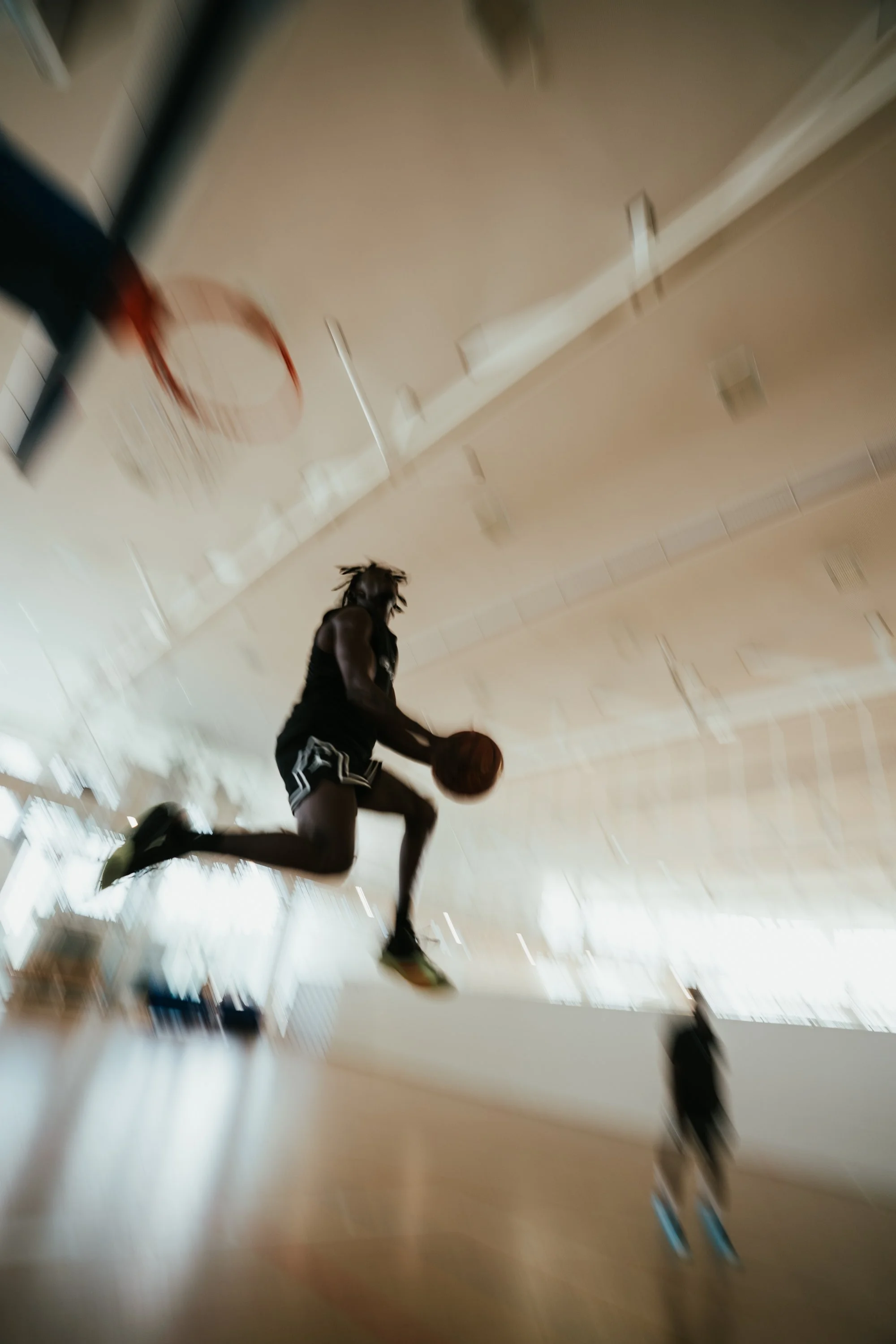
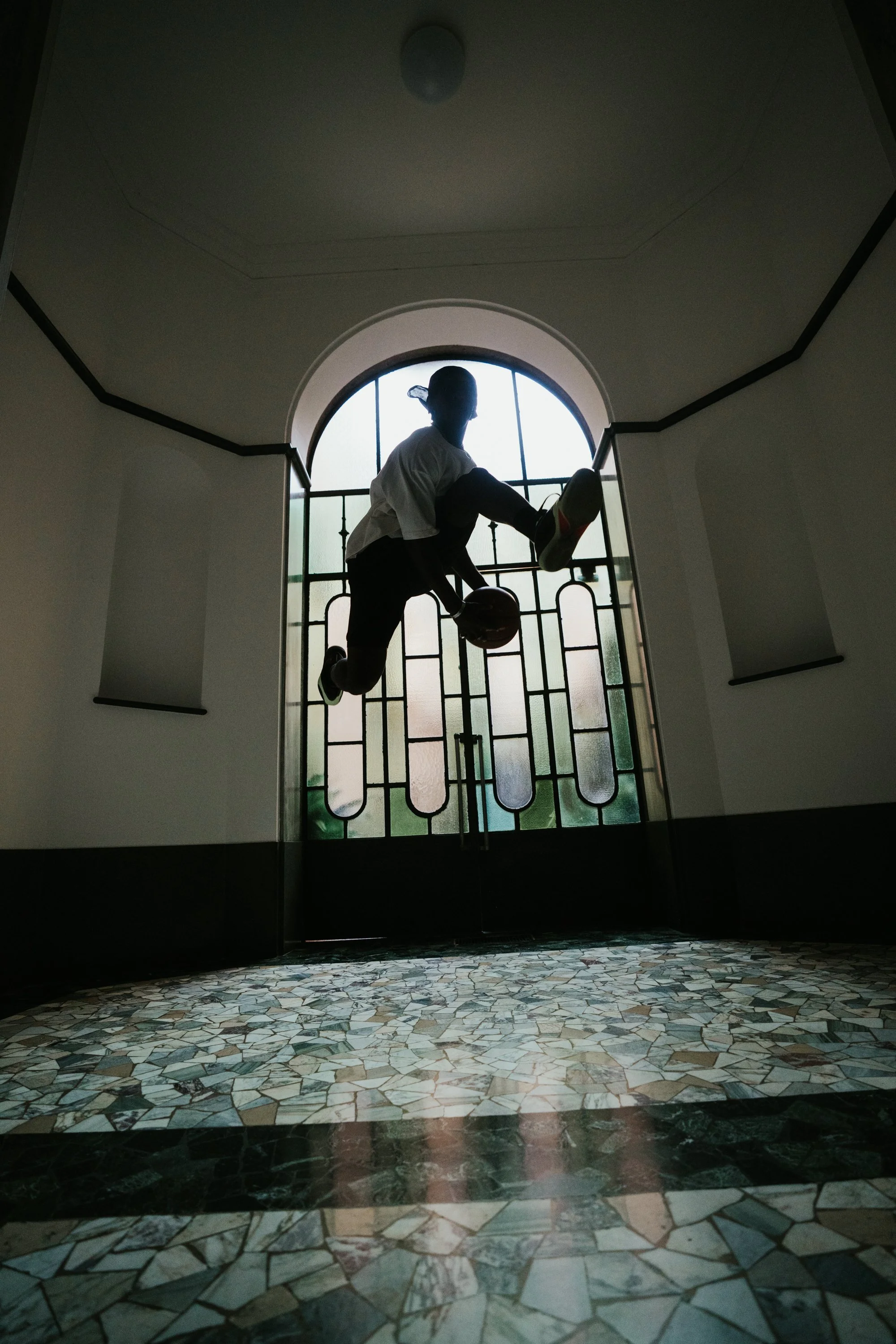
[MK] “It almost feels as if time stops. When I reach the highest point, I see the rim in front of me and I know the moment has arrived. Everything becomes concentrated inside that one instant. It’s like a frame suspended in time. I see what I’ve to do, and then I simply do it. It’s a difficult feeling to describe because it’s something you’ve to live for yourself.”
[O] Is there one dunk that captures that sensation better than any other?
[MK] “Yes. I remember one dunk when I was so high that I could see the net from above. For a second, I almost scared myself. I can still see it clearly in the video: my eyes are wide open and my mouth is hanging open. When I landed, I grabbed the ball and looked around as if to say, ‘Did I really just do that?’ Those are the moments that make you realize your body is capable of things you might have thought were impossible only a short time earlier.”
[O] What goes through your mind when you experience all of this under the Jumpman, at a basketball culture institution like Quai 54?
“It’s an enormous stage. I went there with a very simple goal: to show people what I can do. Kam and I have been working together for years, and this was the moment to bring all of that work, everything we’d built away from the spotlight, in front of thousands of people. It wasn’t only about landing beautiful dunks. It was about showing how much preparation it takes to reach that level.”
[O] Did you also feel a responsibility to represent something larger: Milan, Italy, or the young people watching you?
[MK] “Absolutely. The culture behind this world represents so much of who I am, and I’d love to bring it to Africa and to my family’s country, Burkina Faso, as well. I want young people to see that this possibility exists. That you can build a community, grow through the sport, and reach places you might never have imagined. It takes time, commitment, and consistency, but I believe it can become an incredible opportunity, especially for younger generations. The moment you make a kid understand that this kind of journey is possible, you’ve already opened a door for them.”
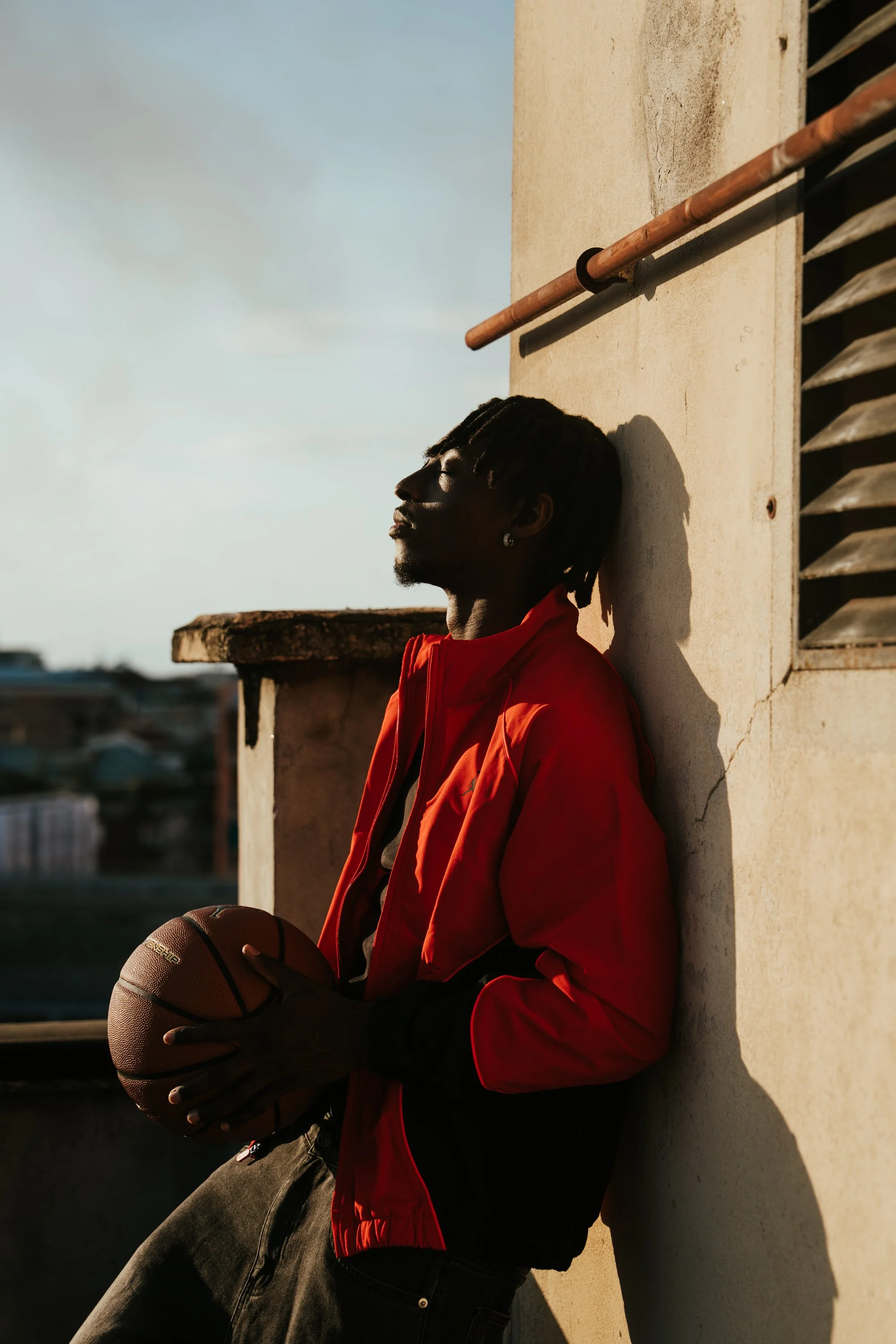
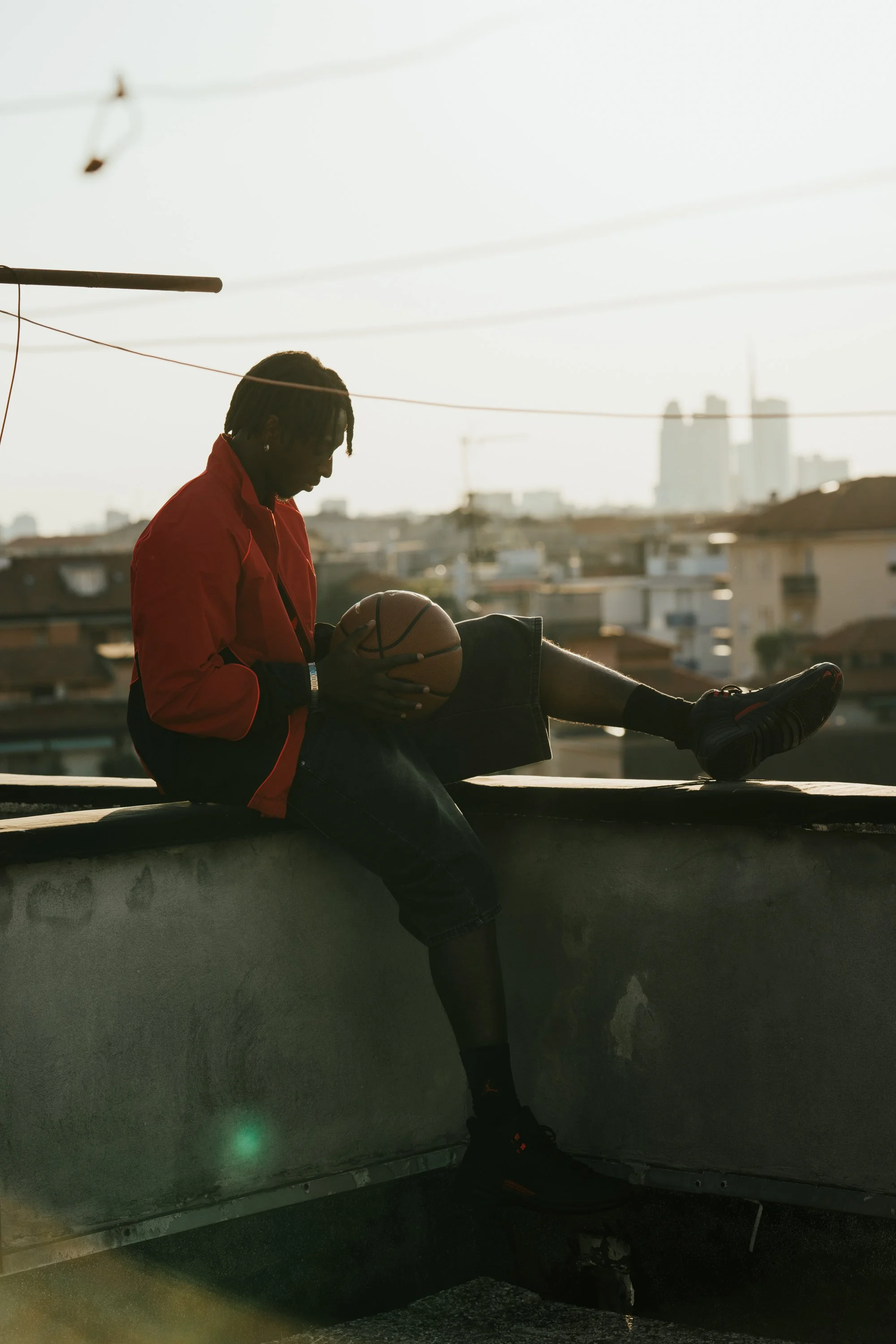
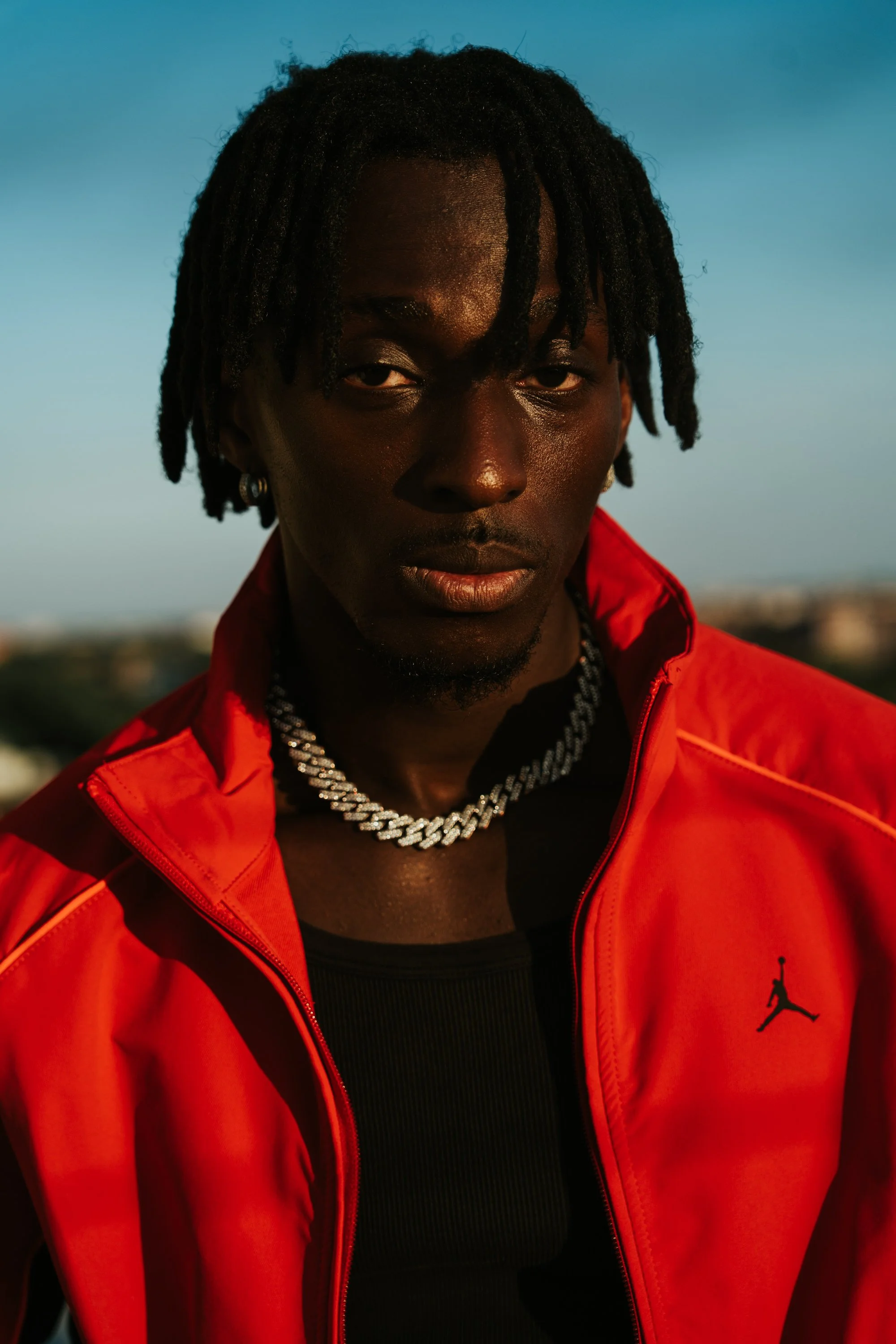
[O] Building on that, when the Quai 54 graphic was released, ‘Burkina Faso’ appeared beneath your name. Was that your decision? Would you also have liked to see Italy or Milan there?
[MK] “Italy is home, of course. I grew up here, went to school here, and my entire athletic journey began here. But seeing Burkina Faso beneath my name made me happy. That movement barely exists there right now. If what I do can help plant something in the country where my family’s roots are, as well as in the country where I grew up, that would mean a great deal to me. I represent both realities. I represent Italy, which gave me the opportunity to become the athlete I am today, but I also represent Burkina Faso. And if one day a kid sees what I’m doing and thinks, ‘Maybe I can try that too,’ then I will have left behind something meaningful.”
[O] What mindset does a dunker bring into a first appearance at an institution like Quai 54? And what mindset will follow it?
[MK] “I went there to win. That is how I approach every contest, and how I always will.”