MyGen | Sean Otuoke, Treviso Basket
Basketball is a matter of time and space, yet it’s also the only Game capable of living, and adapting, in every time and every space. Generation after generation. To understand where the Game stands today, and where it’s headed, there’s no lens sharper than the voices of the LBA NextGen Cup, the highest expression of Italy’s youth basketball system.
They embody the quintessence of that so-called poetry in motion: the vocation of a sport that, by its very nature, leans forward, toward progress, toward evolution. In the shifting rhythms and expanding spaces shaped by this new wave, basketball becomes a mirror of contemporary culture: something to listen to, to explore, free from stereotypes and outdated frameworks. This is MyGen. A series of visions of the Game as it is, and as it will become.
Our guest: Sean Otuoke, class of 2007, Treviso Basket.
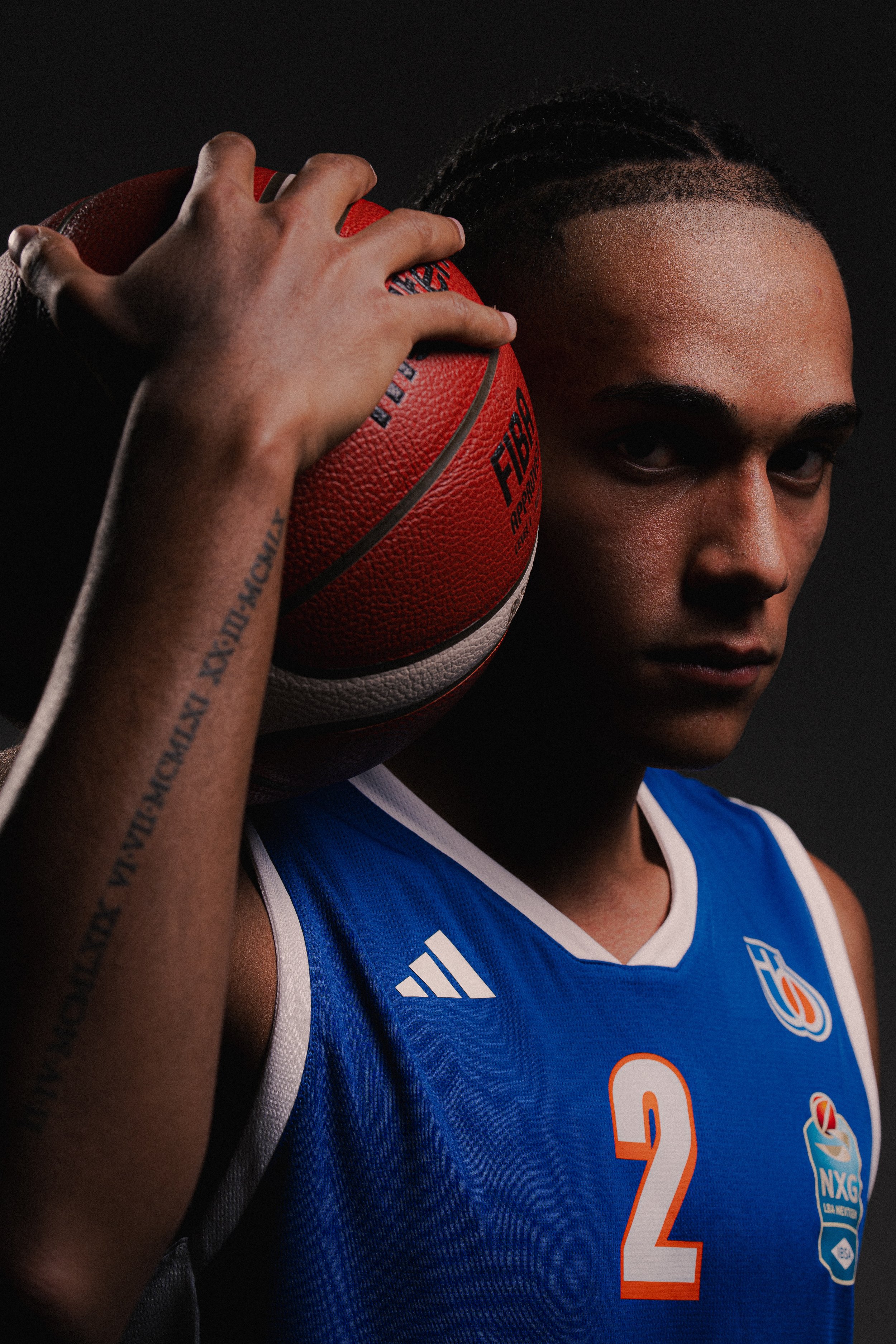
“I first met basketball in third grade, right after I quit football: the sport all my friends were playing. In my class there was this kid, completely obsessed with hoops, who kept telling me: “Come try it with me.” That invitation changed everything.
The moment I picked up a basketball, something clicked. The passion started there and never really stopped. And along the way, I was lucky: I had figures in my life who made that fire grow, especially Julian Stone, former Reyer Venezia player, who helped me mature, on and off the court, and became my biggest source of inspiration.
My relationship with Julian is almost paternal. He met me when I was eight, maybe nine years old, and he was the one who really set me on this path. I saw myself reflected in the way he played, especially in his defensive identity, a part of the Game people underestimate but that, in my opinion, is its foundation. One of the greatest opportunities he opened for me was three months of basketball in the U.S.: North Carolina, California, Washington. That experience shaped me deeply and strengthened our bond up until his last season here in Italy.
I was born in Conegliano, near Treviso, to an Italian mother and a Nigerian father. But I always say Pieve di Soligo is where I’m really from: where I went to school, where I made my first friendships, where I first fell in love with basketball. At thirteen, I moved to Treviso, which is still the core of basketball culture in our province, a place that has produced unforgettable success stories.
Treviso’s province breathes basketball. Even as kids, the rivalry between Pieve and Conegliano felt huge. Sundays against Conegliano were everything: we waited for those games all week. That competitive fire existed at every level: even players in Serie C (5th Italian League) carried this rivalry with pride. And this sense of belonging extended to the eternal duels between Treviso and Venezia. I still remember when Julian played for Venezia and my whole world felt split in half: I lived in Treviso, but one of the most important figures in my life played on the other side. I spent many nights at the Palaverde and Taliercio, absorbing both environments, feeling suspended between the two.
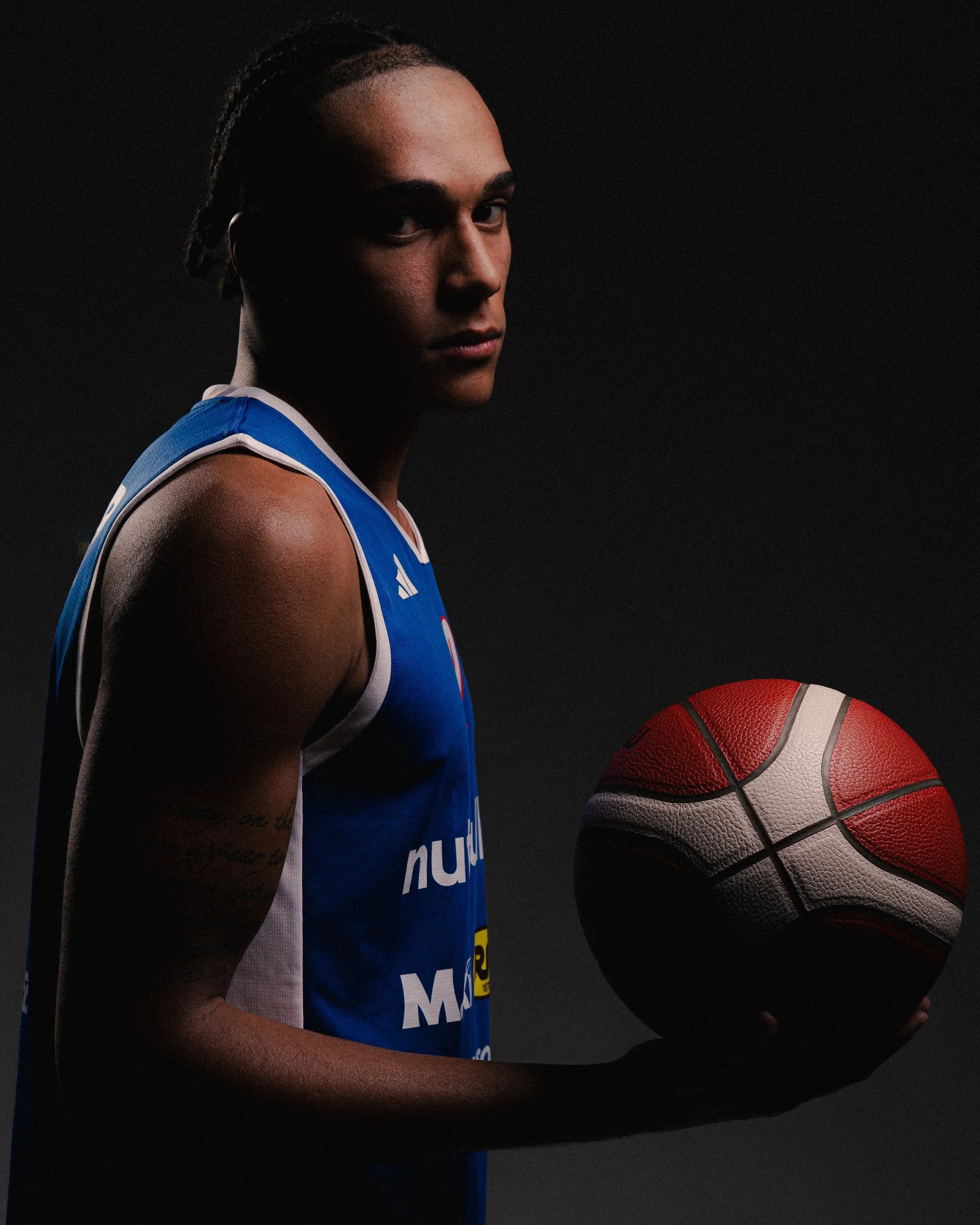
Wearing the Treviso jersey today is an honor. This club has a history that shaped Italian basketball. Every time I step on the court, I try to make this city proud: my teammates, myself, and everyone who came before us. My goal is to carry that legacy forward.
As for my cultural identity, I only learned to embrace it around ten or eleven years old. Growing up, I was ashamed of my skin color. I felt different, especially at school.
I remember telling my mom again and again: “I wish I were white.” But with time, and with guidance from people like Julian, I started understanding the value of who I am, both on the court and beyond it. My family, especially my uncles who raised me when my mom worked, helped me feel seen, supported, and proud. Today, I see my mixed heritage, Italian, Nigerian and American, as something rich, complex, meaningful. Something I’ve learned to honor.
I also have a ‘cinematic past.’ My aunt introduced me to that world: fashion shows, photo shoots, campaigns. When I was younger, with my dreads and wild hair, I even walked for brands like Diesel and Armani. Later, I made a small appearance in a Luca Guadagnino production on Sky Atlantic. She wanted me to pursue that path, but at some point, basketball took over completely. It demanded all my time, and I chose it without hesitation.
Those experiences helped me open up. Being around creative people from everywhere loosened something in me. On the court, that shows: I’m not shy, not quiet. I scream, I celebrate, I have bursts of energy and personality. It’s who I am. Some may like it, some may not. But it’s me.
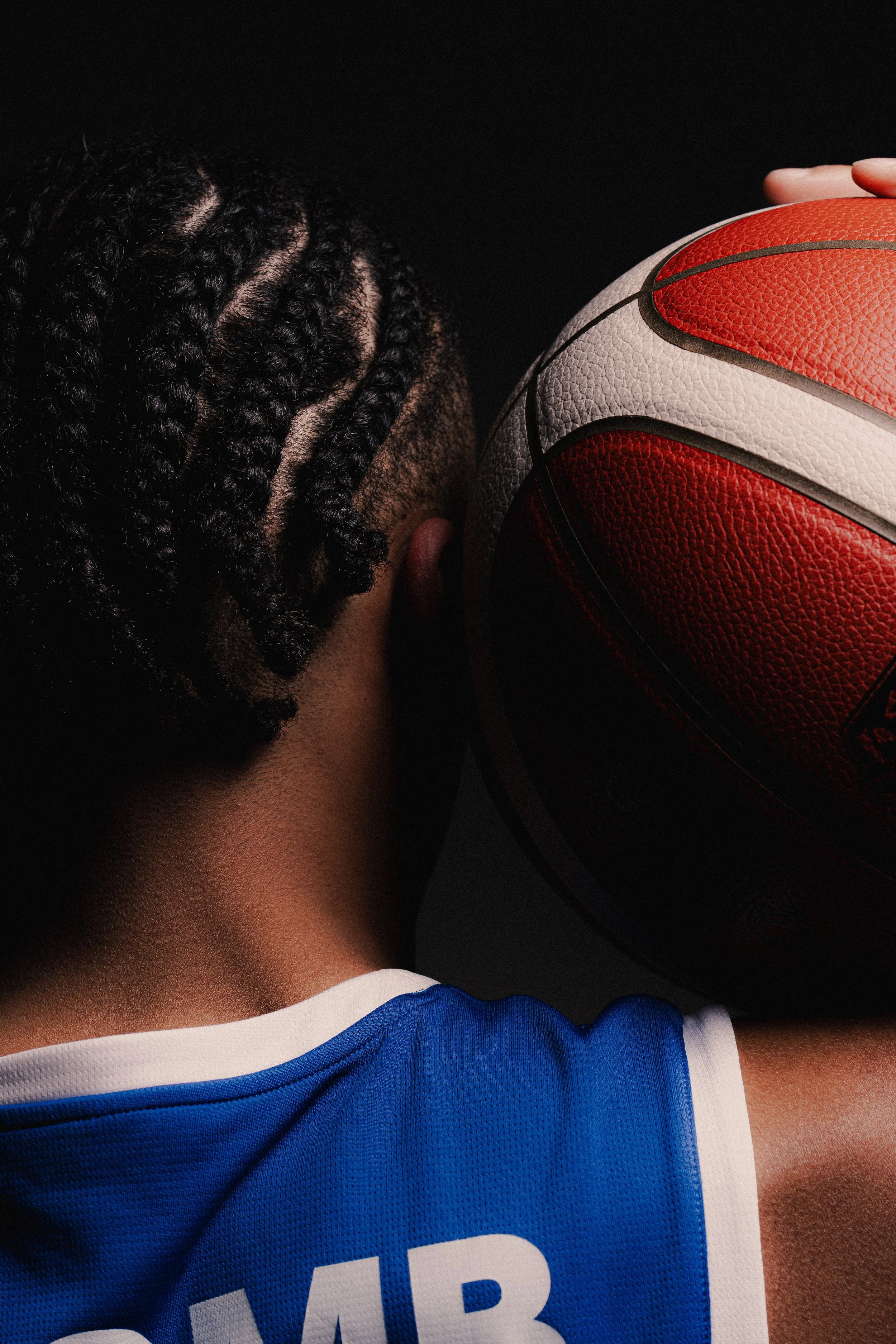
As proved by the NextGen, basketball is changing. Like everything, it evolves. Some people from past generations criticize the modern game, but I see change as possibility. In the ’90s, whether in Italy or in the NBA, roles were rigid: the center was the center, the playmaker was the playmaker, and nobody moved outside their box. Today, it’s different, and I love that.
We see two-meter point guards whose explosiveness rewrites the logic of the Game. We see ‘undersized’ centers, like Kyle Hines in the recent past of the Serie A1, dominate matchups that would’ve been unimaginable years ago. We see big men stepping out to shoot threes, putting the ball on the floor, even competing in skills contests. The modern Game is fluid, positionless, dynamic. To me, that’s evolution: not decline.
Balancing basketball and school has always been essential. These are the two pillars of my life. I go to class, I go home, then I go to practice: six days a week. It’s the life I chose.
But I only truly understood the value of education after last year, when I suffered a severe quadriceps injury: a ten-centimeter, third-degree tear that took me out for the whole season. It was heartbreaking. Basketball is what makes me feel alive, and suddenly I couldn’t play: not for weeks, but for months. My teammates, my family, my closest friends kept me standing. I didn’t give up. And now, playing the NextGen after missing it last year, means everything.
That injury taught me something: basketball can be taken away from you in an instant. Education cannot. A degree can save you when sports can’t. This doesn’t mean I care less about basketball. It means I understand reality: and want others to understand it too.
My dream outside basketball? Diplomacy. Ever since I was a child, I’ve been fascinated by politics. I watched the news every night and told my mom and my uncles: “I want to be President one day.” That dream isn’t gone. I’m still exploring paths that might lead me toward helping people in conflict zones, toward being part of solutions. It’s a second dream running parallel to basketball. And just like in sport, I believe that with dedication and clarity, I can get there.”