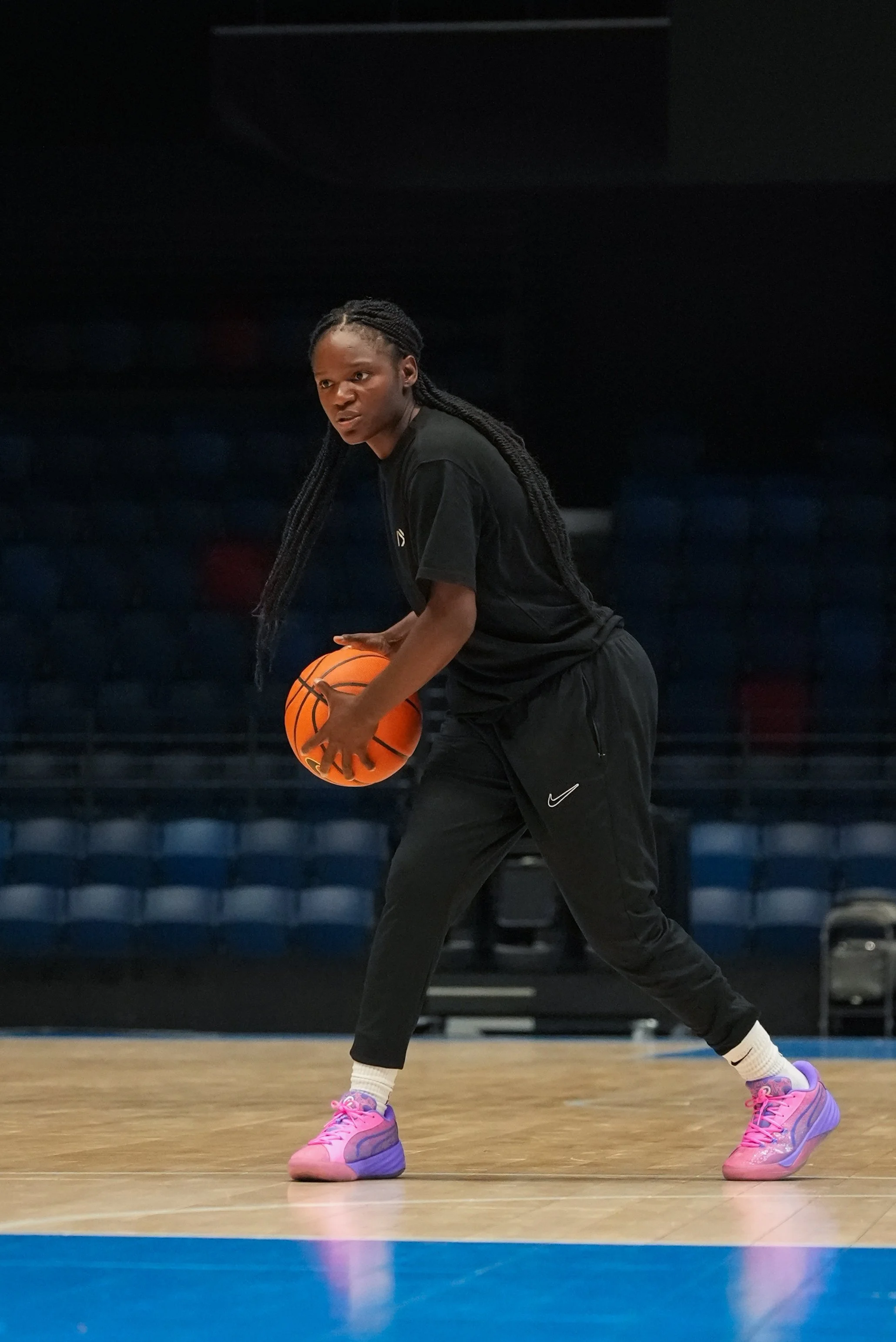
From Congo to Mexico, crossing through stops in the United States, Germany, Poland, France. Born in Africa, raised in Europe, embraced by the Americas. Always a Voyager, once a Player, often a Developer, and a Coach in the making.
Melissa Diawakana’s story is one of its own. It talks about belonging to the world, rather than just a single place. Picking up hoop cultures pretty much everywhere.
This is Single Coverage, a new series by Overseas Magazine dedicated to deep and intimate conversations with lovers of the Game. From the sidelines to the wooden floor, from street courts to the most anticipated stages. Follow the voice.
Interview by Overseas | Cesare Milanti
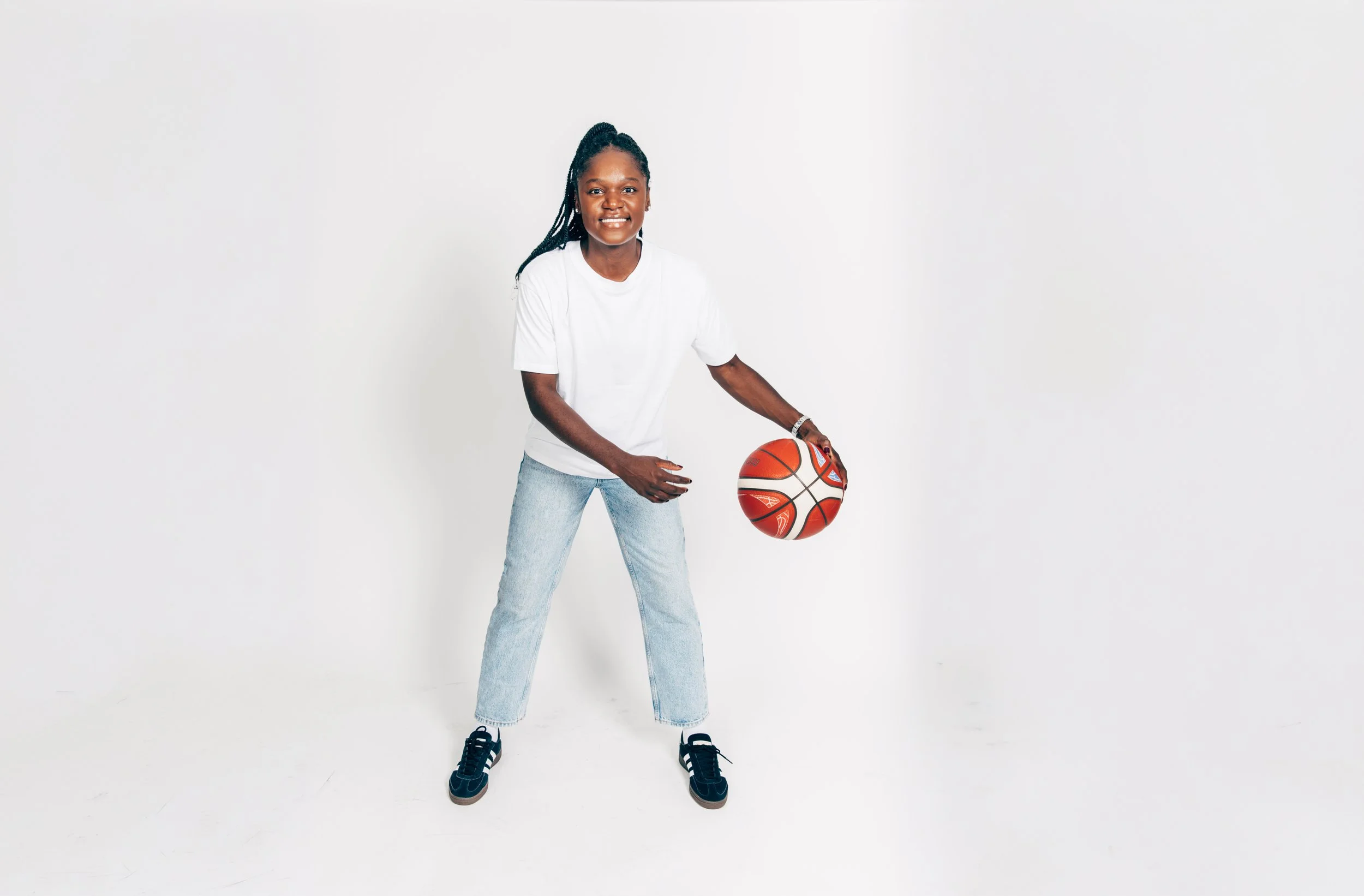
How many paths can a single career take? How many answers could you give when asked, “Who are you?” Usually, just one. At least, that is what modern society dictates: you embark on a specific route, board that train, and land somewhere in life.
Yet basketball resides in every corner, in every tiny pocket of the globe. In every fold of a jersey, in every drop of sweat. And in every decision we take to shape our adventure.
Melissa Diawakana’s journey carries a rare essence: the uniqueness of navigating multiple paths simultaneously as the present unfolds. Born in Kinshasa, she began forging her way in France at six years old, in Champigny-sur-Marne. Anchorless, until the hoop appeared.
“When I got to Europe, with everything being taken away from me, basketball became home. That's where I learned everything: what being part of a community, family, life, and education all mean,” Diawakana opened in conversation with Overseas Magazine.
“That’s why I say it was an escape for me. It has always really been the place that allowed me to just be myself. I went into basketball and gave it all. It was kind of everything I had to survive and make it work fine,” she continued, tracing the genesis of her journey.
Growing up in an individualistic society, within a system designed to confine each person to a singular way of living, she leaned toward unorthodoxy. Spotted by the French federal system, she chose to carve her own trail rather than follow the herd.
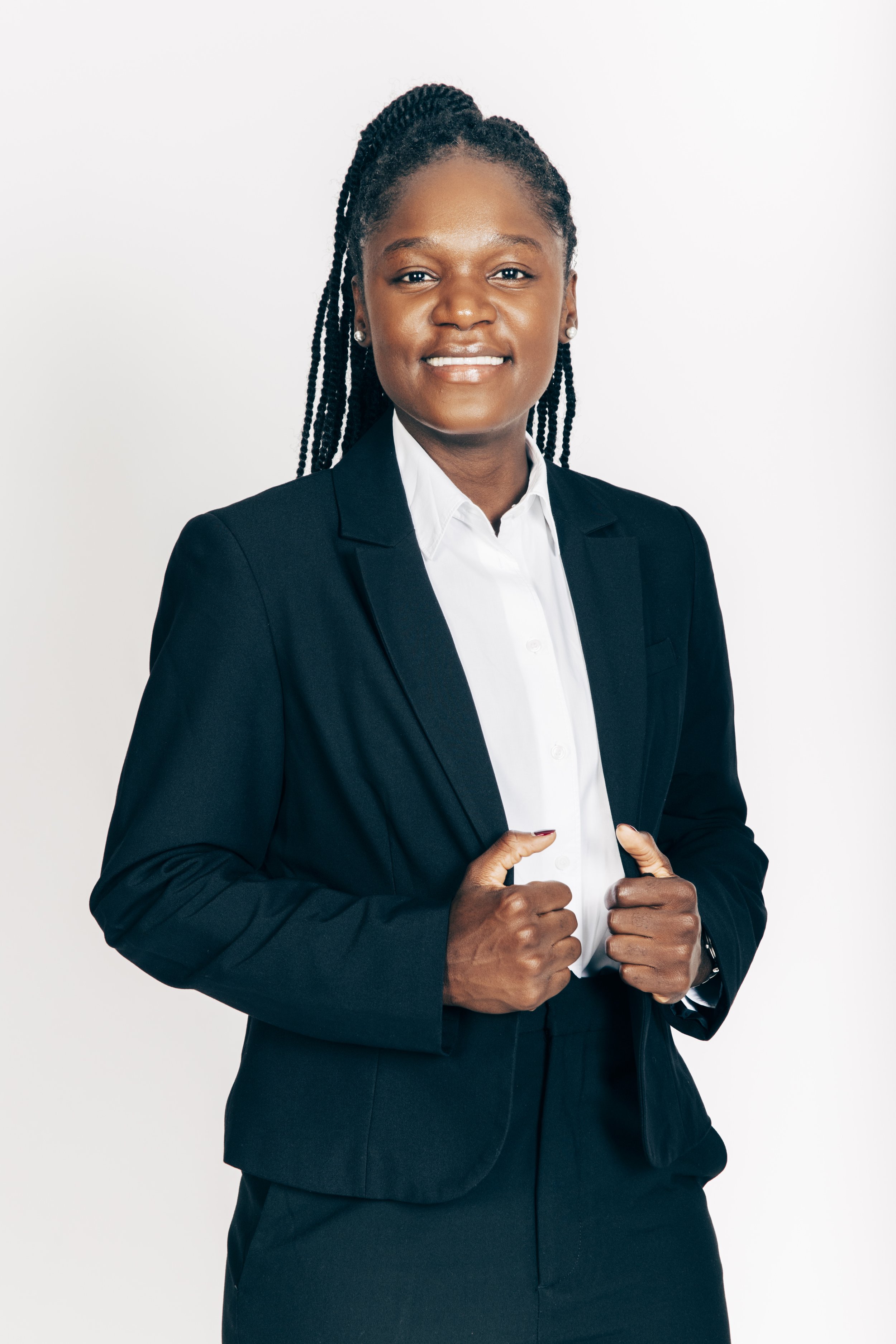
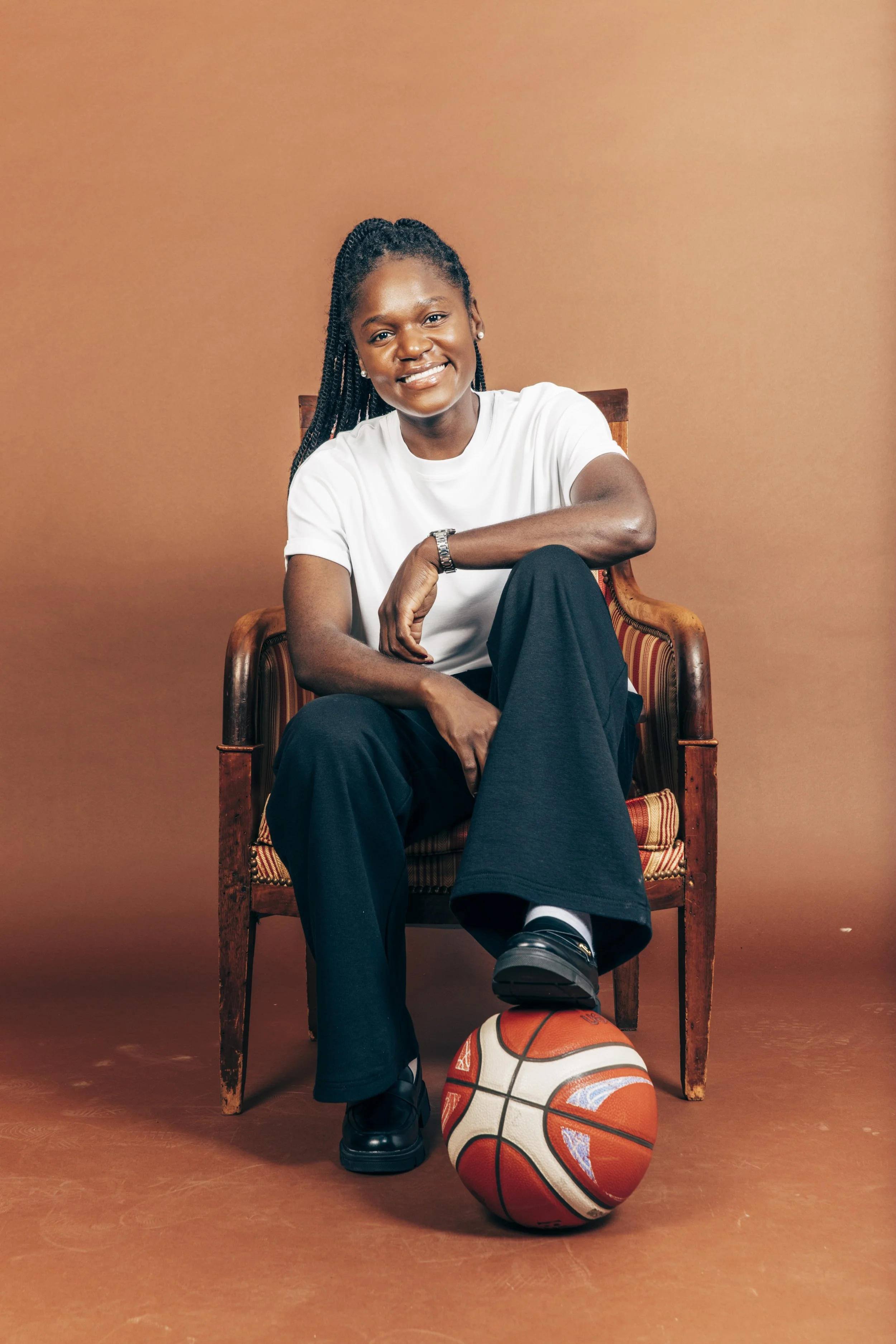
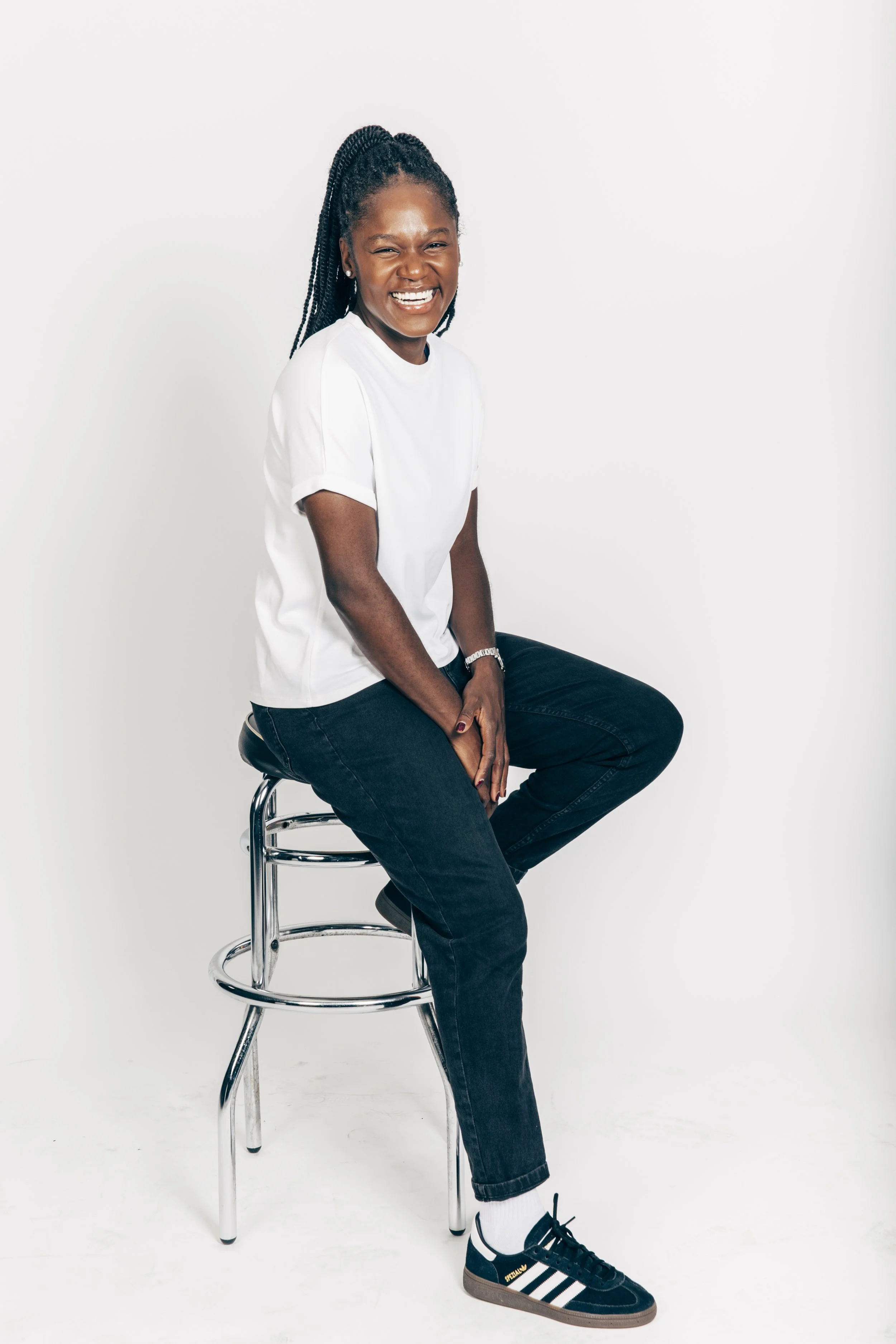
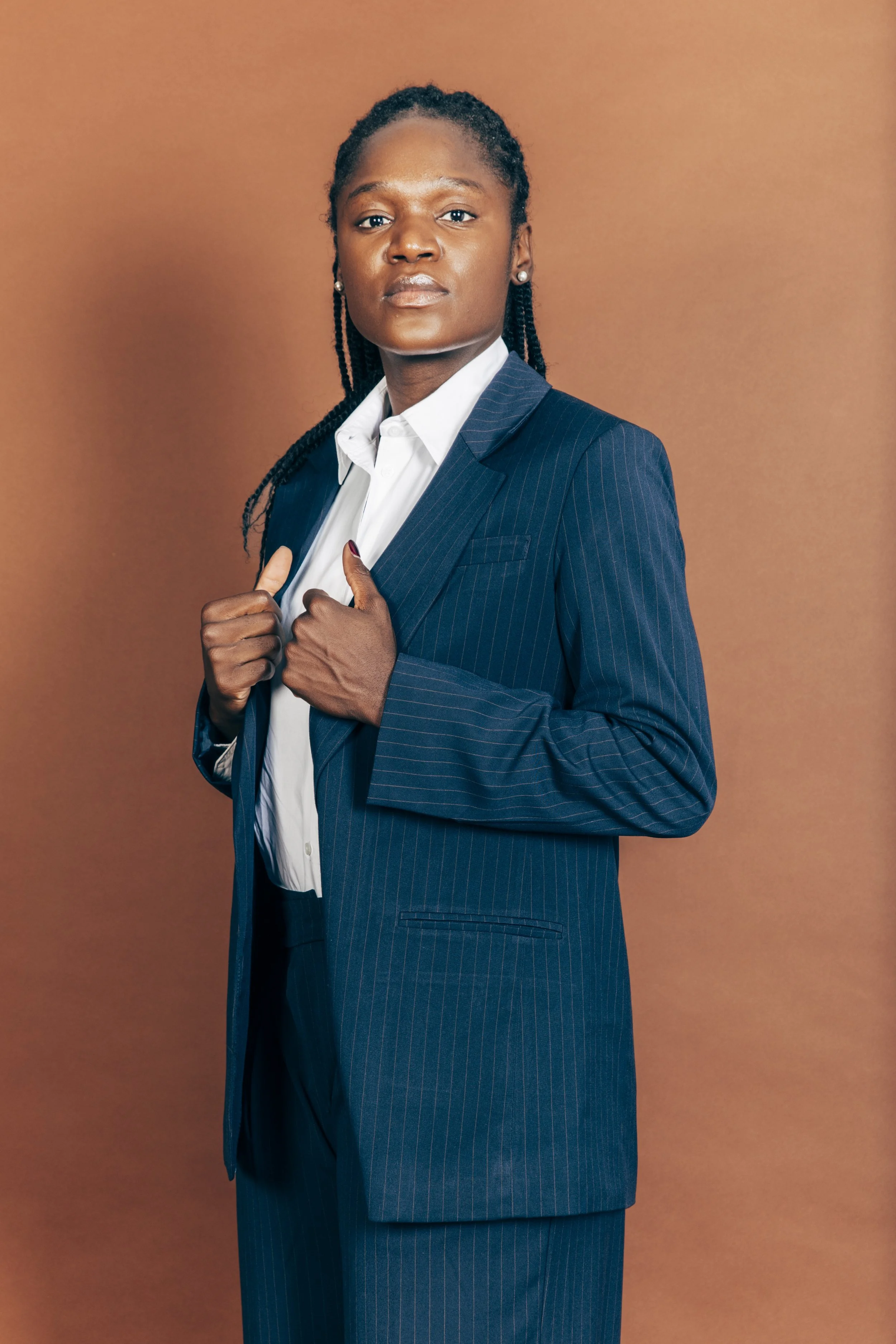
“I was this young girl just trying to make it. I was misunderstood. I had a strong personality and character. They were saying that I was kind of hard to manage,” she recalled.
“When you want to get into the system, the system wants everybody to be the same, right? It's a system, so you have to educate people in a certain way, to make them do certain things. Growing up is about selecting whoever they want to succeed; it’s about fitting in.”
“And I was just not fitting in. When I go back to it, I was just a child who was completely lost. My life changed from one day to another. Without any regrets…”
“If you don't have family, and therefore you don’t have any resources, any of that to help you understand what’s good and what’s bad, what to do and what not to do, eventually you’re making it by your own,” the 34-year-old Congolese native continued.
What proved difficult to reconcile was the pervasive societal belief that everyone must eventually fit into a single box; that everyone has a predefined role. But that feels rather limiting, doesn’t it?
“People describe you without really trying to get to know you deeper, or the reasons behind your decisions. I was there, but I was just not talkative. I had my personality. I believe that you are based on what you’ve been through.” That sentiment would echo again later.
The early seeds of her flourishing career were not sown within the French federal system, but rather in distinct youth academies: Red Star Champigny, US Valenciennes Olympic, SJS Reims, and ESB Villeneuve-d’Ascq-Lille. All before her road began to diverge.
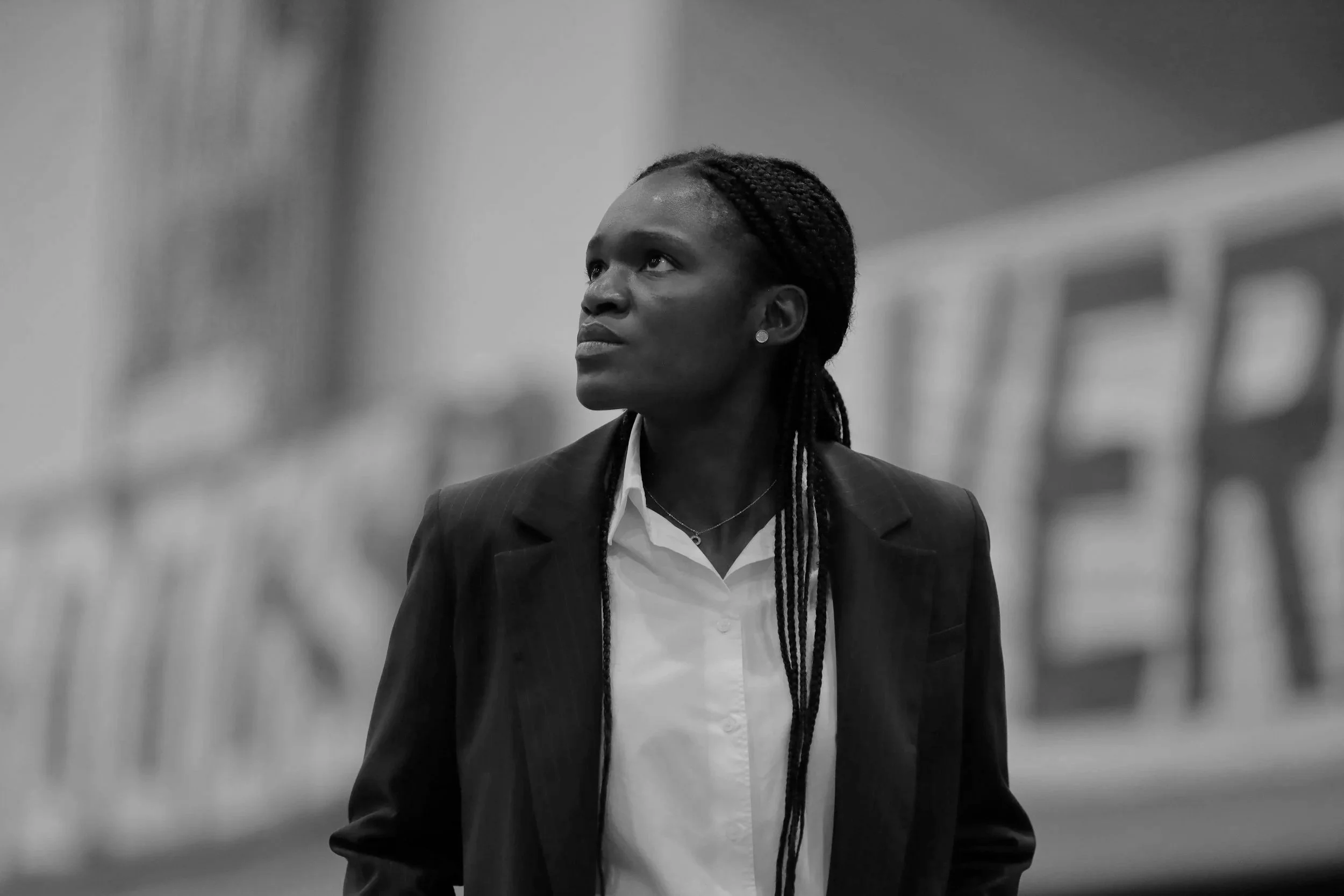
Melissa Diawakana, the Voyager
From the dawn of her senior career, the landscape shifted: initial professional campaigns in France, followed by a passport brimming with stamps from around the globe.
“The first time I went out of France, it wasn’t my will. I didn’t really have many choices. But from that moment on, I told myself it was God willing. It was a real desire to go abroad, but at first it just happened. Once I experienced it, I never wanted to get back.”
Germany with Oberhausen and Panthers Osnabrück; Great Britain with the Nottingham Wildcats; Mexico with Lobas de Aguascalientes and Mieleras de Guanajuato.
Then Slovakia with MBK Ružomberok, Poland with Energa Toruń, Belgium with Castors de Braine, Israel with Elitzur Holon and Petah Tikva, and Iceland with Tindastóll.
“Once I had that first opportunity, I realized something: playing abroad is all about you. You can’t cheat. You are the foreigner, and you have to perform in a different manner. You need to be you and be good. Otherwise, they would just part ways with you; they’re going to cut you because they don’t have time to waste,” she noted candidly.
“I’m a French player, so I’ll always have the opportunity to play in France if the right circumstances come together, right? I could always play at home, but that’s a comfort zone,” she reflected, referencing brief returns home with Cavigal de Nice and Villeneuve d’Ascq.
“Travelling the world for more than 10 years, it’s what drives me. I will never have a problem with somebody playing for 10 or 20 years in the same place, in just one country.”
“But life is too short for me. If this job allows me to go discovering the world and perform at a high level, why not? I understood that basketball is everywhere. I can be and play in many different places. I’ve always been curious about the world,” she proudly affirmed.
Appearances in EuroLeague and EuroCup Women. Lands of ice and fire, a spectrum of climates reminiscent of Jules Verne’s notable narratives. Trophies in Belgium, France, and Mexico. MVP honors in Mexico, top scorer in Slovakia. A piece of everything.
Melissa Diawakana, as one of her former coaches in Val-de-Marne, François Gomez, put it, is “an adventurer,” and far more. She is a traveller, an Overseaser through and through.
“If there’s one thing that I’m really proud of is not being afraid, at my young age, to have travelled the world. And that’s a privilege: having the blessing of travelling the world, seeing one country after another, getting to know people and culture, is extraordinary.”
“Traveling also opened my eyes to understanding the Game on so many different levels. Basketball in France is different from basketball in the Balkans,” she said.
“It’s different in the US and in the UK, in Poland, or in Mexico. Mentality, culture, approach-wise. You meet so many different coaches with many ways of thinking about the Game. It opens your mind because you soon realize there’s not only one single way to succeed.”
“Discipline and commitment remain the keys to progress, but each and every single person in basketball has their own philosophy of putting the tools and resources together. No matter where you are, the effort and dedication are the things that never really change. That helped me a lot in opening up my vision about the Game,” Diawakana continued.
“But also about life in general. It builds you up to understand that states of mind are just false until you see things with your own eyes. Travelling the world helps you make your own opinion. About everything surrounding you.” It sustained her throughout the journey.
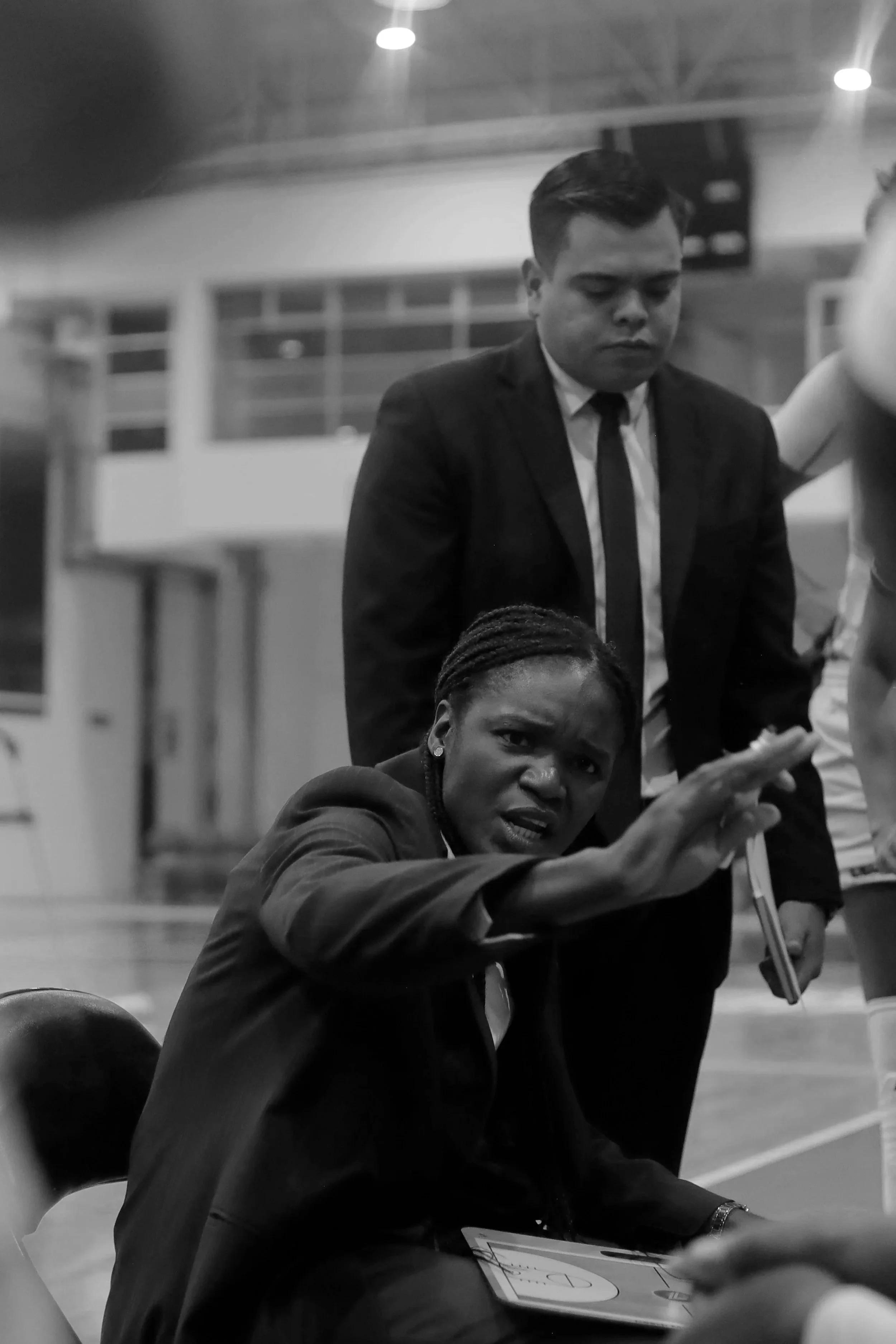
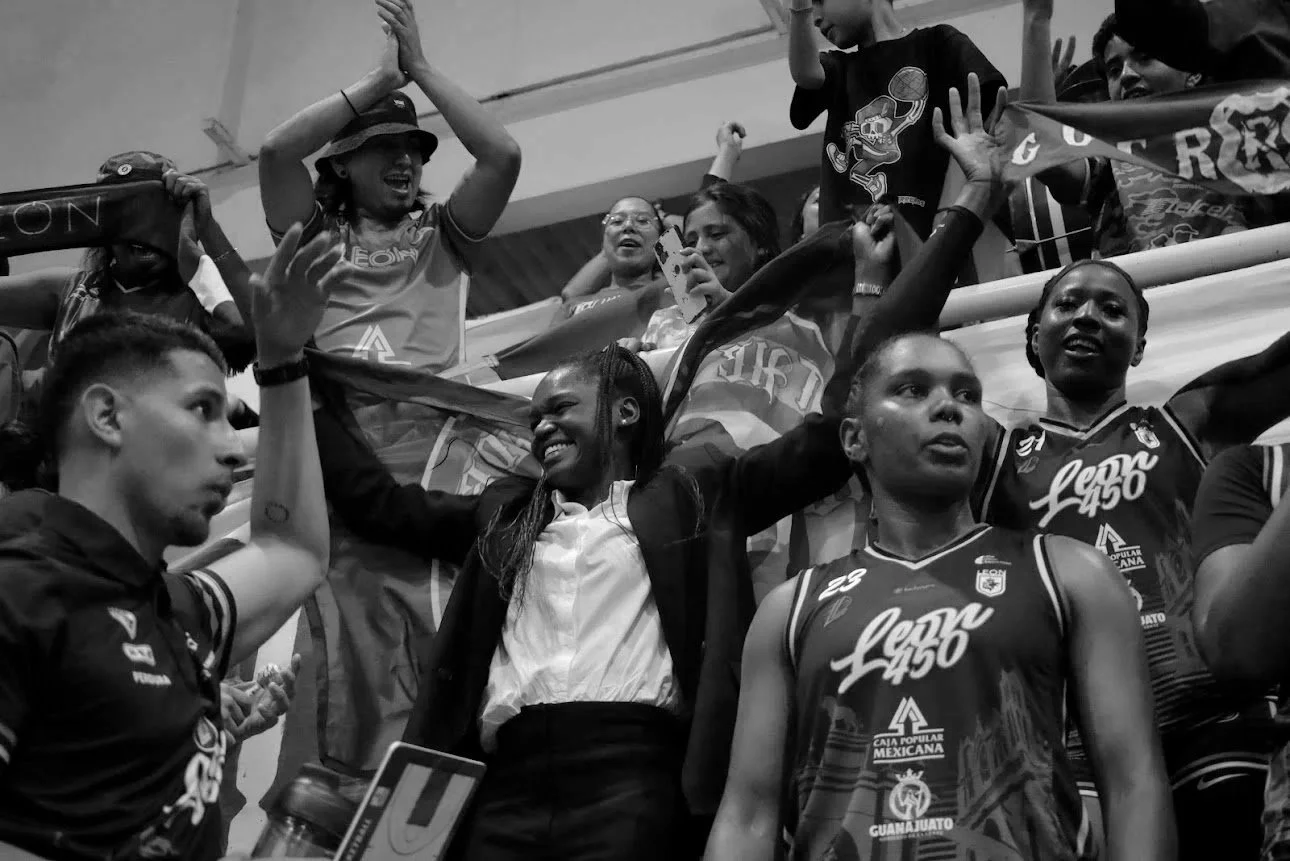
Melissa Diawakana, the Developer
As her career evolved and an early dream was set aside - that of becoming a comedian following in the footsteps of Jamel Debbouze or Gad Elmaleh - a new path took shape. Beyond being a teammate, she emerged as a catalyst on the coaching front.
It all sparked at one of her European stops. When circumstances took a difficult turn in Toruń, Poland, she uncovered light at the end of the tunnel.
That was when she began training individually alongside her teammate, Irish-Australian Alice Kunek. It proved to be living proof of a new, unconventional venture. If she could add value to one teammate, she could extend those methods to other athletes as well.
The roster soon filled with high-profile names: Serge Ibaka, DeWanna Bonner, Sidy Cissoko, Yves Missi, Janelle Salaün, Alpha Diallo... and the list continues to expand.
It is in this space that her background resurfaced. She began approaching players and clients with a perspective contrasting the way she had once been overlooked, misunderstood, and shoehorned into uncomfortable boxes.
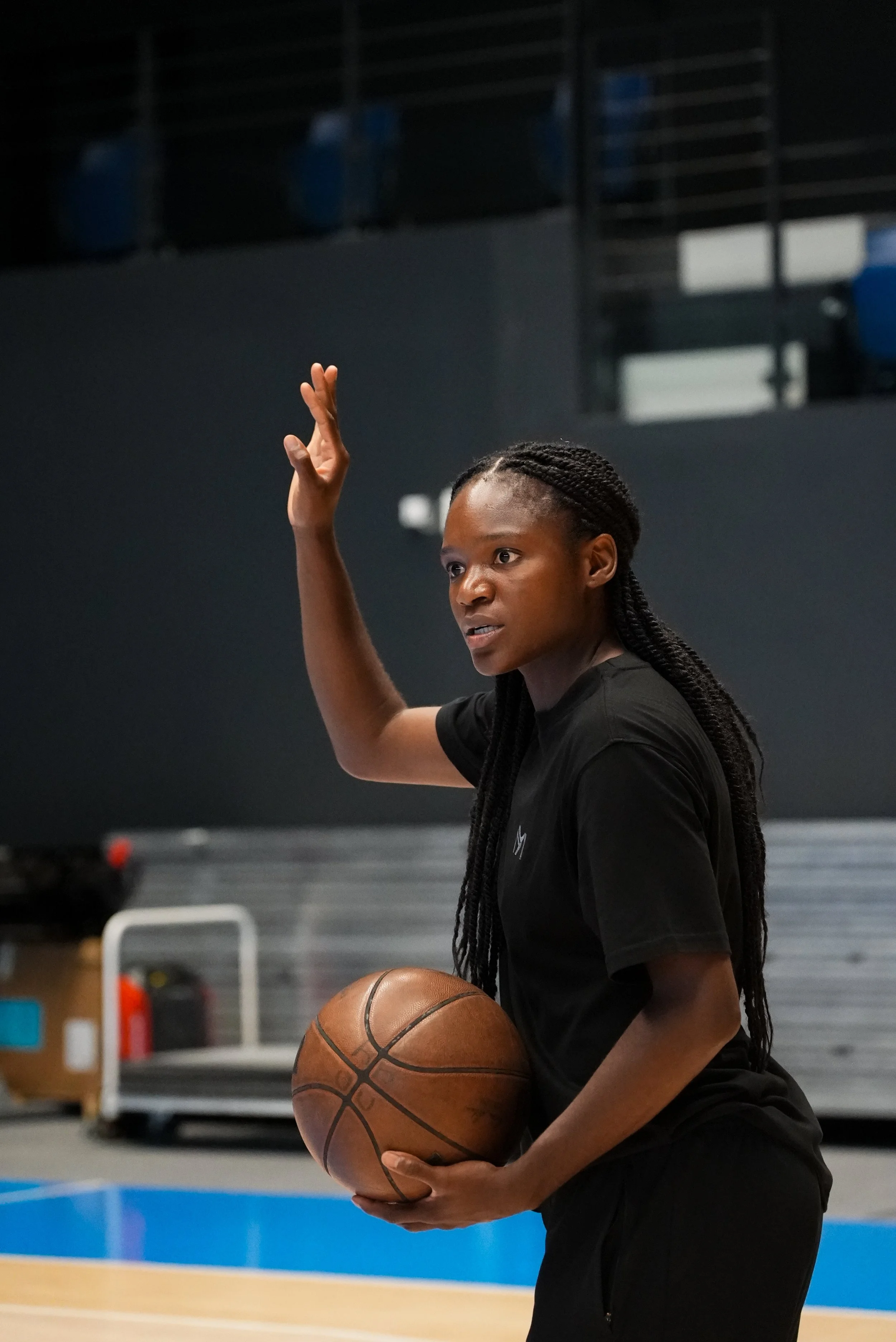
“Being a coach is beyond what people sometimes can describe. You have to manage people. And how can you succeed in it if you don’t have the passion of getting to know them? If I want the best from you, I will have to get at least a little bit to get to know you,” she said.
“I don’t take into account only the player, beyond what I just see or what I just hear. When I have to work with a player, I try to get to know a little more about them. If I want to get the most and the best from you, I have to know your background, who you are.”
“By understanding who you are and where you come from, I can figure out somehow your way of acting and doing certain things. Instead of going to you and going crazy on you, knowing your background, knowing who you want, I will know better,” Diawakana continued.
“My story helped me a lot because people were not doing that with me. They didn’t want to try to get to know me. It was hard for me to open up myself. It was really frustrating.”
The past resurfaced, offering Melissa Diawakana the clarity to design a different trajectory; a distinct philosophy inside the gym. Word of mouth carries real weight only when built upon clear, genuine communication.
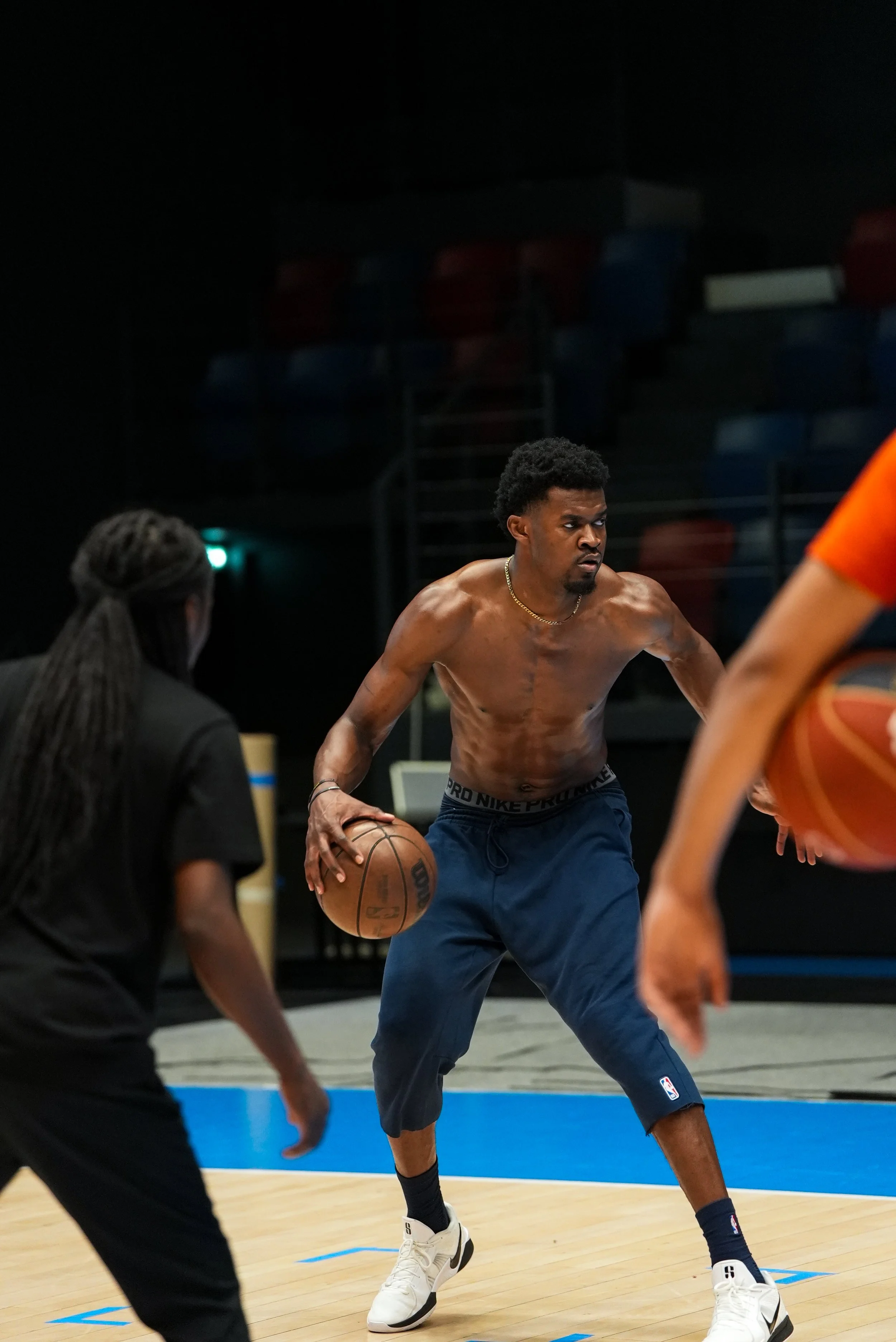
“You have to take men and women completely differently. When I have NBA players coming to the gym, it’s about earning the room,” she affirmed regarding those high-stakes environments.
“Most of them don’t know me, and all of a sudden, they see a little tiny woman very sure about what she’s about to do. They don't really know what they're going to get, but I'm always prepared. I don't have to pretend, or I don't have to play any roles.”
“I don't even have to make any effort to earn the room. Once you step in, well, you’ve come here for a reason. We have to put the work in and let's go,” Diawakana added.
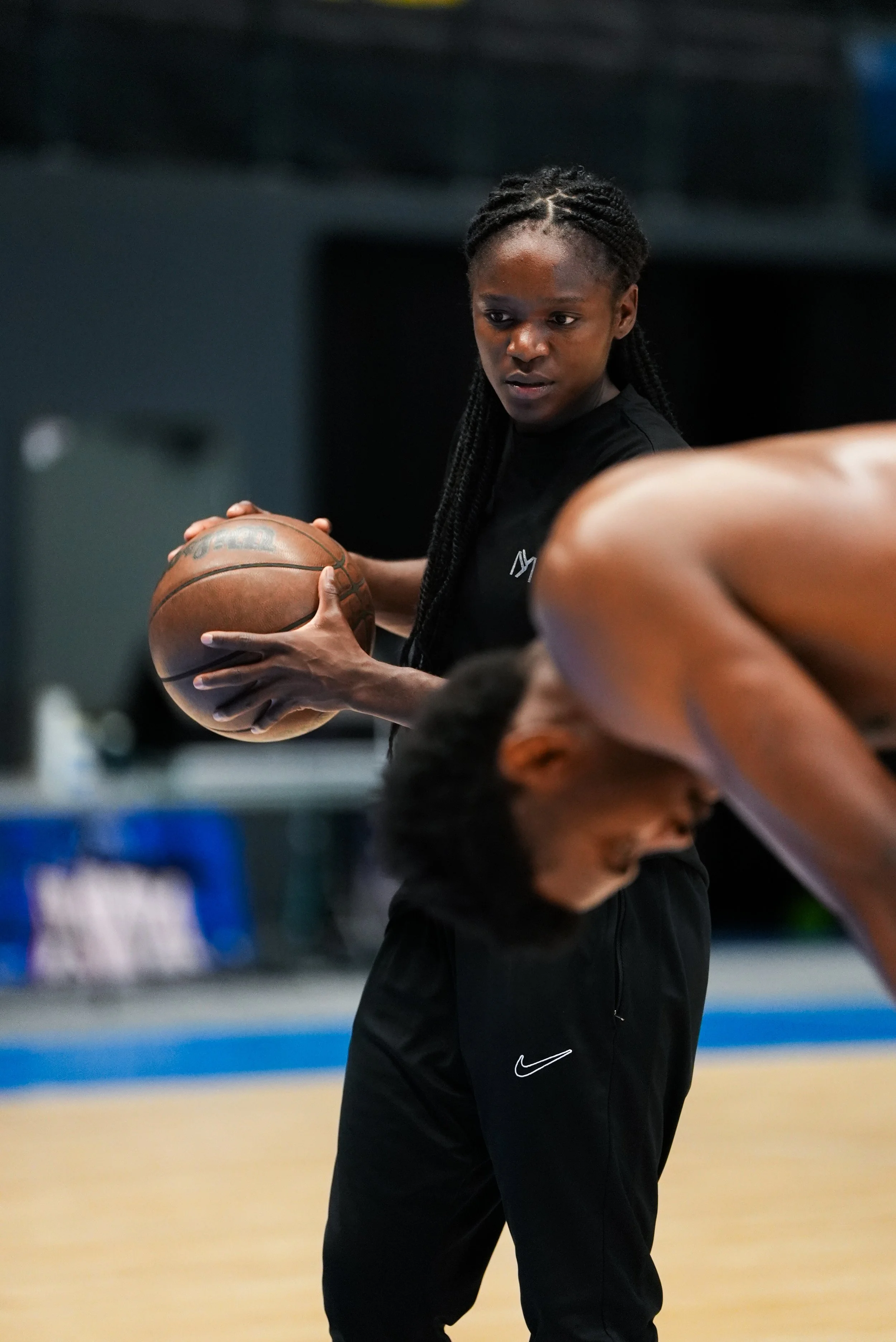
It is not merely a matter of diving into work the moment she steps onto the hardwood with a client; it is also about anticipating what each athlete uniquely requires. It is an intentional scouting process.
“I really work for it. Players know what they want, and most of the time I know exactly why they are coming to me. Half of the time is me targeting the people I really want to work with. It's about seeing a player, his or her potential. It’s a scouting process.”
“Most of the time it’s about opportunities and expanding the network. There might be people mentioning me. But I mostly travel, reach the players directly, or go to their agent. Sometimes it’s about their stories, their background. My feelings about it.”
“It’s about knowing who you are, what you can provide, and the confidence we have installed in each other. You come for a service, and I'm here to provide a service. I'm just me. When you step in, I'm going to take care of you. That's what I do,” she stated.
From player to individual skill development trainer, from speaker at sports and leadership conferences to an entirely new role: a fresh adventure in familiar landscapes.
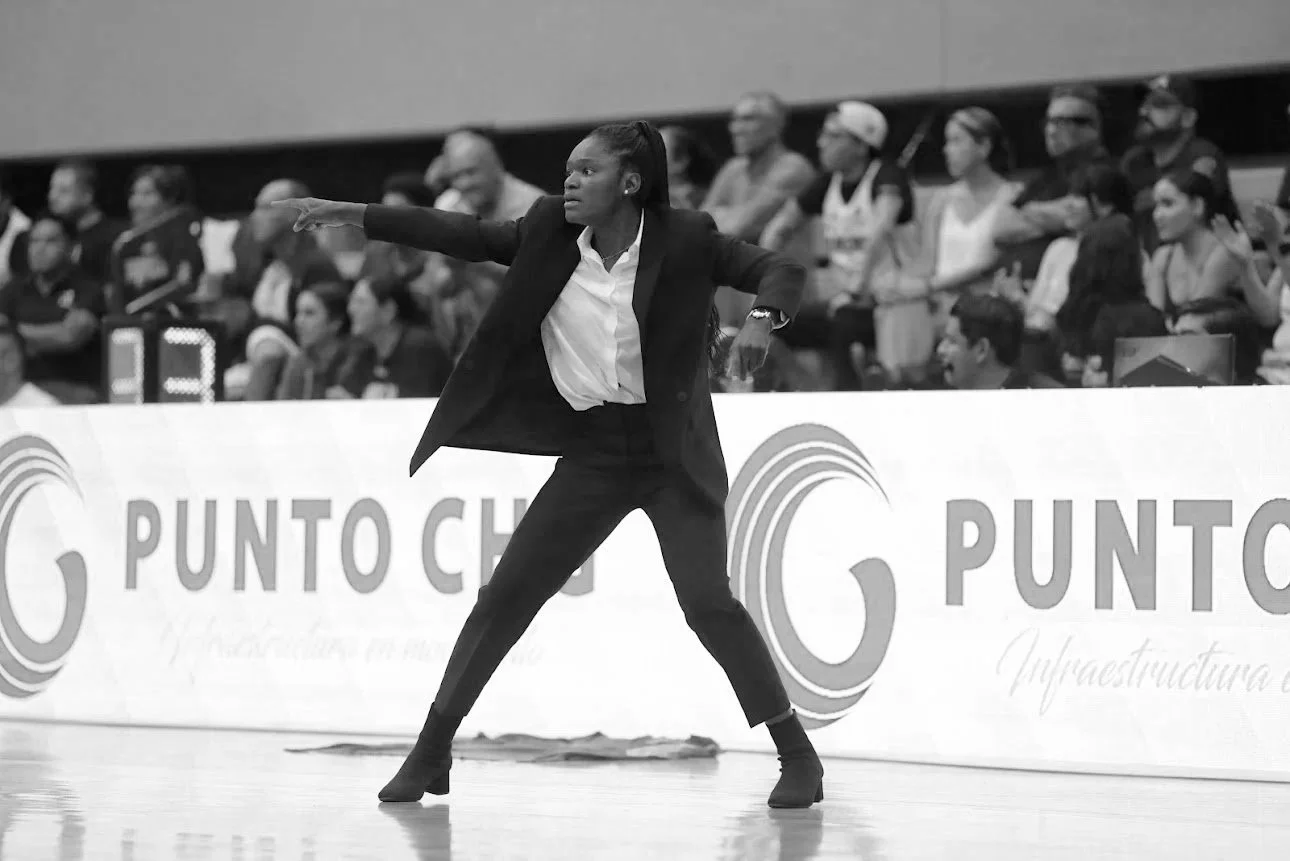
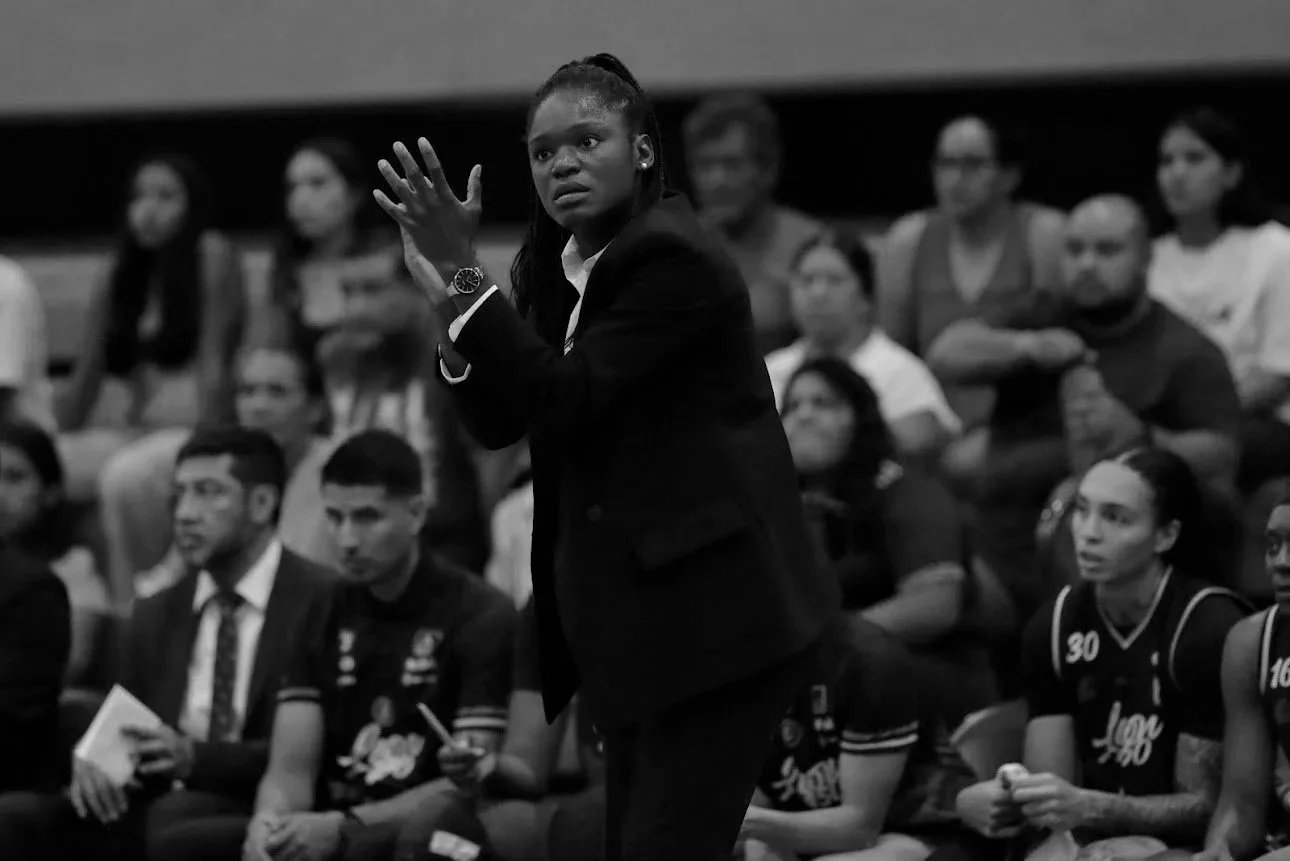
Melissa Diawakana, the Coach
As noted, Melissa Diawakana had already set foot in Mexico twice during her playing career over two summers with two distinct clubs: Lobas de Aguascalientes in 2017, where she was crowned Champion and MVP, and Mieleras de Guanajuato in 2021.
“Mexico was one of the most beautiful experiences that I've had. First of all, I didn't even know basketball was that big in Mexico. The first time I've been there, it was just crazy because I discovered that basketball is really everywhere and I loved it,” she recalled.
“What surprised me the most was definitely the culture: people really love basketball, and they bring everything together. Gyms are always full, games are what everybody would expect from a culture gathering in Mexico: it’s sunny, it’s hot, it’s different.”
“Then, I discovered the high level there. They’re absolutely professional. More than the majority of teams I’ve been part of and faced in Europe,” Diawakana added.
“The staff is full of people treating you differently: you have doctors and physios in practice. One, two, three physios, every practice, travelling together and taking care of players. Moreover, gyms are not only packed, but they are big too.”
Following those two playing chapters, another call came from Mexico. This time, however, for the sideline. Abejas de León enlisted her leadership, offering Diawakana her inaugural head coaching role for the 2025–26 LNBP Femenil season.
“I was really surprised when they called me to become head coach. You can see and feel love there. Some years had passed since I left the country, so it shows how faithful they were. I keep living my life, but when I got this call back, I was really surprised,” she recalled.
“Being the first black woman head coach as a foreigner in the Mexican league was a blessing. I really have to thank Leon, because it’s not something small at all. Being able to have that kind of trust and being brought in without fear and hesitation was big time for me.”
Following the conclusion of this Mexican tenure in May and a summer dedicated to intensive player development sessions worldwide, it was time for another flight. Destination? Berlin, but not for the FIBA Women’s Basketball World Cup.
She was selected by Masai Ujiri to lead a squad of young African prospects representing Giants of Africa at the Next Up tournament, organized by adidas and ALBA Berlin.
These young athletes, from Nigeria, Senegal, Tanzania, Ethiopia, and Gabon, represent the future of women’s basketball in Africa. At the helm stood a Congolese-born coach raised in France, bringing an expansive basketball perspective shaped by hundreds of journeys.
“I really embrace and cherish those moments because they remind me of how it all started for me. Having been in their shoes myself, I can see where they are and imagine all the possibilities ahead of them, the journey, the challenges,” she said.
“For these young players, experience basketball around the world is huge. It gives them the opportunity to be seen, to compete, to perform, and to show what they are capable of. It’s really important for their development and for the future of basketball in Africa.”
“As coaches, we sometimes represent much more than we can ever imagine. Young athletes don’t just see a coach. They can see a role model, a reference, someone who can influence the way they think, behave, and see themselves. As a coach, I always have to remember that it’s not about me anymore. It’s about them,” Diawakana affirmed.
“Being around these young players, I feel like they teach me more than I teach them. And I think this experience in Berlin reminded me of why I coach in the first place, and what kind of coach and person I want to be. They taught me to stay open to learning, as if I’m just starting. To keep enjoying the game as if I haven’t made it yet,” she reflected.
It has been a remarkable journey for Melissa Diawakana. Perhaps, an extraordinary one. Yet it remains far from complete. In what form the next chapter unfolds remains to be seen.
“As a society, we want people to choose one single path. But since I’m young, I’ve always felt I wanted to first have freedom. The freedom of becoming who I want to become. That’s the best thing that can happen to everybody,” she continued.
“When you realize you have different skills, it doesn’t make sense to identify and put yourself just in one box. Life is short, no matter what you’re doing. One has to explore a lot, look for happiness, and then find his or her way. Every day I wake up, I can reinvent myself.”
“I’m talking as a coach on Monday, but I can be something else on Tuesday. I had the skills to be a player, but can I play all my life? Of course not. I have to think about the future.”
“Can I be a coach for all my life? Can I be a speaker? Can I be something completely different? Who knows. Go for it, live your life, enjoy, experiment. That’s how you grow. I love to see myself being able to renew, and doing it freely,” she concluded.
Diawakana the player, the skill developer, the coach, the speaker, the award-winner. Melissa the comedian in another life. Melissa growing up with the hoop as her constant compass.
“It’s been amazing. I wish I could do it all over again. But I’m definitely not done yet, as I still have a lot to do. It’s only the beginning of the journey, and it’s been a blessing.” Sometimes, basketball invites us to look outside the box. Break the patterns; follow the hoop.