A blink of an eye. Stasis within motion. Motion within stasis. The Game, and everything touched by it, unfolds through sequences of plays: clicks that hold it all. Contained transitions. Actions meet reactions. Realities become impressions. Liminal zones, held and disclosed by basketball. Within the instant, rhythms flow. Where a drive goes, where a life goes. Every frame is a read: a scouting report in which every detail is recognizable, while the defining figure and its path remain to be deciphered.
Hang Time is our study of these suspended moments, told through those who compose them. Shooters. Visual poets with distinctive practices and a shared pursuit, articulated by Andrew D. Bernstein at its most elemental: in photography, the main goal is to elicit a response from the viewer.
Featuring | Alexa Alejandro
Interview by Overseas | Filippo Libenzi
[Overseas] What are your earliest visual memories and feelings connected to basketball?
[Alexa Alejandro] “Basketball has always felt very close to home because my father was the person who first introduced me to the game. Ever since I was a child, I remember him watching NBA games and following the local league here in Puerto Rico. He had always been a basketball fan, and from a very early age he shared that passion with me.
One of the first gifts my parents ever gave me was a basketball. I was that kid who was constantly playing with friends, family, wherever I could. Basketball is incredibly huge in Puerto Rico and growing up, if you wanted to play a sport, there was a good chance you would begin with it.
I remember watching NBA games with my father, going to different courts with friends and sharing all those experiences with him. That was really the beginning.
I tried playing seriously in middle school, and at that point basketball was probably the thing I loved doing most. Then, during high school, I injured my ankle and stopped playing. That was when my life began moving more towards arts. I started pursuing music and exploring different creative things that gradually took me further away from playing basketball myself. I became more of a fan. The game was still important to me, but I was no longer trying to participate in the same way. And eventually, that was also the period when photography entered my life. In a sense, that distance from playing is what eventually led me to pick up a camera and return to basketball from another perspective years later.”
[O] How and why did the Game become part of your photography?
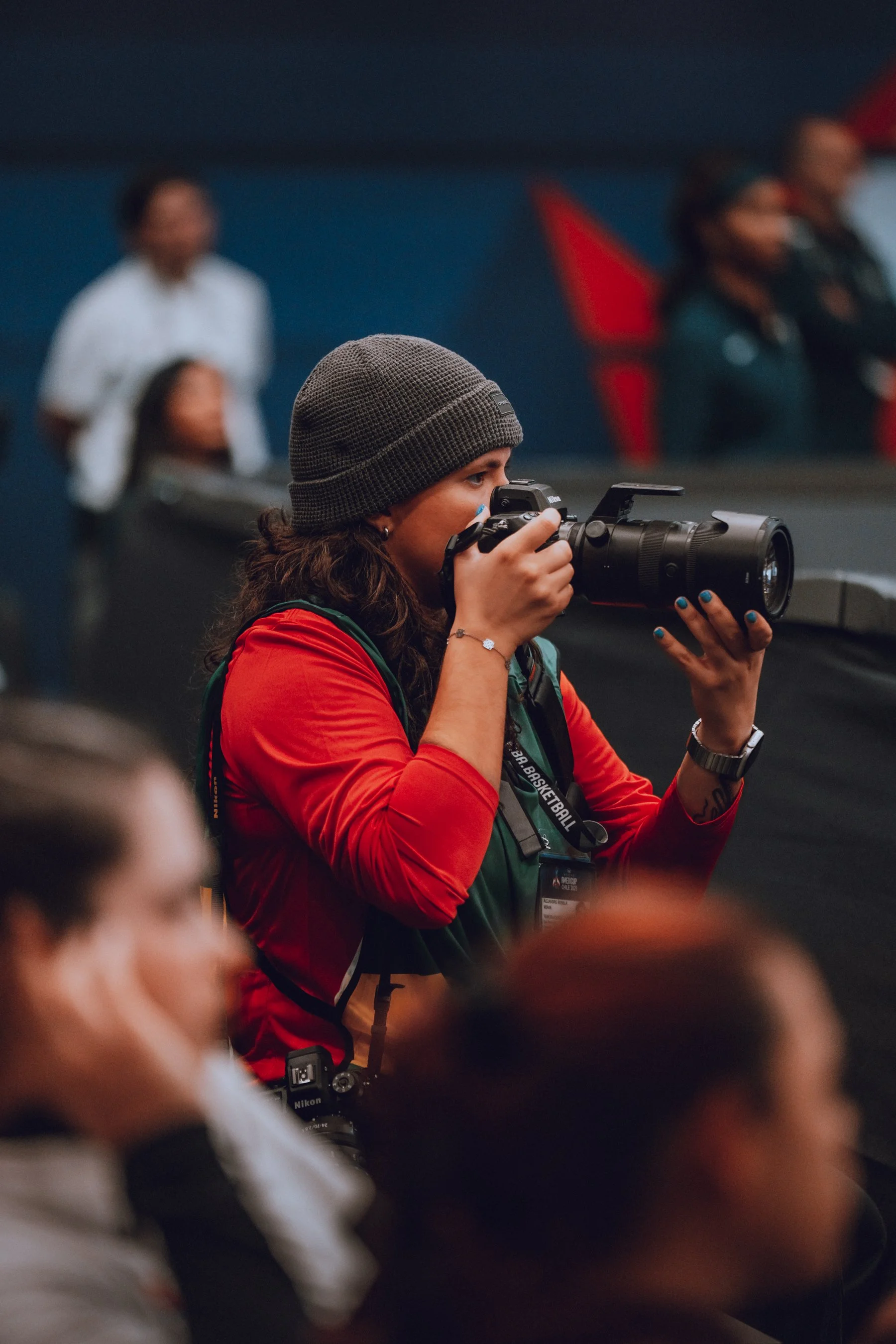
[AA] “For a while, I deliberately stepped away from basketball. It had been such an important part of my childhood that I think I wanted to discover who I was outside of it. I started with music, but eventually I realised that I did not particularly enjoy being in front of people. I did not want to sing or perform in front of an audience. I would rather be somewhere in the background. That is when I discovered photography. I originally bought my first camera simply as a hobby, mainly to document music and my own journey as a musician at the time. But once I began taking photographs, I fell completely in love with it. At first, I worked in commercial and event photography. There was nothing remotely close to sports photography in what I was doing. Then, at some point, I decided I wanted to try it.
I did not see sports photography as a career yet. I simply loved basketball so much that I wanted to find out what would happen if I brought the two things together. I was still following the game closely. I had my favourite WNBA team, I followed the Puerto Rican national team. Basketball continued pulling me back, while photography was becoming this new language I was learning.
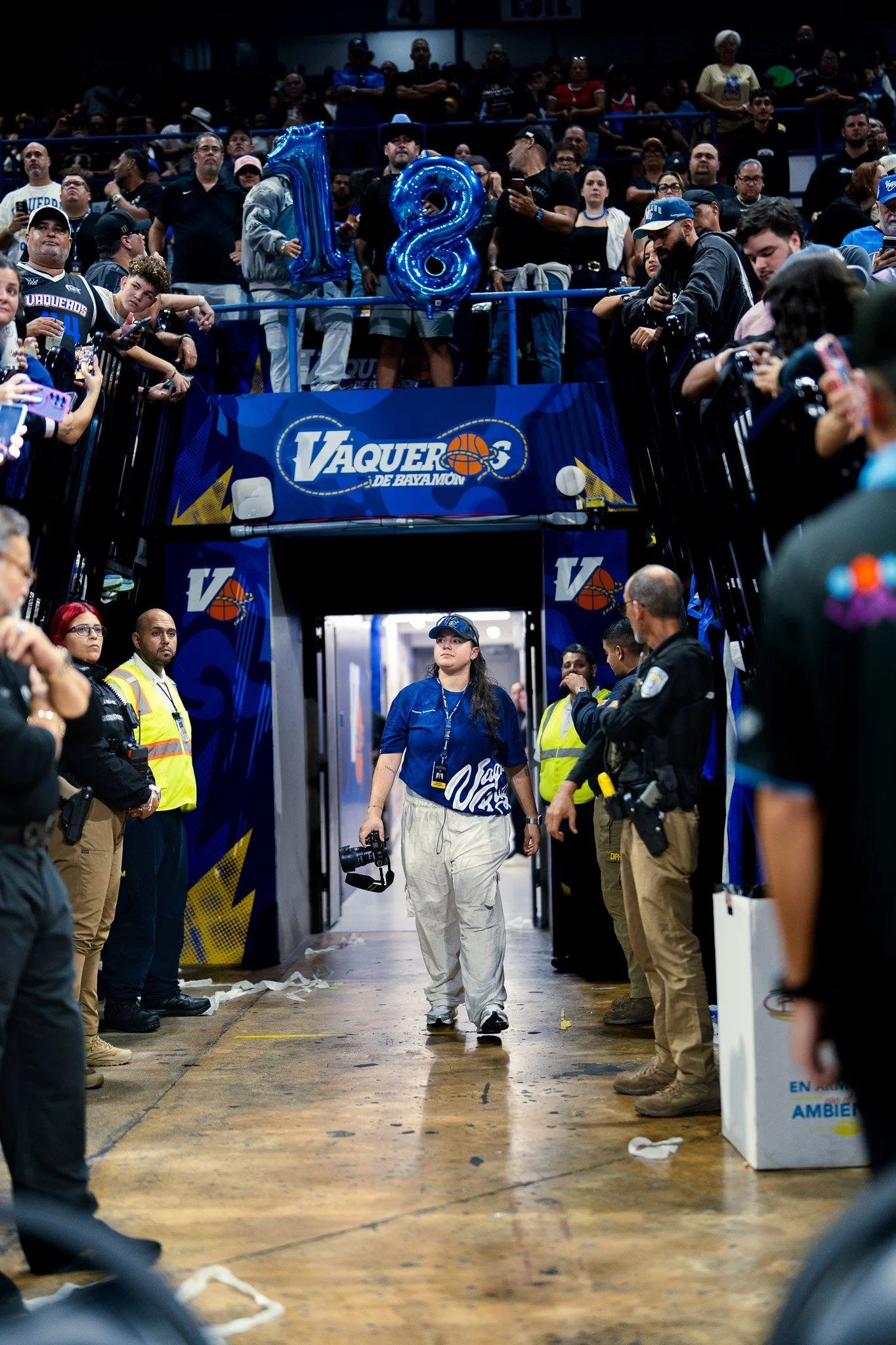
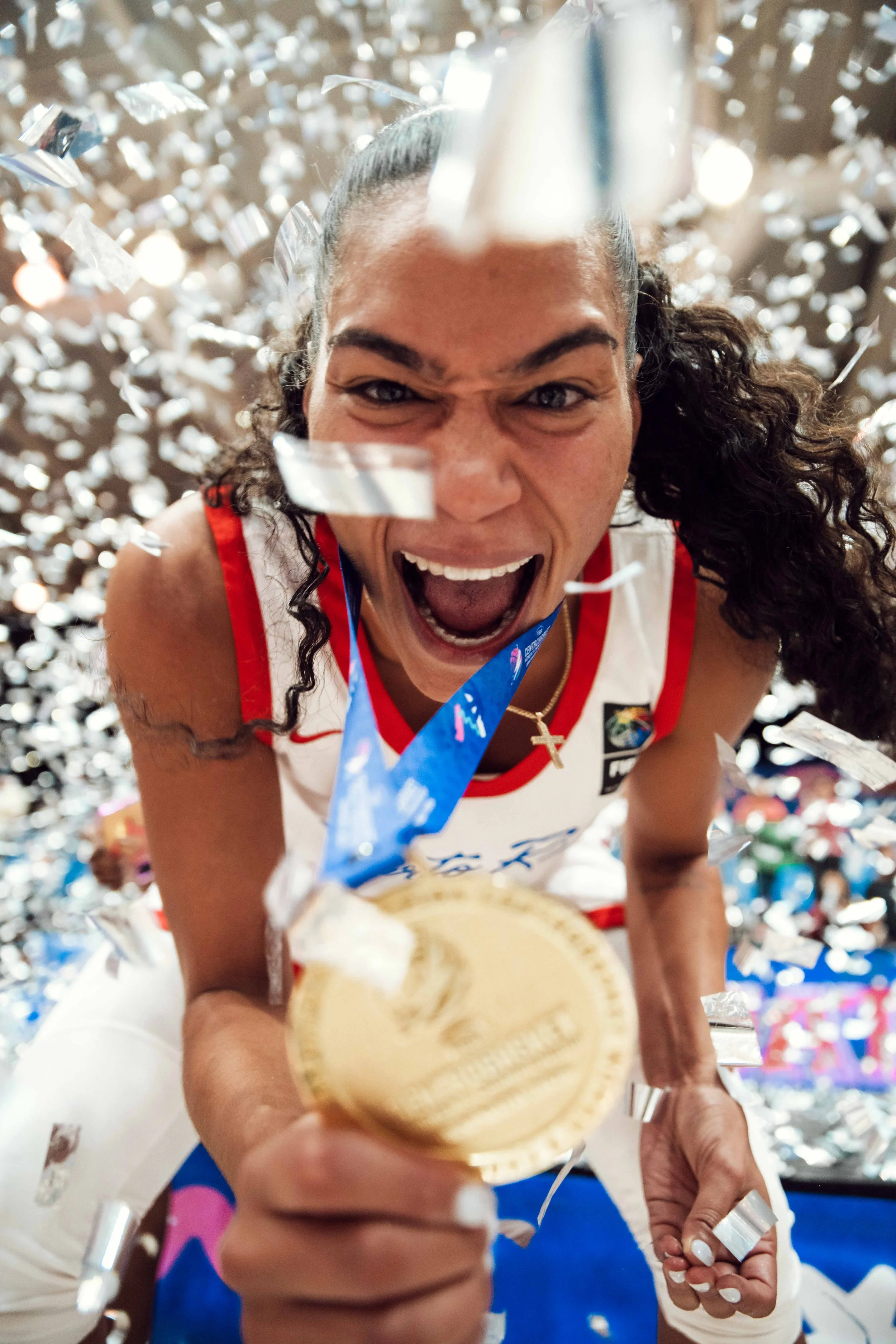
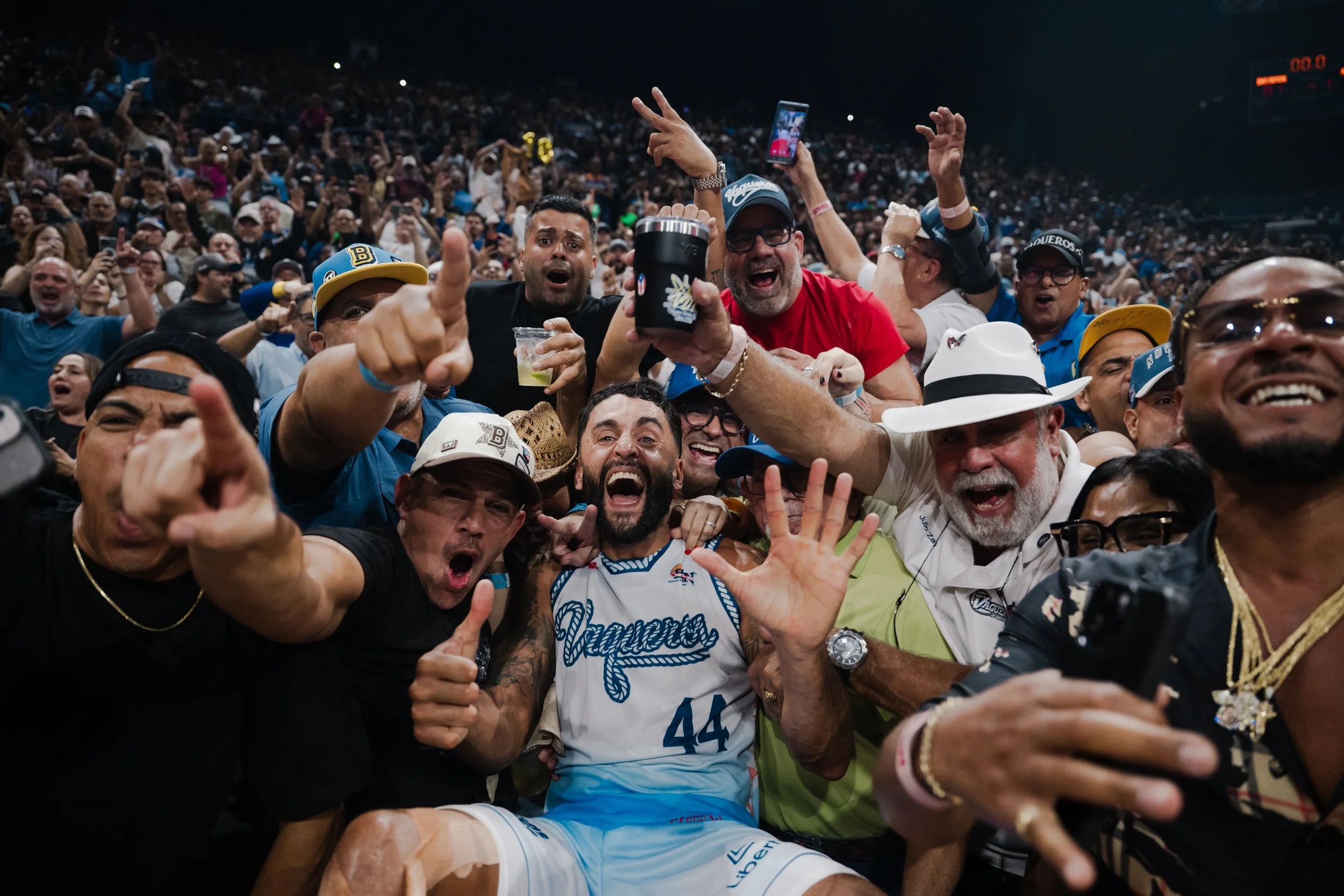
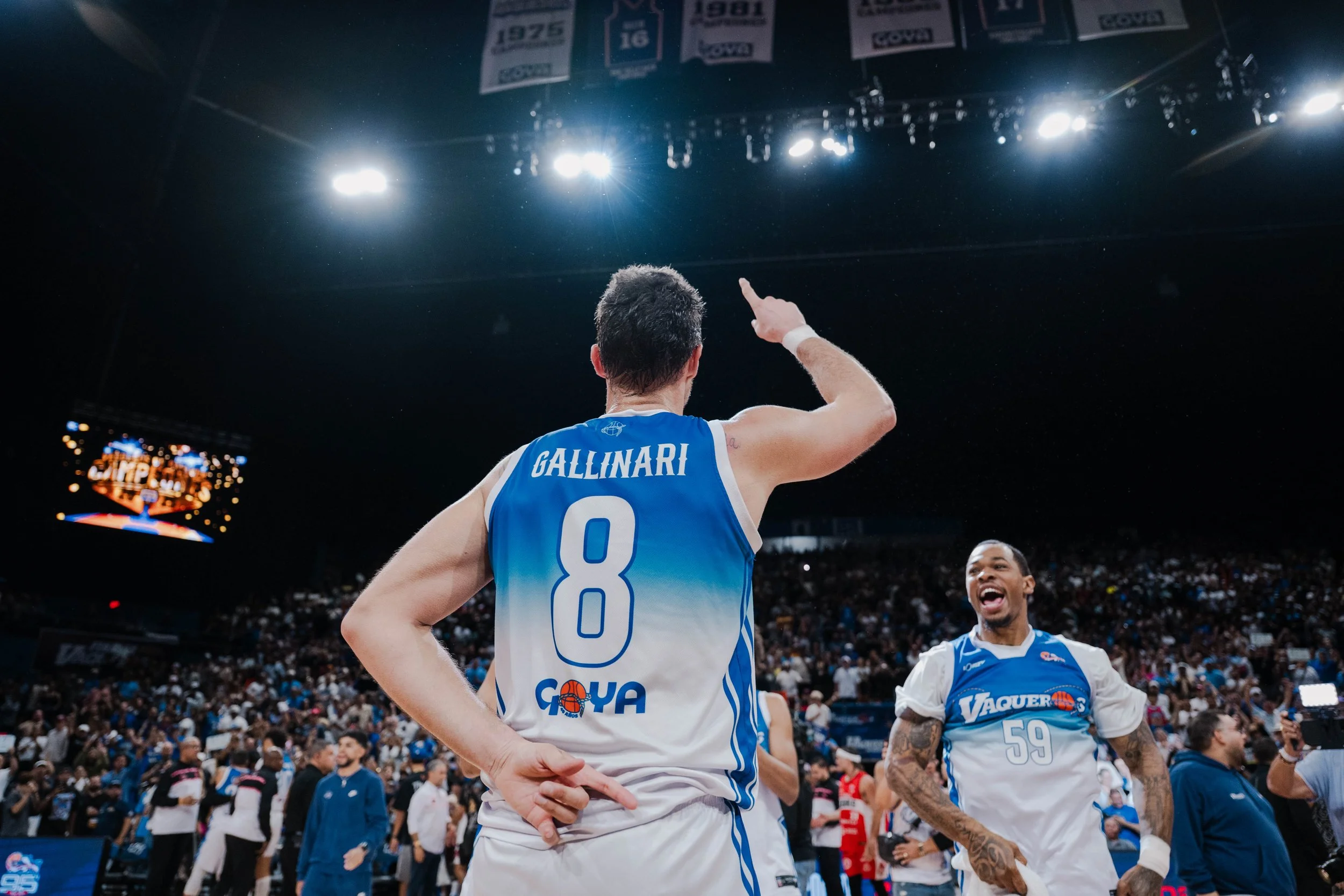
Around 2019, I finally decided to combine them. Getting access to basketball was difficult because our local league requires press credentials to photograph games. So I started with my friends. I would ask them to dribble, shoot, move around the court, and I would use those sessions simply to practise. I tried to understand timing, movement and how sports photography worked. Then, after a few years, I began reaching out to people within the league. I just wanted the opportunity to learn and I needed access. They were kind enough to allow me into a few games. That was when I photographed my first professional basketball game, in 2021. And that game was particularly meaningful because it took place on the same court where my parents used to take me as a child to support the local team, the Vaqueros de Bayamon. I was suddenly standing there with a camera, in a place connected to some of my earliest memories of basketball. It was incredibly emotional.
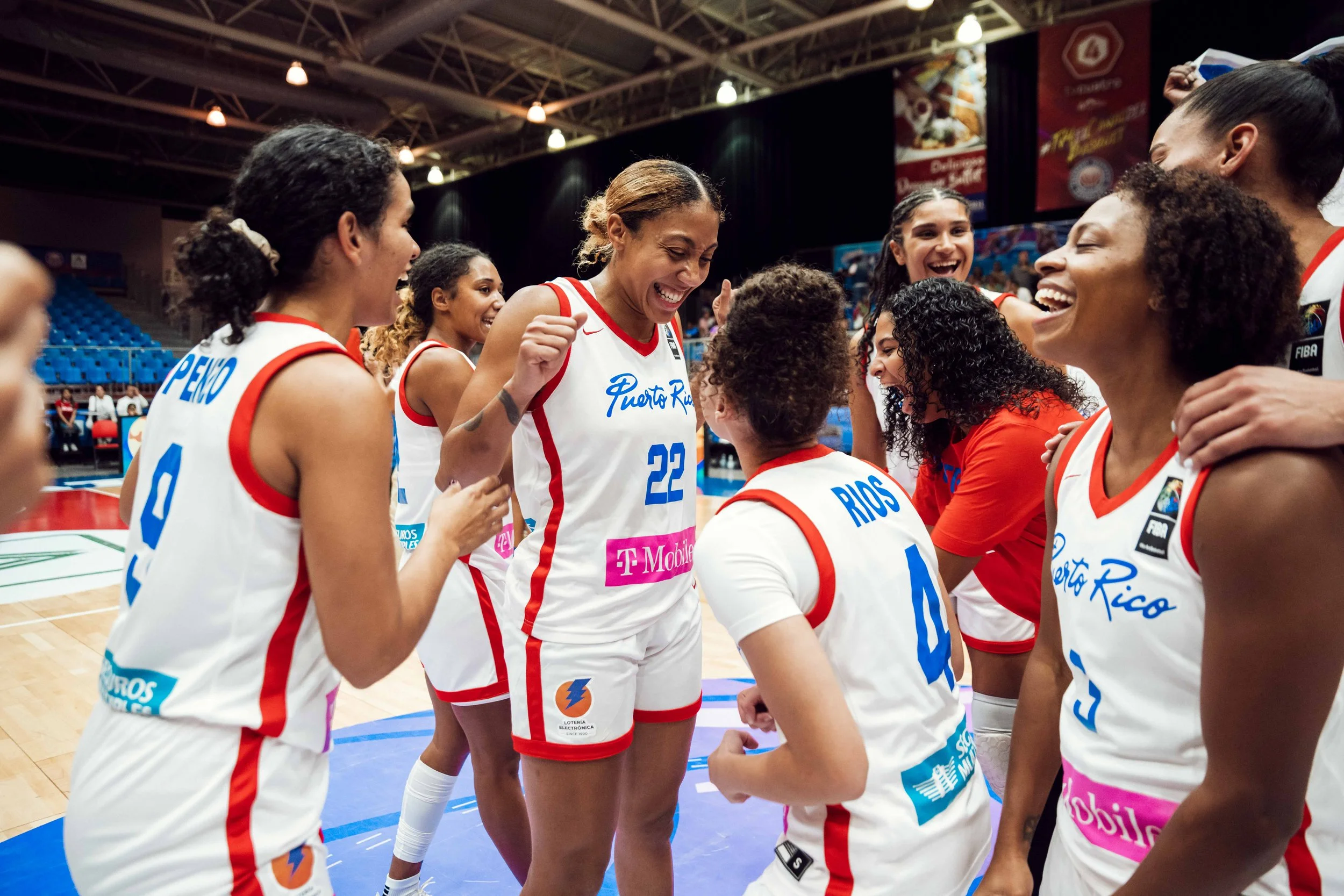
Later, I reached out to FIBA Americas through social media because they had a tournament taking place in Puerto Rico. Again, all I was really asking for was access. Instead, they came back to me and proposed that I work for them. We had a few meetings, and eventually they gave me the opportunity to photograph the tournament. That was incredible. From there, the relationship continued developing. Whenever FIBA had games in Puerto Rico, particularly when the national team was playing, they would reach out and ask me to photograph them. It has become a collaboration that has grown over several years. More recently, I had the opportunity to photograph the World Cup qualifier here in Puerto Rico. That was probably the biggest event I had photographed up until that point. Suddenly I had players I was accustomed to watching on television standing directly in front of my lens. That felt surreal. It has been an extraordinary journey, and I am incredibly grateful for it.”
[O] What details, shapes or subjects do you look for when photographing basketball?
[AA] “The first thing that comes to mind is emotion. Playoffs are probably my favourite time of the year to photograph because everything becomes more intense.
It is not necessarily about capturing the winning moment itself. It is about what happens after every possession, every play, because the stakes are so high. The players become incredibly expressive.
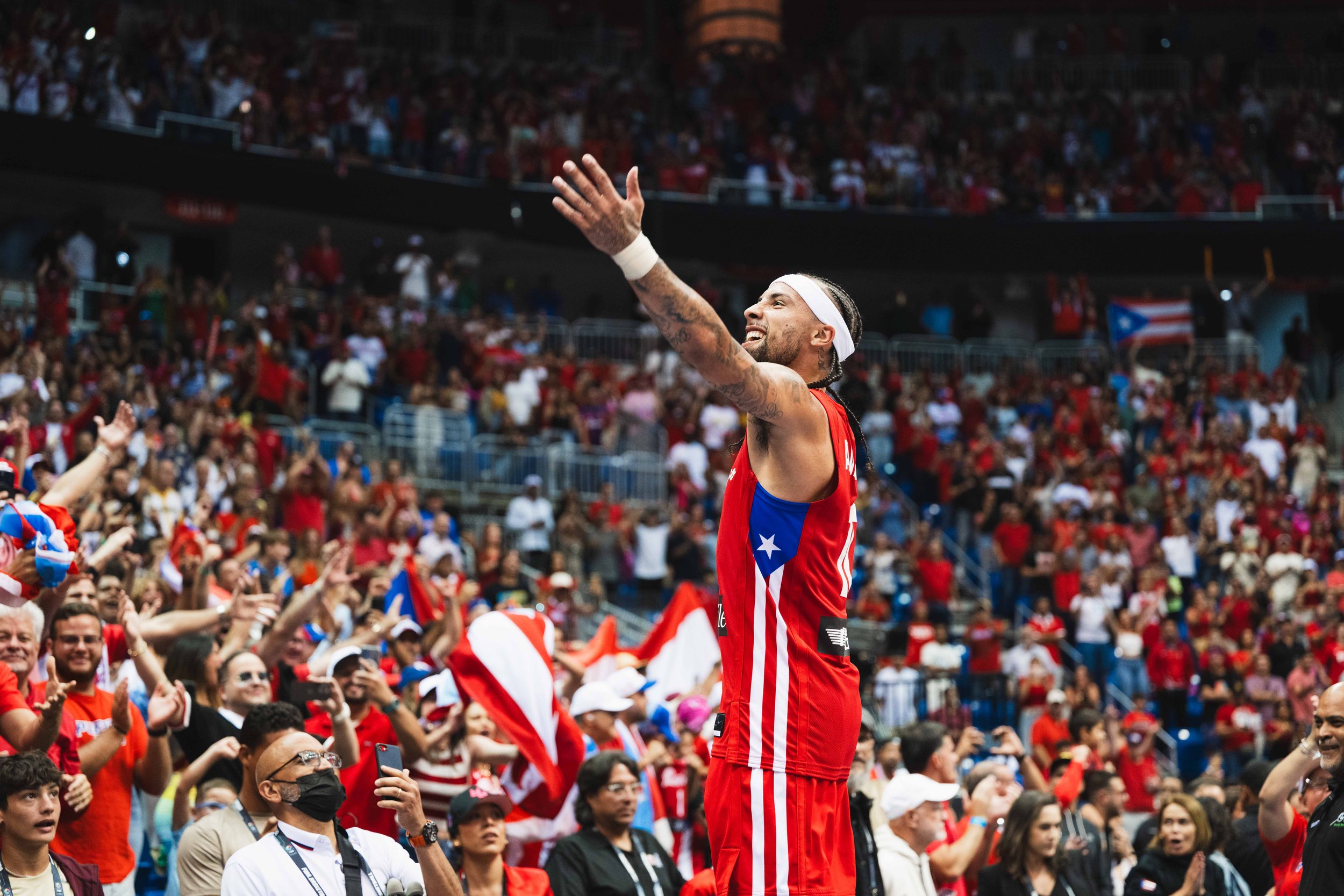
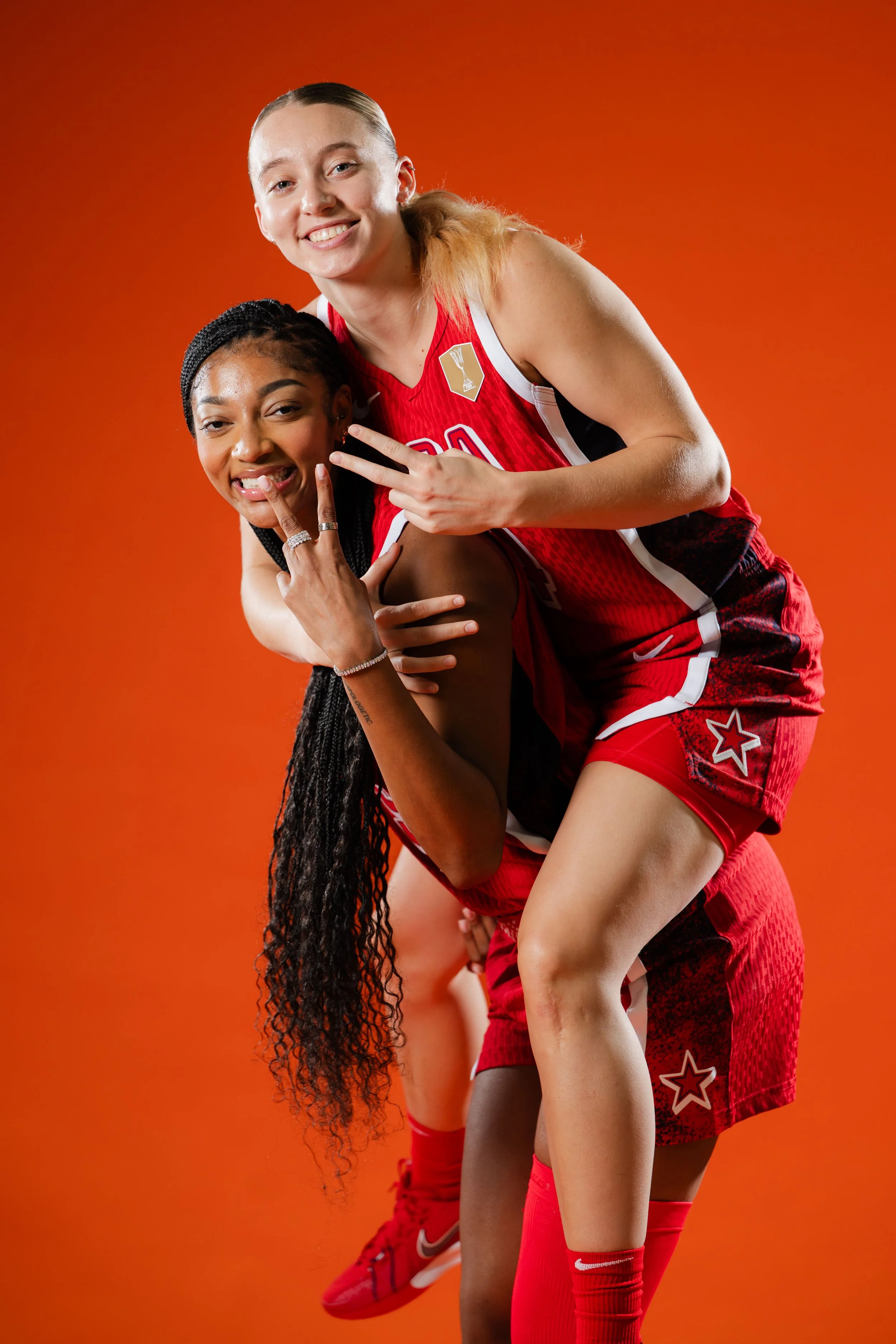
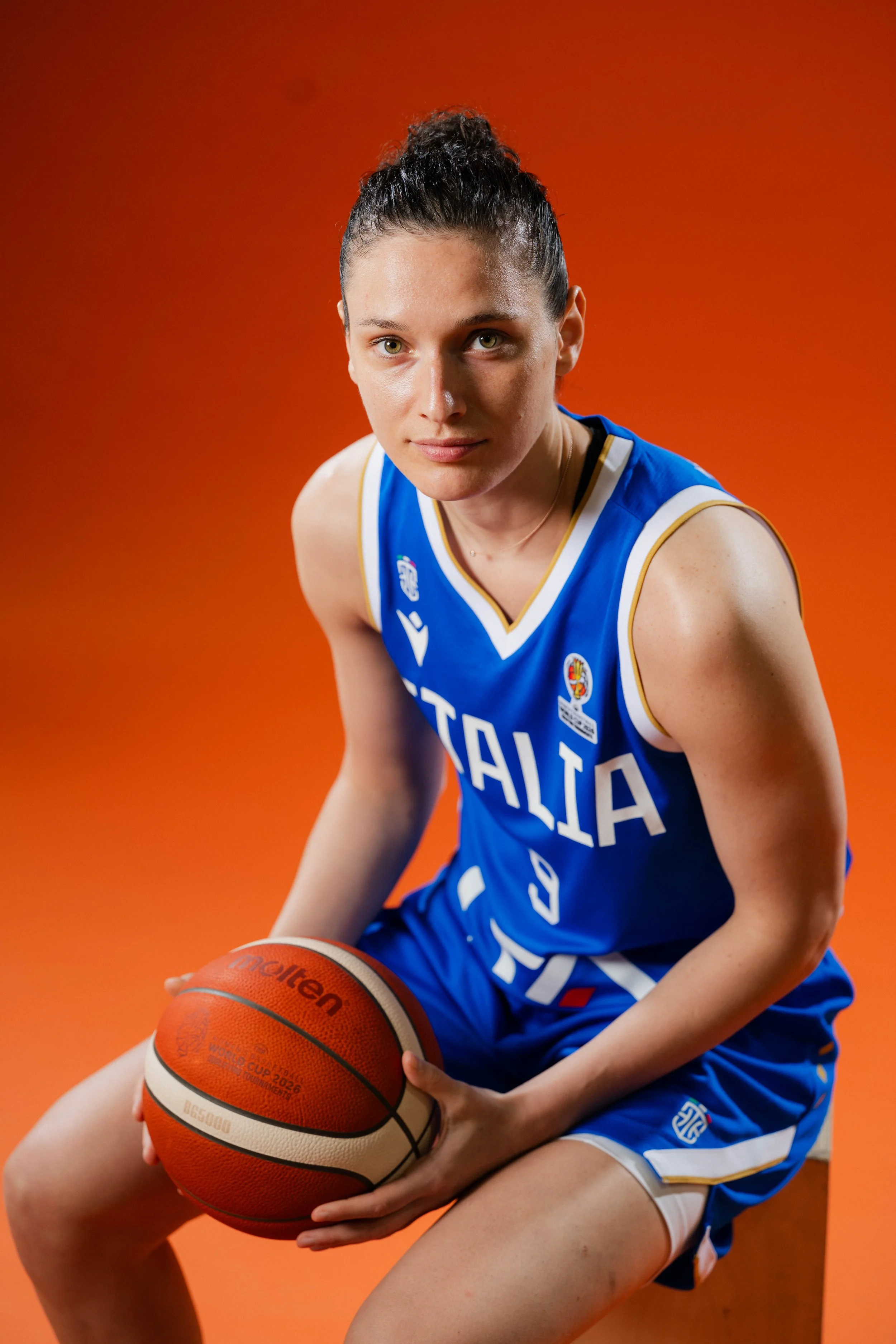
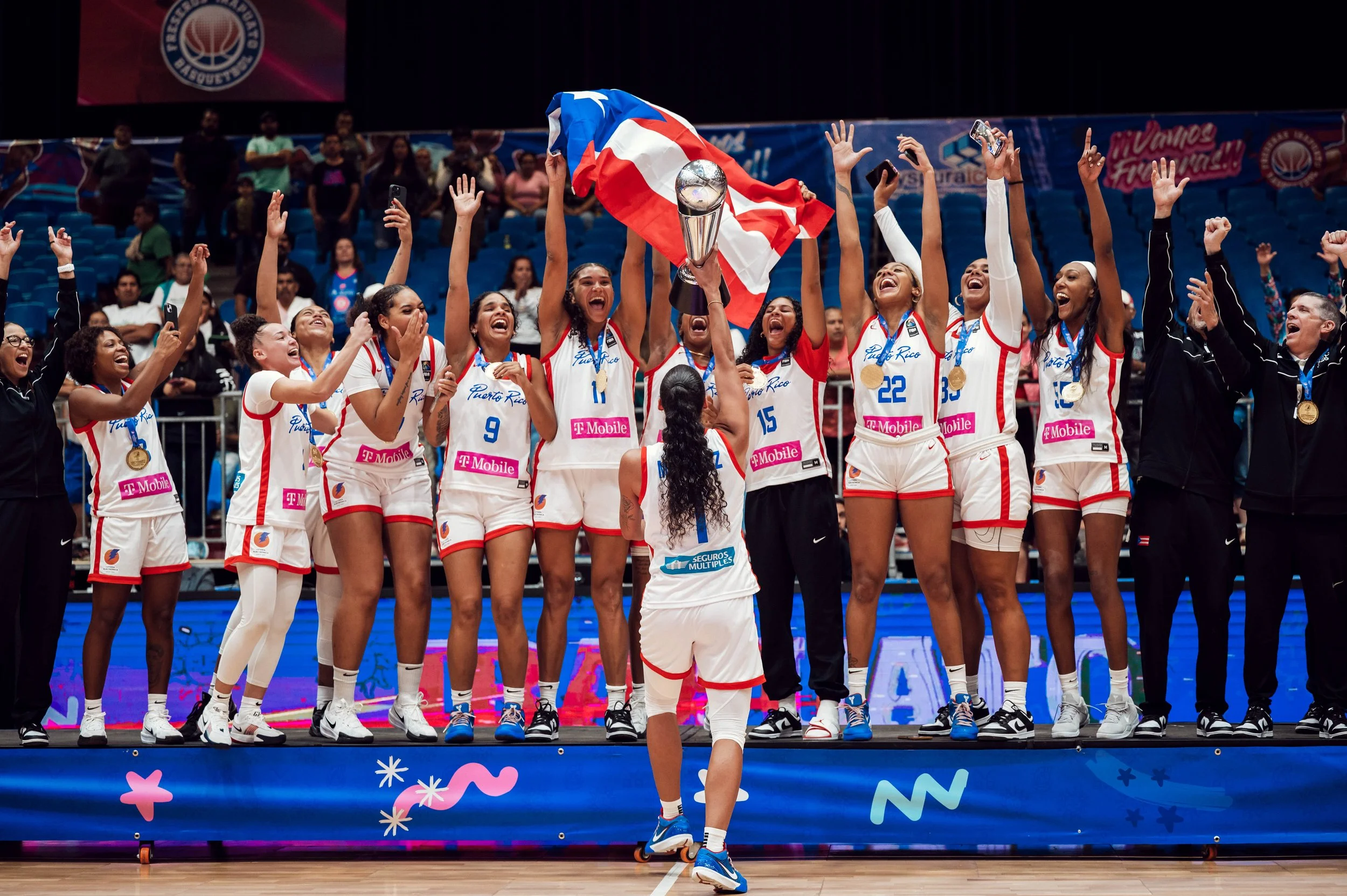
I feel something similar when I photograph the national team. It almost does not matter what kind of game they are playing, there is always this extraordinary concentration. You can see the grit, the tension and the desire to win for their country. So I am constantly looking for emotion. The sadness after a loss. The excitement of winning. For me, those are the moments that reveal the most.”
[O] What emotions does basketball allow you to feel and photograph that you do not find anywhere else?
[AA] “I think pride is probably the emotion that stands out most. There is something incredibly powerful about having the opportunity to document these stories. To me, it is an honour. Our lives are short. People pass through the world, but photographs remain. The story survives through them. One of the things that originally motivated me to photograph basketball was seeing an archive of Roberto Clemente, who is such an important figure in Puerto Rican sports. He is gone, but the photographs remain. You can still encounter his story. That stayed with me. So for me, there is an enormous sense of pride in knowing that I can contribute to preserving these moments. Of course, I am happy when I photograph a game. I am excited because I love basketball. But what really drives me is the possibility of creating a visual record of stories that might continue long after the court.”
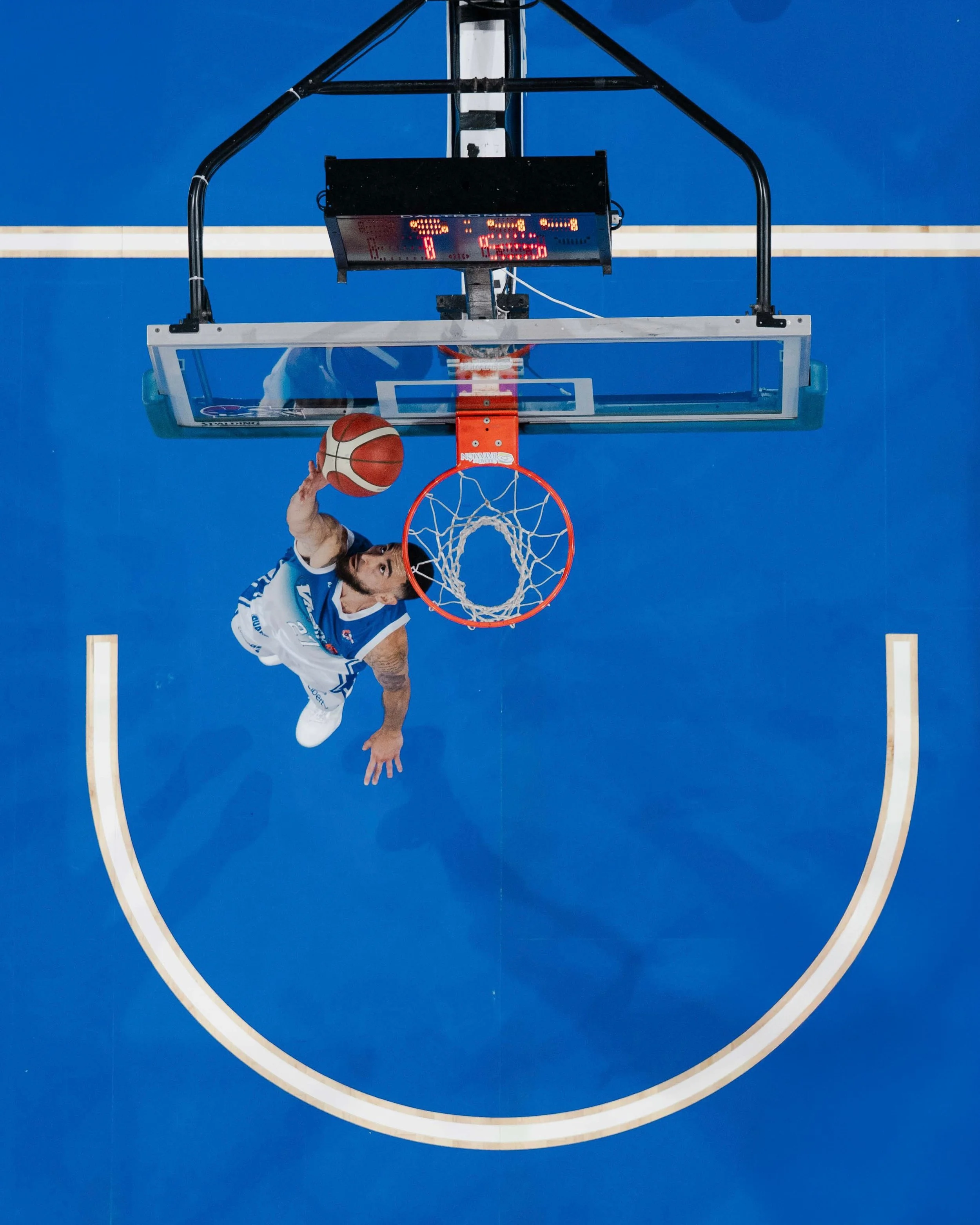
[O] What is the most fascinating hoop, court or basketball subject you have ever encountered?
[AA] “There is an incredibly iconic basketball court in La Perla, in San Juan. It is an outdoor court very close to the sea, and it holds an enormous amount of memory for the people who live there. Visually, it is beautiful. I had the opportunity to photograph a high school team there once, and it was such a fun experience. But even when I am simply walking past that court, I tend to stop for a moment and look at it. There is something about the place that makes you pause. The other court that is particularly important to me is the home court of the team I work with. Even if I am there constantly throughout the season, it still feels special because of all the memories I associate with it.”
[O] In what ways do your country of origin and your cultural roots shape the way you understand basketball?
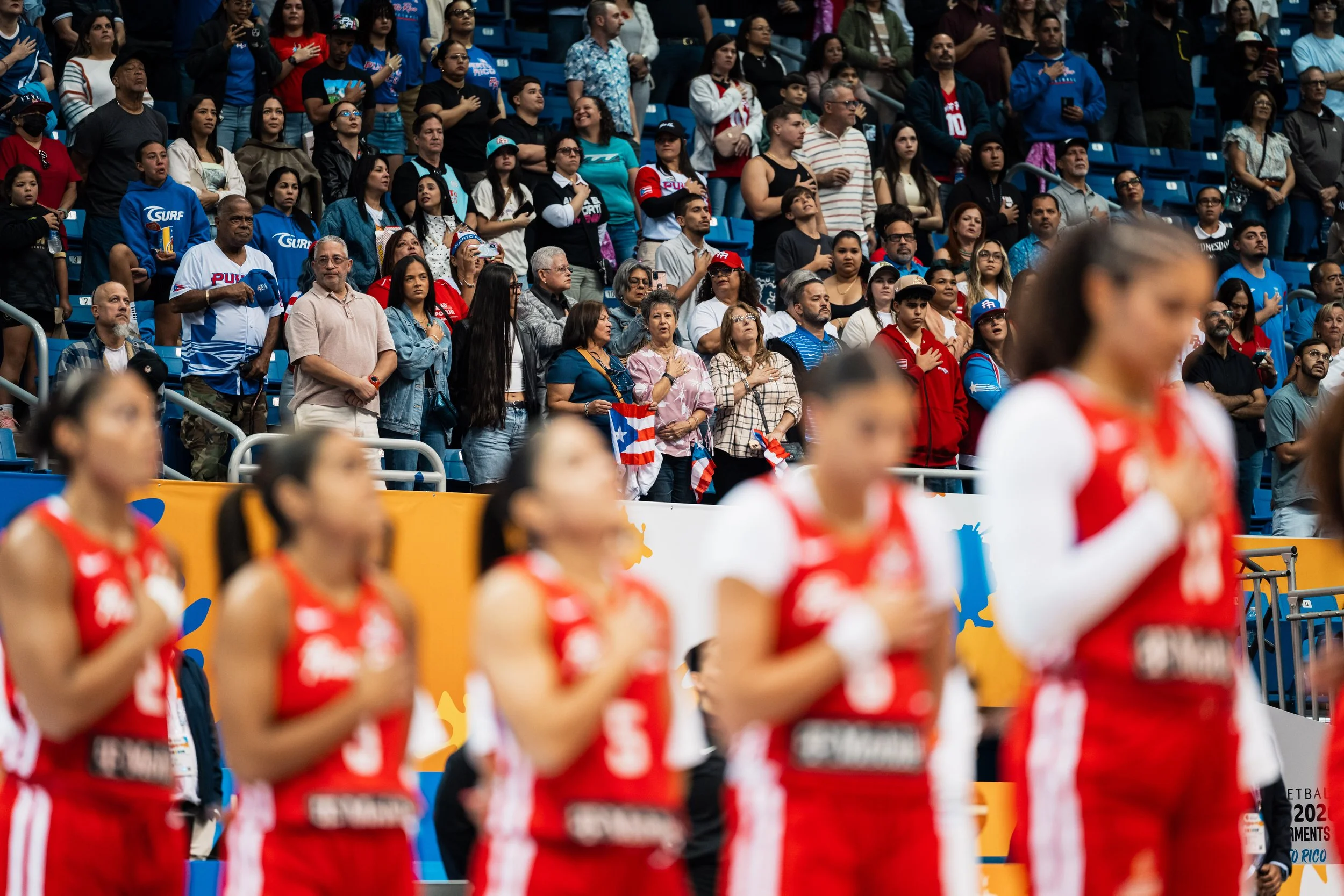
[AA] “Basketball is one of the ways people in Puerto Rico connect with one another. It is something we talk about throughout the entire year. I have so many memories of meeting friends and family simply to watch a game together, particularly when the national team is playing. For us, those games are enormous. People still talk about Puerto Rico beating the United States at the 2004 Olympics in Athens. That moment remains incredibly important, It becomes part of our cultural memory. Basketball also connects Puerto Ricans living on the island with Puerto Rican communities elsewhere, especially in places like New York and other parts of the United States. You can live far away and still follow the league, watch the national team and maintain that connection.
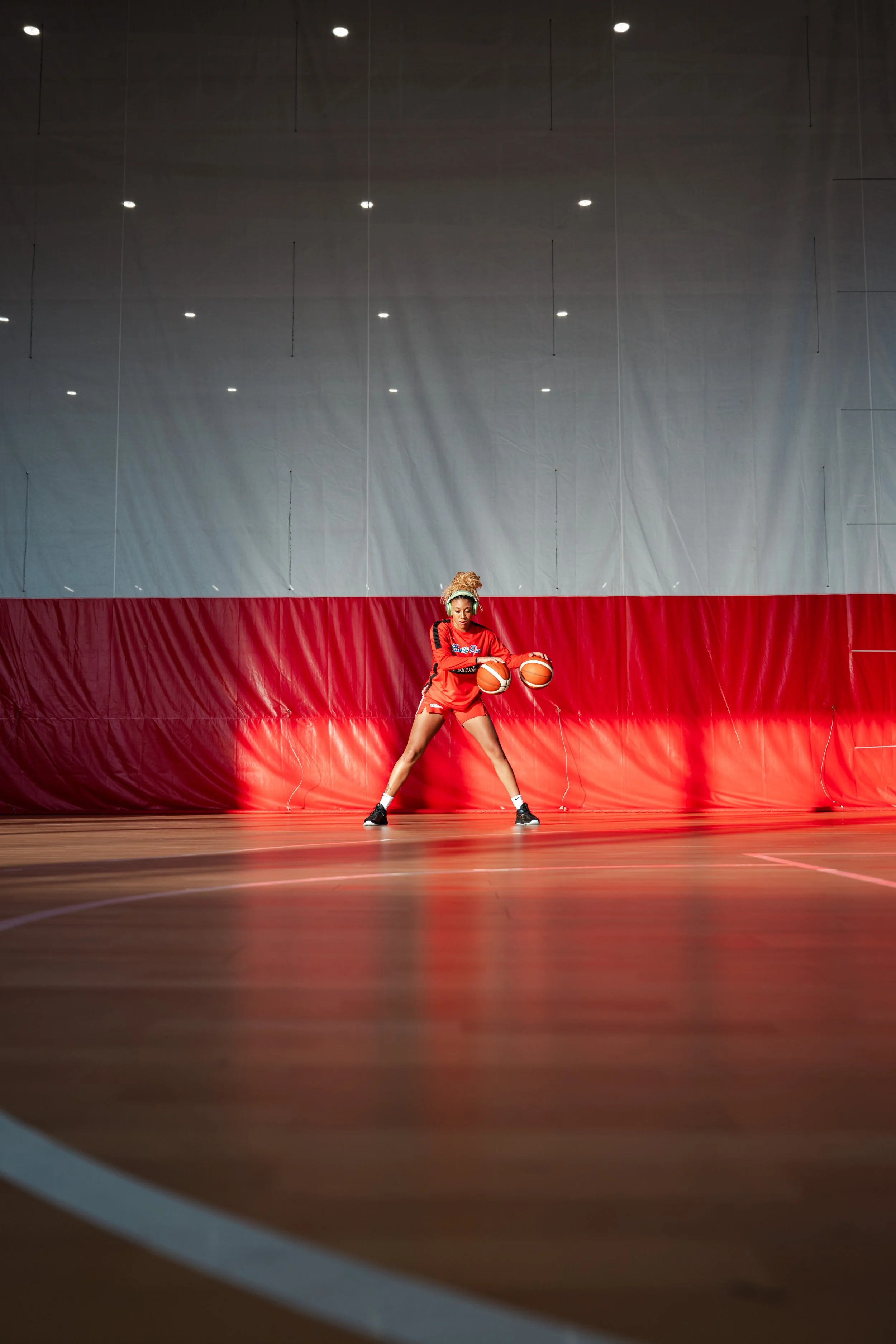
There is also a particular underdog mentality in the way we approach sport. Puerto Rico is a small island, a small country, so seeing ourselves represented on an enormous international stage carries a different emotional weight. Watching our women’s national team compete at the World Cup recently, for example, meant a great deal to people here. You want to see how they measure themselves against these much larger countries. And there is an enormous sense of pride in that. I honestly do not think there are many things that unite Puerto Rico in quite the same way.
When we are in the arena watching the national team, for a moment we forget many of the things that ordinarily divide us. We might have completely different ideas or backgrounds, but at that moment we are simply there supporting the same team.
Basketball becomes a unifying force. We are a small country, yet Puerto Ricans have made an impact in music, cinema, art and sport. Seeing that allows younger people to imagine more for themselves.
There are many obstacles that come with growing up here, but our athletes and artists continuously remind us how large Puerto Rico can become beyond its physical size.”
[O] How has basketball helped you discover and understand other places and the different communities you have photographed?
[AA] “I have had the opportunity to travel with the national team to Mexico and Chile, and those experiences were incredible. Photographing and telling the team’s story was already meaningful, but basketball also gave me the opportunity to discover those countries personally. What stayed with me most was the warmth and kindness of the people. There is also something special about travelling through countries that share your language, you immediately find the easiest ways to connect. Of course, when you travel for work, there is never enough time to become a tourist properly. You are there for the games. But even the few places I was able to experience left me wanting to return. That is one of the things I find so special about photography: it gives you a reason to move through the world. Basketball has done that for me even outside of work. I am very interested in what you could call sports tourism. I have travelled to New York several times, for example, largely because I wanted to watch my favourite WNBA team, the New York Liberty. And through basketball, I discovered a city I did not expect to love as much as I do. I also met people there, even family connections, that I did not know before making those trips. So whether I am travelling professionally as a photographer or simply going somewhere because I want to experience a game, basketball continuously becomes an entry point into places and communities I might otherwise never have encountered.”
[O] What do you hope to contribute to basketball culture through your lens?
[AA] “Right now, what motivates me most is simply telling the stories of the people who play the game. Being trusted to document those stories is an honour. Capturing the emotions of the people at the centre of them is what makes me want to continue doing this. But there is another dimension that has become increasingly important to me.
I am a woman building a career in sports photography. Growing up, I did not see many visible examples of women doing this successfully. So being able not only to photograph women who belong in sport, but also to occupy that space myself as a photographer, matters to me.
So alongside documenting basketball, I hope I can also become an example for younger women who may be imagining a career like this but have never seen somebody who makes that possibility feel tangible. I think that would mean a lot.”