HANG TIME | Nino Connois
A blink of an eye. Stasis within motion. Motion within stasis. The Game, and everything touched by it, unfolds through sequences of plays: clicks that hold it all. Contained transitions. Actions meet reactions. Realities become impressions. Liminal zones, held and disclosed by basketball. Within the instant, rhythms flow. Where a drive goes, where a life goes. Every frame is a read: a scouting report in which every detail is recognizable, while the defining figure and its path remain to be deciphered.
Hang Time is our study of these suspended moments, told through those who compose them. Shooters. Visual poets with distinctive practices and a shared pursuit, articulated by Andrew D. Bernstein at its most elemental: in photography, the main goal is to elicit a response from the viewer.
Featuring | Nino Connois
Interview by Overseas | Filippo Libenzi

[Overseas] What are your earliest visual memories and feelings connected to basketball?
[Nino Connois] “I played basketball since I was a kid, mostly at school during lunch breaks. A lot of my friends were already playing for different teams, but I wasn’t. For me, at that stage, basketball was simply something I enjoyed. Then, when I was fourteen, I remember being bored at home one evening and asking my mother if I could go to a nearby park. When I arrived the court was completely packed with people playing basketball. I had never really played outdoors, never been part of a club, but that evening, they welcomed me immediately. I came back on Saturday. Then again on Sunday. After that weekend, I was there constantly. I did not know any of those guys beforehand, most of them were older than me, but suddenly I was making new friends and becoming part of something. I made so many friends in my city through the Game, and even today almost all of my friendships are connected to basketball in one way or another. The following year, I eventually joined a team that the people I met at the park told me about, and that was it. I have been playing basketball ever since.
My relationship with the Game evolved when I began watching it on tv, at almost exactly the same time. The guys at the park would ask me, ‘Are you watching the playoffs?’ That happened to be during the Warriors–Cavaliers era, one of the most iconic rivalries and Finals series in recent NBA history. That became one of my strongest early basketball memories. I remember watching Stephen Curry and the Warriors and becoming completely fascinated. At that point, the NBA was essentially all I knew. I had almost no understanding of European basketball. But what immediately struck me was the depth of the sport. Basketball looks simple at first, but the more you understand it, the more layers you begin to see. There are so many factors constantly interacting with one another. Plus, you get to experience that sense of everybody collectively belonging to a team, following the same story, sharing victories and defeats. Basketball gave me that.”

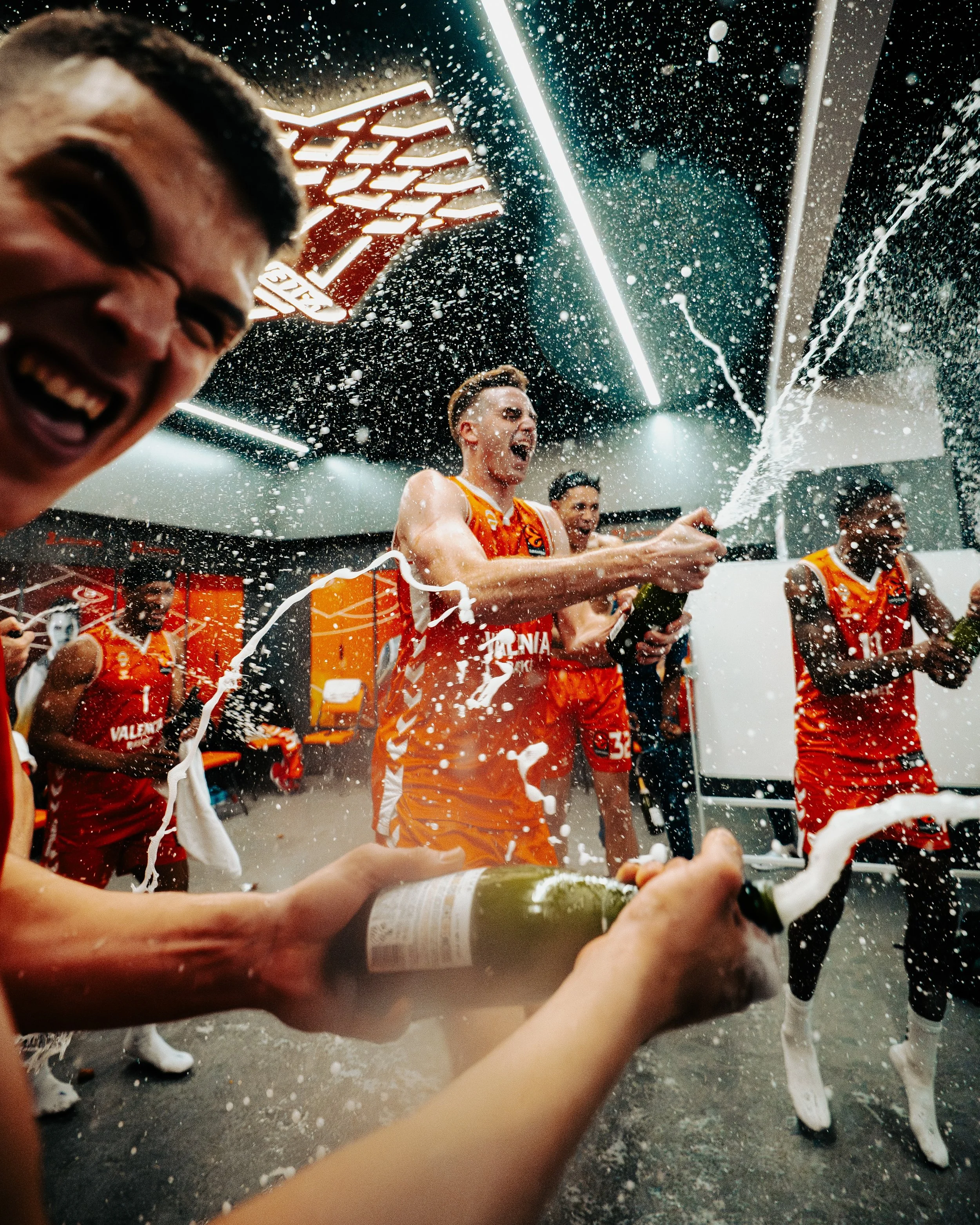
[O] How and why did the Game become part of your photography?
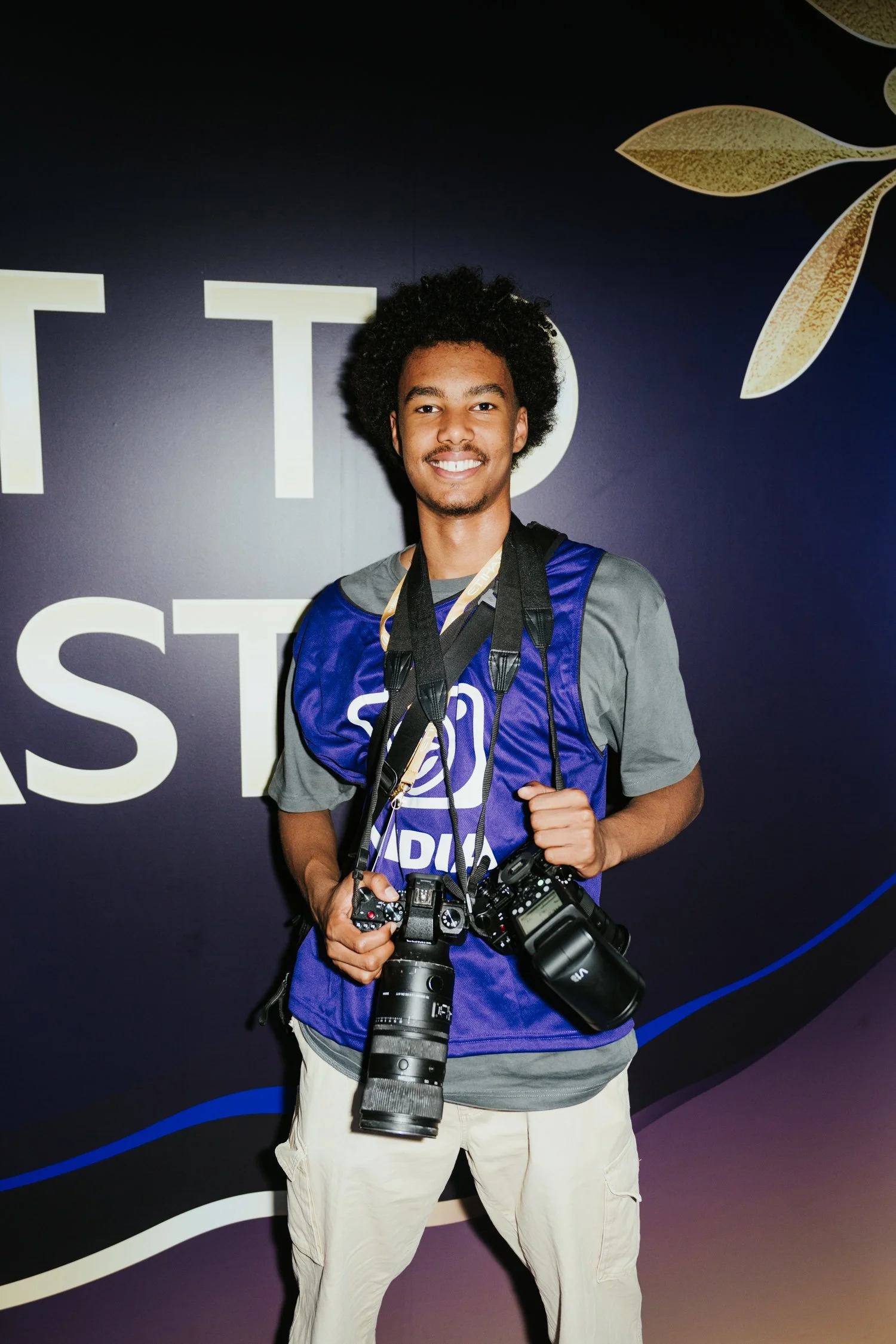
[NC] “It actually began through that same club, Décines Basket. At the time, I was playing and coaching simultaneously, and I was extremely invested in the organisation. At some point, we realised that we needed somebody to create content. I had already enjoyed taking photographs and making videos on my phone, so I started managing the club’s social media. I was running Instagram and Facebook, taking photographs, shooting videos and basically learning. Eventually, I bought a better phone because I wanted the images and videos to improve. I spent an entire season creating content that way. Then, towards the end of the season, our senior team reached the finals. By that point, I had already been thinking about buying an actual camera, and I thought that was the right moment. So I bought one.
That summer became an important period for me because my father lives in the UK and I usually spend part of the summer there. I began taking the camera with me everywhere. I photographed youth tournaments, Ball Out events, Hoopsfix programmes and different basketball gatherings across the UK. That was really where I trained myself. I was learning constantly, simply by being around the Game and photographing as much as possible.
When the following season started, I continued managing social media for my club, but by then I had begun thinking more seriously about photography. I remember deciding that I wanted to try photographing professional Games. And from there, it gradually developed.”
[O] What details, shapes or subjects do you look for when photographing basketball?
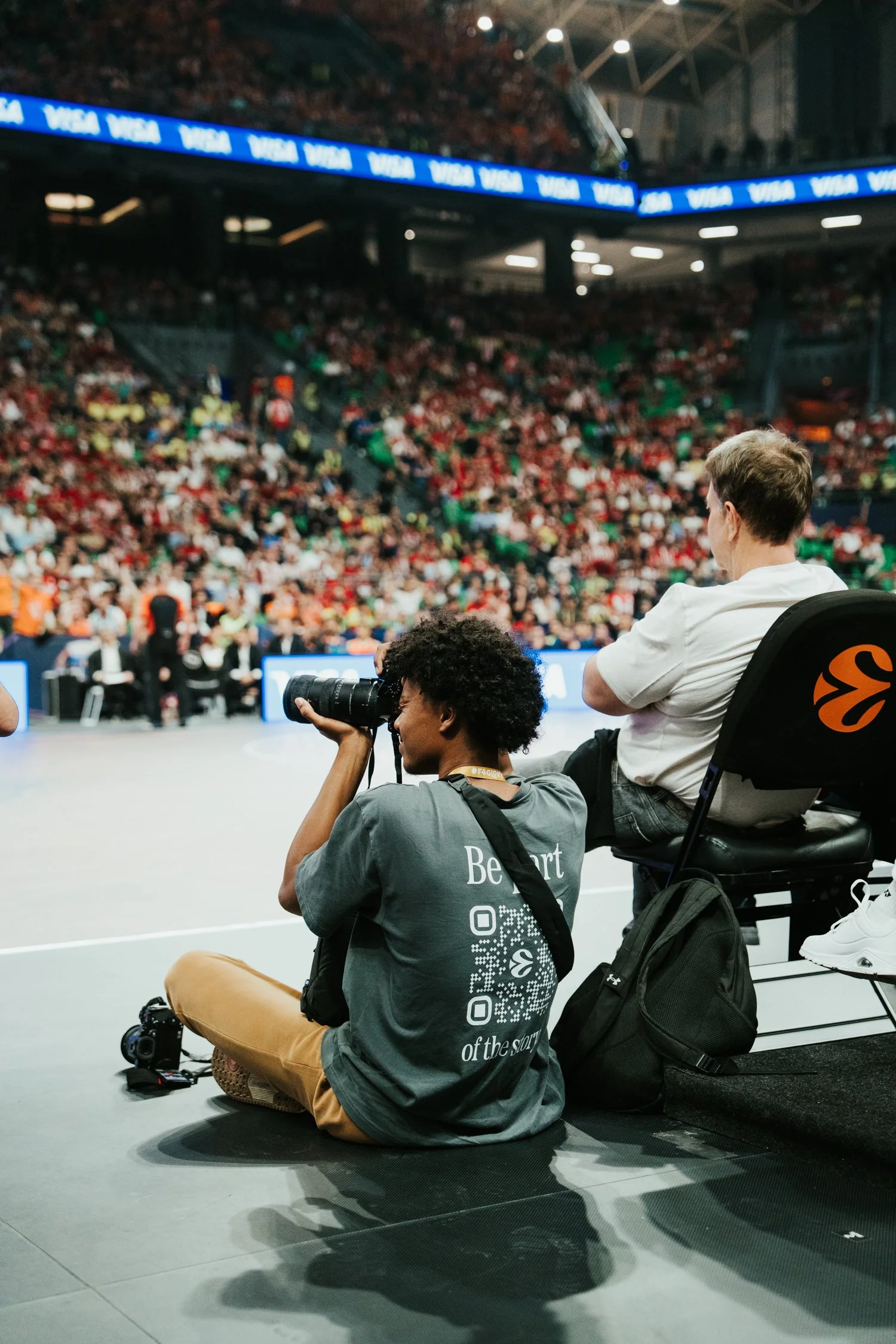
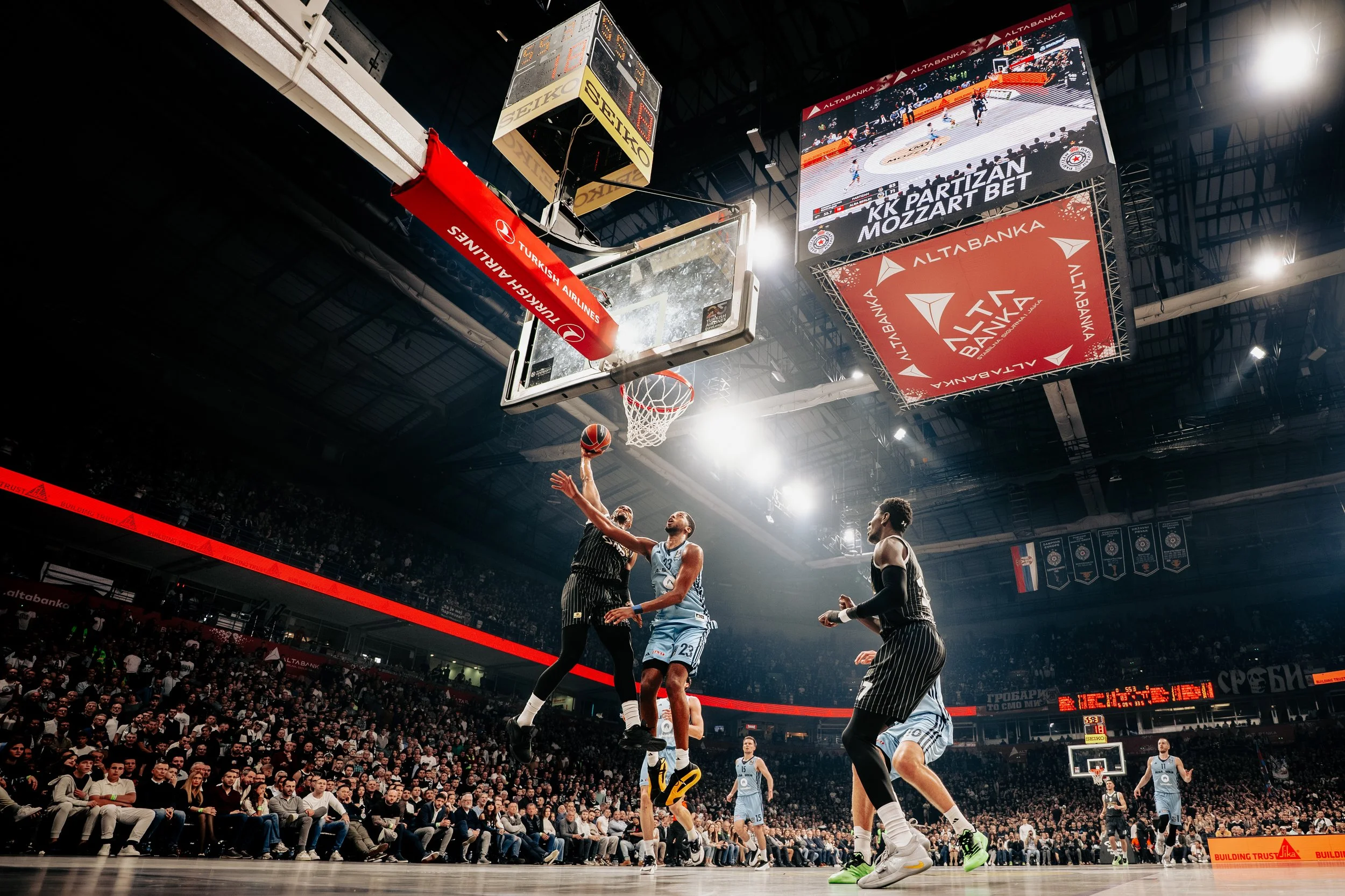
[NC] “When I photograph a game, I try to document it in a way that allows someone looking at the images afterwards to feel as though they were there.
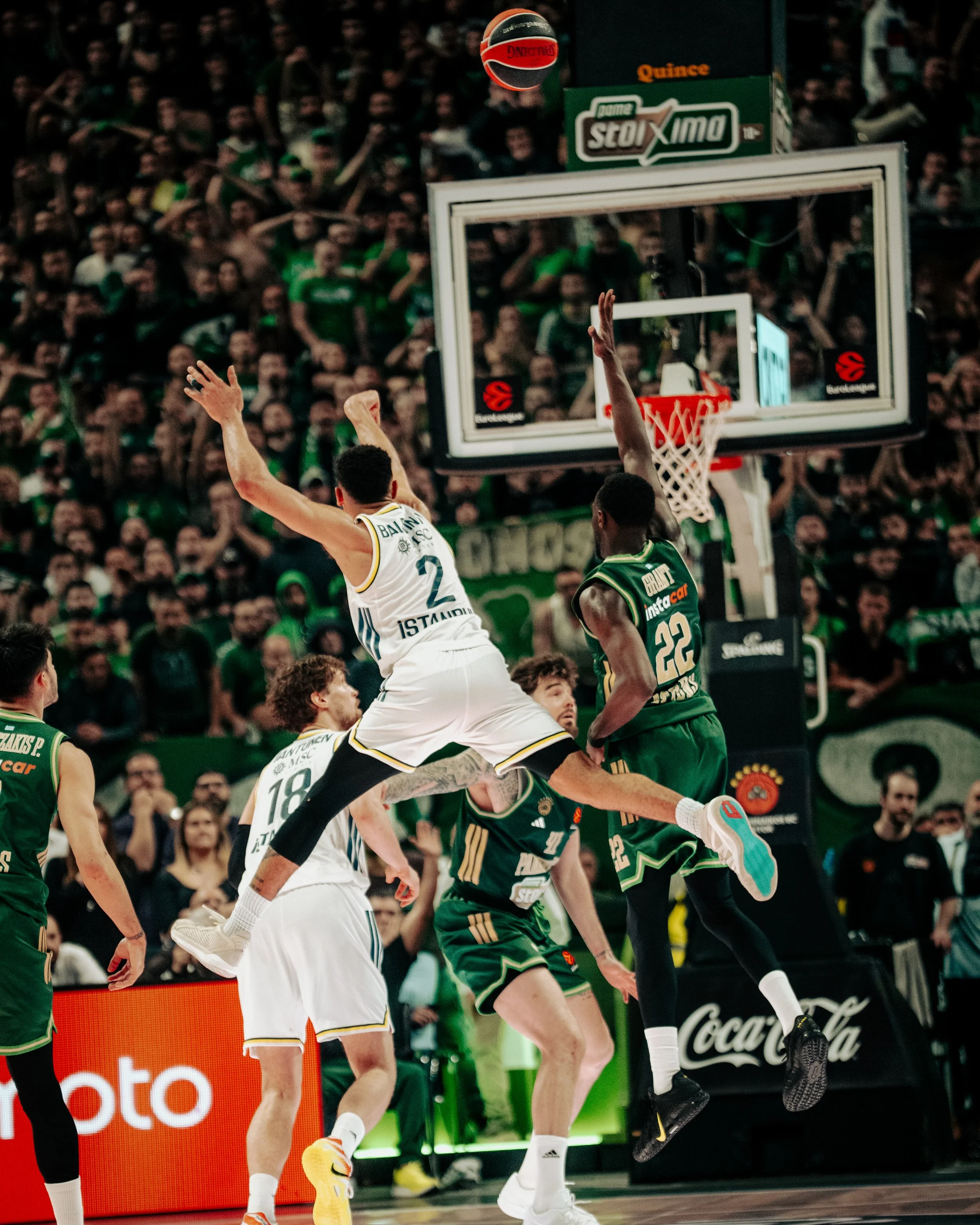
If you see the photographs or a post on Instagram, I want you to understand something about what was at stake that night. That is probably the thing I focus on most: what does this particular game mean?
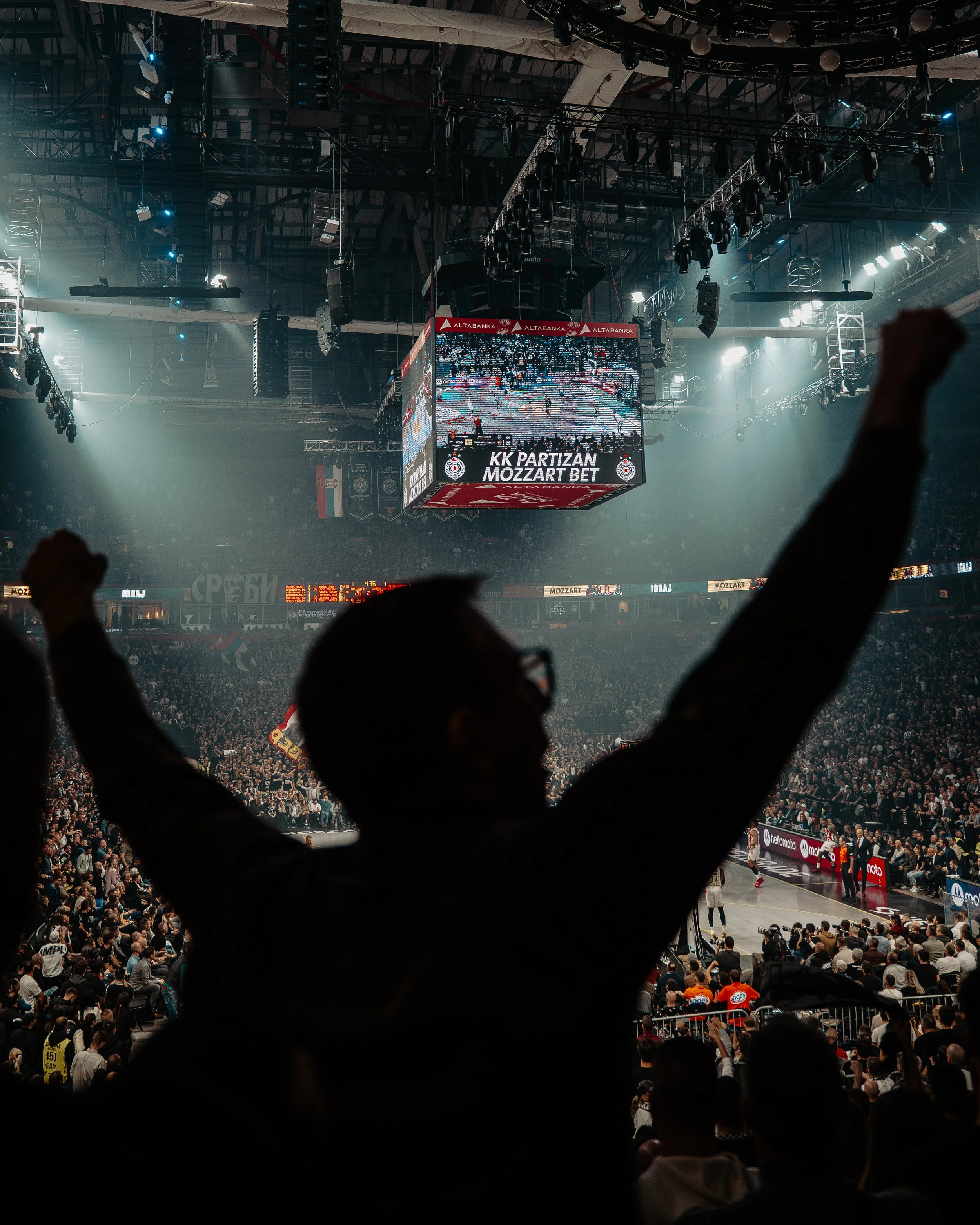
Sometimes the story of a game is really about the fans. You can sense that immediately, especially during a derby or an important national game. Other times, everything revolves around one particular player for whatever reason. The atmosphere, the relationships, the details that help explain why a moment matters. There have been games where a single portrait seemed to contain the entire result. You could look at somebody’s face and immediately understand who had won, who had lost, how intense the game had been and how much it had meant to the people.
Technically, I also try to move around as much as possible. Most of the time, I will begin on the baseline, but then I pay attention to what is happening in different parts of the arena. I like going into the stands photographing the supporters. The funny thing is that photographing fans can be just as unpredictable as photographing the Game itself. On the court, you can miss a huge dunk, but you can miss something equally important in the stands. That happens constantly. Ultimately, that is what I am always trying to photograph.”
[O] What emotions does basketball allow you to feel and photograph that you do not find anywhere else?
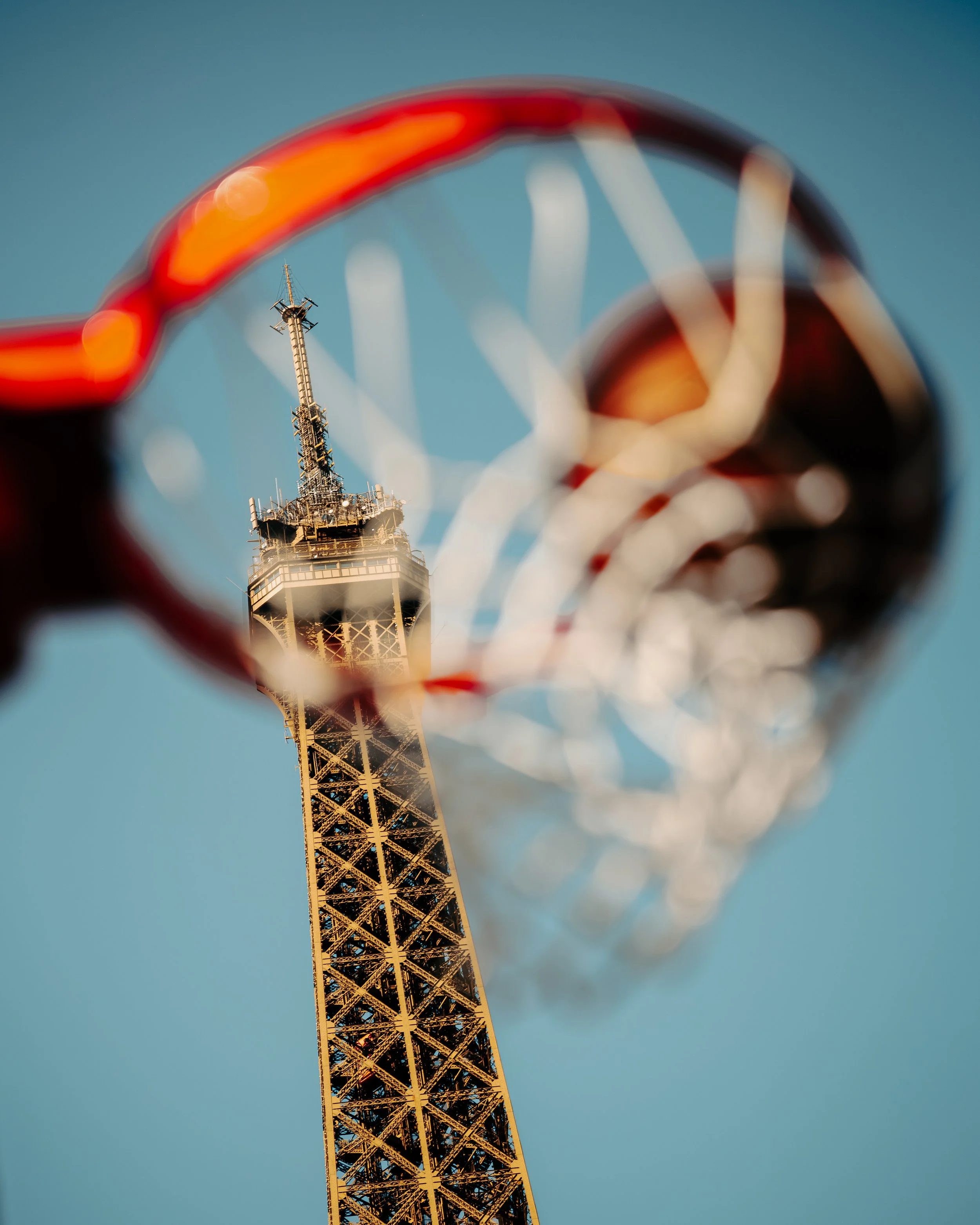
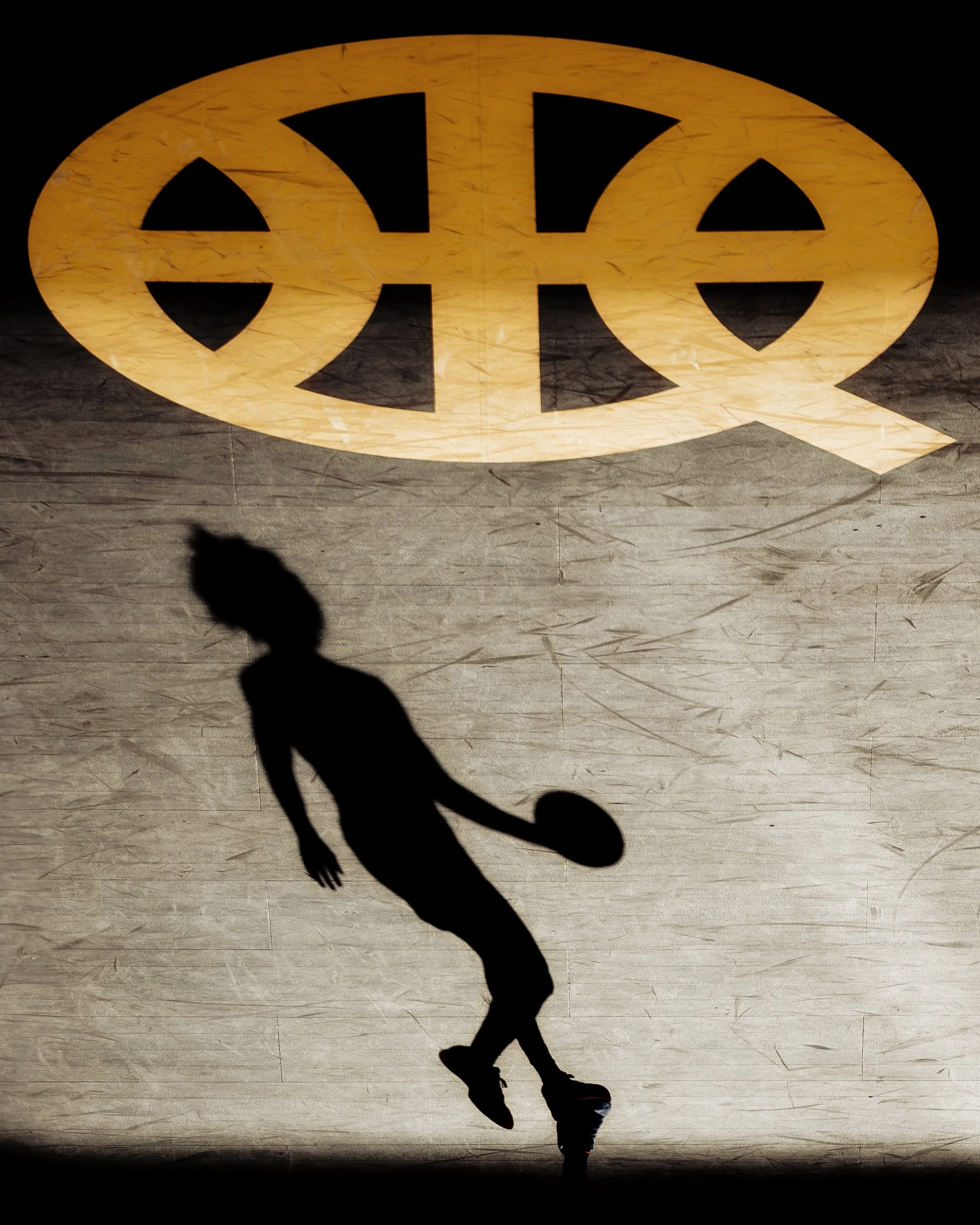
[NC] “It is difficult for me to name an emotion that exists exclusively within basketball. But if I had to choose one, even if it sounds obvious, I would say passion. And I experience that passion differently because I do not only photograph it: I feel it myself. I could never experience another sport, or perhaps any other activity, in exactly the same way because basketball was my passion before it ever became something I photographed. That changes everything.
What fascinates me is how many different forms that passion can take depending on where you are. Basketball culture changes from place to place, but wherever you go, that intensity is still there.
In France, for example, basketball can become competitive incredibly easily. Even at the park or minor leagues, young players already care deeply about the Game. In other places, basketball occupies an entirely different position. For some people, life can almost be reduced to work, family and basketball. The Game occupies a much larger emotional space. It is no longer simply about having a Game on Sunday and wanting to win. It is about wanting to play whenever possible, wanting to watch, to be around the Game. When you are photographing it, all of that becomes visible.
That passion is often connected to history. Every club has its own history, and supporters are attached not only to the team that exists today but to everything that came before it. You see that visually all the time. Fans arrive wearing old jerseys, with old logos, references to teams and players from completely different eras. As photographers, we can document those details and allow that history to remain present within the image. That is also one of the things I love most about travelling for basketball. The passion does not begin and end inside the arena. It moves into airports, streets, cities, and everyday life.”
[O] What is the most fascinating hoop, court or basketball subject you have ever encountered?
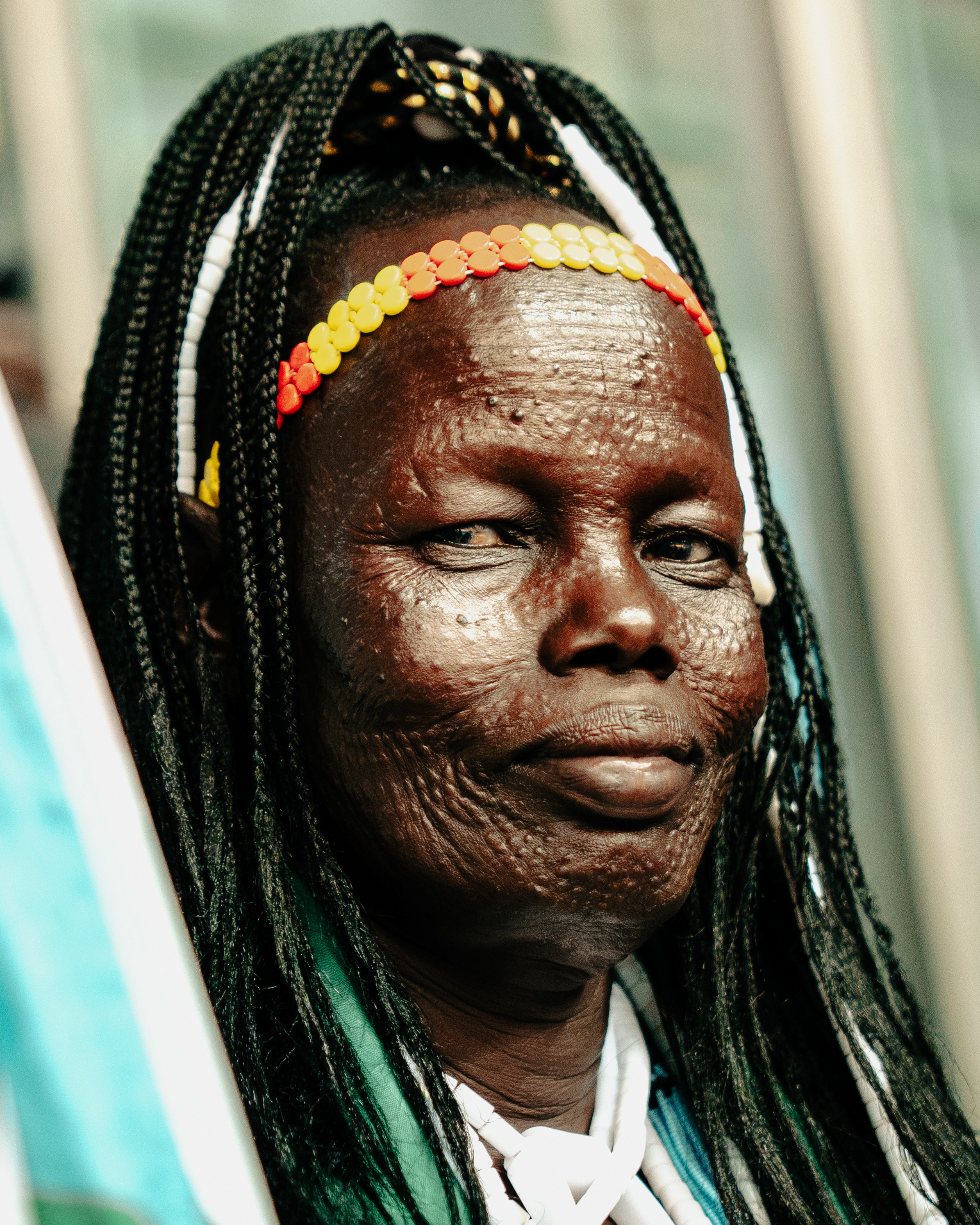
[NC] “There are so many that come to mind, but I think I have to choose the 2024 Olympics in Lille. South Sudan, my father’s country, had qualified for the Olympics, and their first game was against Puerto Rico. I went there with my father and my brother. I was not officially photographing the game, but I had my camera with me and managed to bring it inside. For me, what happened around that game was much bigger than basketball. As South Sudanese people, we do not necessarily encounter large South Sudanese communities everywhere in everyday life. But when we arrived in Lille, there were hundreds of South Sudan supporters. And there was this immediate connection between everybody simply because they were South Sudanese and because they had come to support the national team. I do not think I had ever seen my father that happy at a basketball game. He was speaking to everybody. And this was all before the game even began. People were waving flags, wearing South Sudan shirts—not necessarily basketball jerseys, simply clothing representing the country. That was what the day was really about. The emotion was about the country itself. I photographed the Game from the stands and South Sudan won. Afterwards, all of the supporters gathered outside and celebrated together. That memory remains incredibly special to me.
There was also something else about the Olympics that made the whole experience different. At the Olympics, you do not only have fans of the two teams inside the arena. You also have people who may know very little about basketball but simply want to experience the highest level of sport. They are there because they want to see something extraordinary. And I remember seeing so many people—French, English, supporters with no direct connection to South Sudan—wearing South Sudan jerseys and supporting the team as though it were their own. They had fallen in love with the story. South Sudan is still such a young country, and basketball has become one of the spaces through which it is trying to establish itself internationally. Every time South Sudan scored, the entire arena seemed to be behind them. I found that incredibly beautiful. South Sudan is often spoken about through war, conflict and division. At that moment, everybody was together. Everyone could feel the hope surrounding the team, that sense of possibility. For so long, we have been made to feel very small. Basketball made us feel big.”
[O] In what ways do your country of origin and your cultural roots shape the way you understand basketball?
[NC] “I actually came to European basketball quite late. For a long time, I was only watching the NBA. I was playing in France, of course, but at an amateur level, so my understanding of the wider basketball landscape was still quite limited. What I gradually began to recognise, though, is how seriously France approaches the competitive and educational side of the Game. There is a real emphasis on learning basketball properly, on understanding it, on developing players within a structured environment. When I go to the UK, for example, the relationship with the Game feels quite different both in the way basketball is taught and in the way people consume it. What I find particularly interesting about France, however, is how open it is to the rest of the world. I see France almost as a gateway towards many other basketball cultures, particularly those connected to Africa, but also to neighbouring countries across Europe. France itself is extremely multicultural, and that mix naturally enters the Game. When you follow French basketball closely, you inevitably begin opening your eyes towards all these other places and traditions. And because French teams are present in the EuroLeague and across European competitions, even simply being in Lyon and going to Games allows me to encounter an extraordinary variety of basketball cultures. So I think growing up within French basketball has taught me to see the Game not as something isolated within one country.”
[O] How has basketball helped you discover and understand other places and the different communities you have photographed?
[NC] “Before photography, I did not travel very much. I would go to the UK every summer because my father lives there, but outside of that I had barely travelled. Then photography changed everything very quickly. Within roughly a year, I found myself travelling to Greece, Serbia, Italy and many other places. It happened incredibly fast.
I had always been interested in history. I was actually studying history growing up, so I already knew something about different cultures across Europe and Africa. But knowing something intellectually and actually encountering it are completely different experiences. Photography finally gave me the opportunity to see those places for myself.
Whenever I travelled to photograph a game, I would try to give myself an extra day, sometimes two, simply to experience the city. And what made those trips even more interesting was how easily the Game created encounters. I would constantly meet people who support the local teams. You start speaking to someone, then they ask which game you are going to shoot. Sometimes we would simply go to the game together. That has happened to me more than once. Those conversations allowed me to understand how differently people experience basketball depending on where you are.
I also try, whenever I travel, to always have basketball shoes and shorts in my bag because I want to play outdoors if I can. And that becomes another way of discovering a city. In some places, finding a court and play is incredibly easy. In others, you need to know the right people, the right court, or simply arrive at exactly the right time. That is something I find fascinating.”
[O] What do you hope to contribute to basketball culture through your lens?
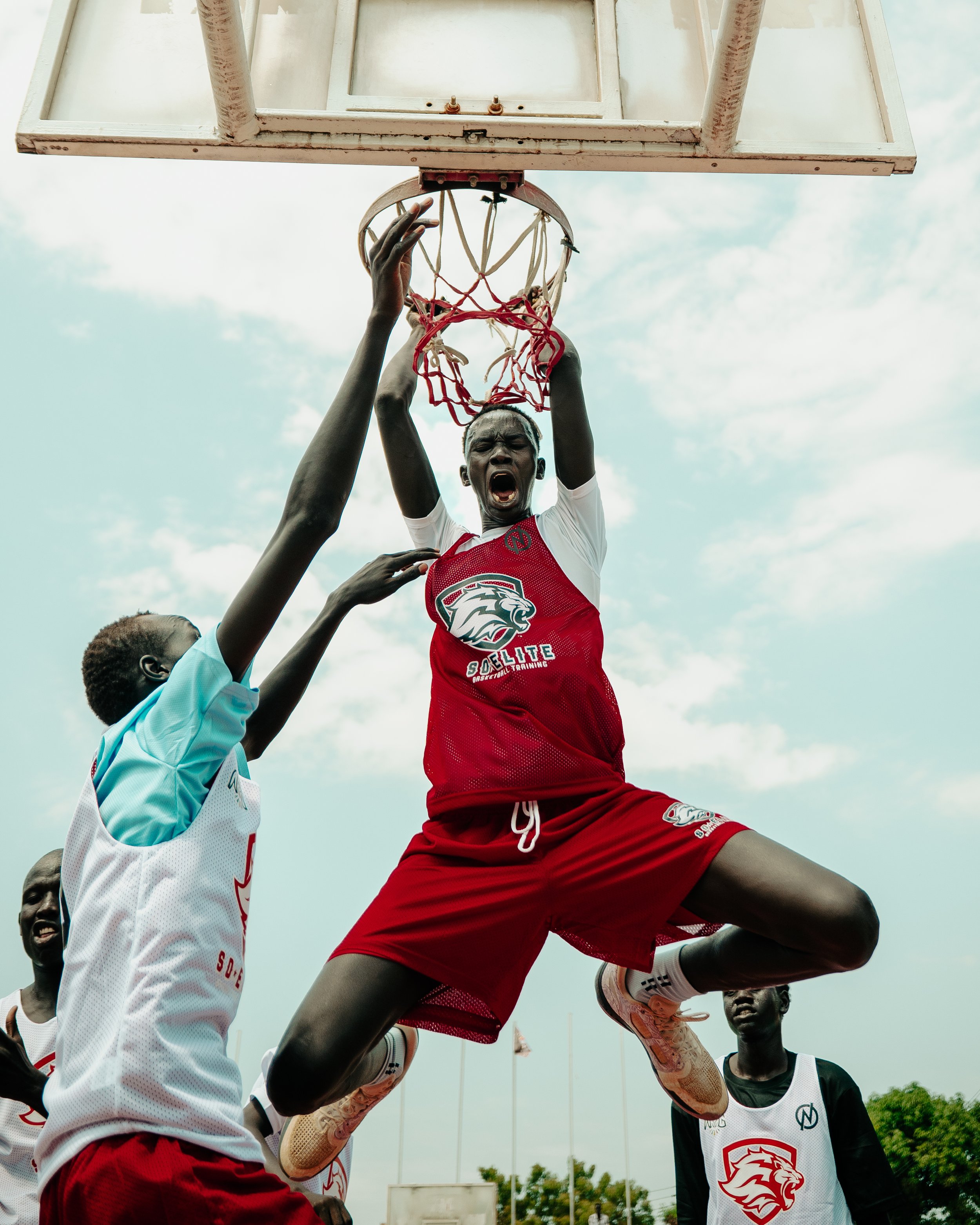
[NC] “I think what I most want to do is document stories that are still growing. And, for me, Africa is probably the most important example. I travelled there for the first time this summer. I went to South Sudan to photograph a basketball camp with Wenyen Gabriel, and that experience made me realise how much of that basketball culture still feels like an unwritten page. There are already important things happening, of course. History exists. But much of it has either never been documented, or has not been documented with enough depth, consistency or care.
There is an enormous amount still to photograph and an enormous number of stories still to tell. And I want to participate in that. I have begun to think of it almost as a responsibility. I want to photograph these communities and these emerging basketball environments now, so that twenty or thirty years from today people will be able to look back and understand where things began. That matters to me enormously.
If I want to understand the history of the French national team, for example, I can find almost everything. I can discover who the major players were, who coached them, which games mattered, what they won. There is an archive. The story has been preserved. And that documentation also has a sporting value because younger players inherit a history they can recognise themselves within. They can look backwards. That kind of reference can be incredibly powerful.
In parts of Africa, the situation is completely different. Some children may barely know basketball exists, and even when they do know basketball, perhaps they only know a handful of players from their national team. Those athletes become almost the entire horizon of what seems possible. On one hand, it feels enormous because everything is new and the culture is growing so quickly. On the other, the archive is still incredibly small compared with what players elsewhere in the world are able to inherit. That is why I think the documentation has to happen now. African basketball is going to grow enormously. You can already see it—not only with South Sudan or other national teams, but through the BAL as well. There is a whole ecosystem developing. But at the moment, it still is not being documented enough. Most basketball imagery remains centred on the NBA.
Even in Europe, the majority of international attention goes towards the EuroLeague. If you want to see what is happening in many domestic leagues, you often have to be an extremely dedicated fan.
So when I think about what I want to add through my photography, it is to help build the visual memory of basketball in places where the Game has only just begun to take root.”