A blink of an eye. Stasis within motion. Motion within stasis. The Game, and everything touched by it, unfolds through sequences of plays: clicks that hold it all. Contained transitions. Actions meet reactions. Realities become impressions. Liminal zones, held and disclosed by basketball. Within the instant, rhythms flow. Where a drive goes, where a life goes. Every frame is a read: a scouting report in which every detail is recognizable, while the defining figure and its path remain to be deciphered.
Hang Time is our study of these suspended moments, told through those who compose them. Shooters. Visual poets with distinctive practices and a shared pursuit, articulated by Andrew D. Bernstein at its most elemental: in photography, the main goal is to elicit a response from the viewer.
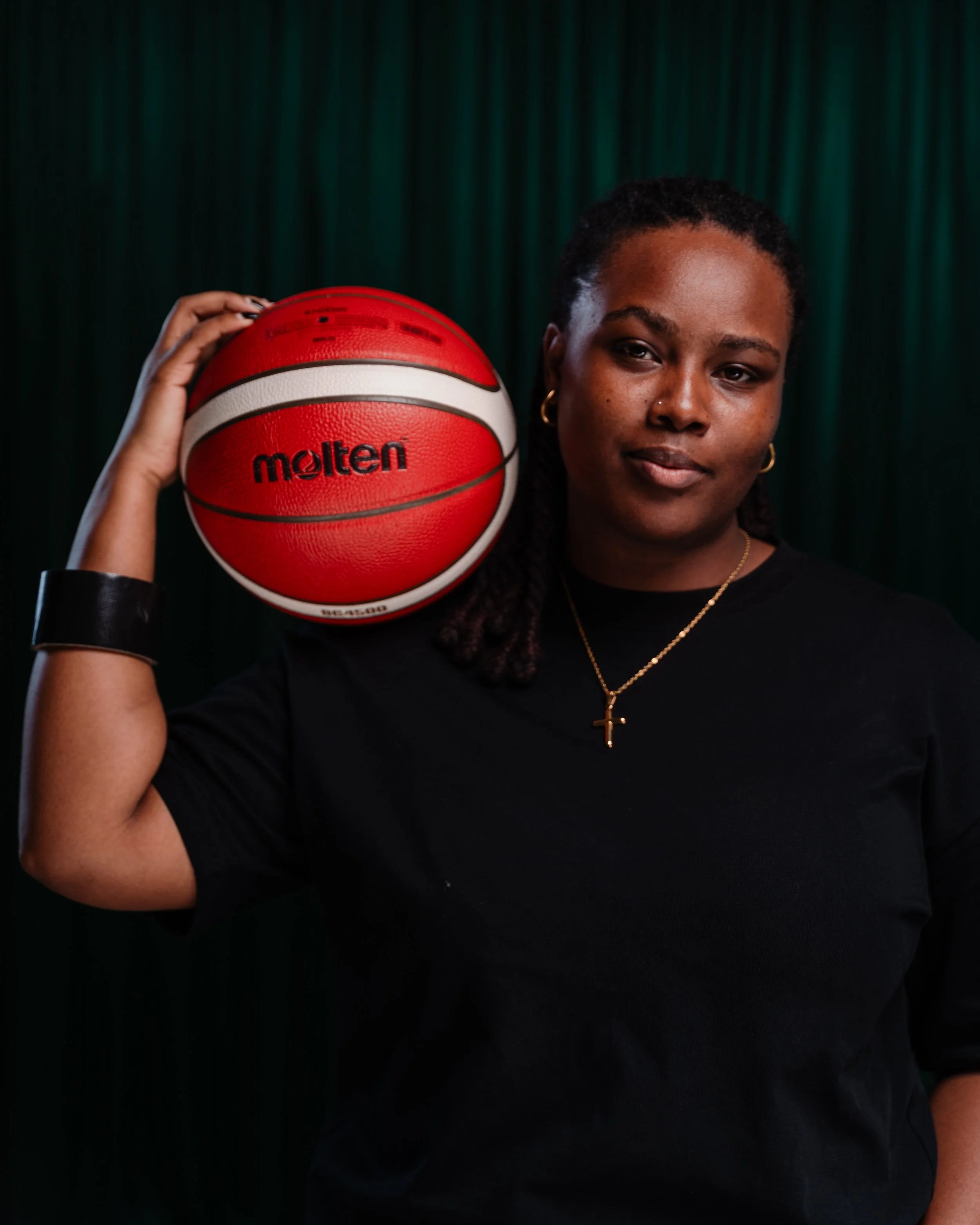
Featuring | Christianne Murengerantwari
Interview by Overseas | Filippo Libenzi
[Overseas] What are your earliest visual memories and feelings connected to basketball?
[Christianne Murengerantwari] “Funny enough, basketball wasn't something I grew up around or was particularly interested in. My entry into the Game was actually through photography. Back in 2022, I was looking for a new niche. At the time, most photographers I knew in Rwanda were focused on corporate work, weddings, events and studio photography. I couldn't really see myself in those spaces, and I wanted to find something different, something I could explore deeply and make my own. That's when I started looking into sports, and eventually chose basketball.
My first experience photographing a game was honestly a little confusing. Everything was happening so fast, and I wasn't used to photographing that kind of movement. Even though I didn't understand everything that was happening, I found the speed, movement and unpredictability of the Game exciting. There was always something happening, and I wanted to learn how to capture it. Initially, I was simply trying to take good pictures, capture beautiful moments and share images that people weren't seeing elsewhere.
I started ‘Rebound Realms’ around that time because I wanted to create a space where basketball players and fans could find photographs of the Game and have a community around that work. But the idea behind was always bigger than just sharing photographs.
I wanted to build an athlete-first storytelling platform, a place where athletes could be seen and heard beyond their performances on the court. I wanted to explore their identities, experiences, journeys and the things that make them who they are. That original idea has continued to shape how I think about basketball storytelling and what I want to create around the Game.
It took a couple of years, and a lot of experiences, for me to realise that I was looking for something much bigger than just taking good pictures.”
[O] How and why did the Game become part of your photography?
[CM] “In the beginning, I was trying to take good basketball photographs. I was learning the Game, understanding the league, getting to know the players and the people working in basketball. The more I experienced it, the more curious I became. By 2024, I started asking myself what else I could do beyond photographing the action. I was also noticing that more photographers were coming into basketball, which made me think about what I could bring that was different.
I don't particularly enjoy doing things just because everyone else is doing them. And at some point, I realised that I wasn't really creating; I was just photographing. That's when my approach started to change. I began paying more attention to the stories happening around the game, not just what was happening on the court.
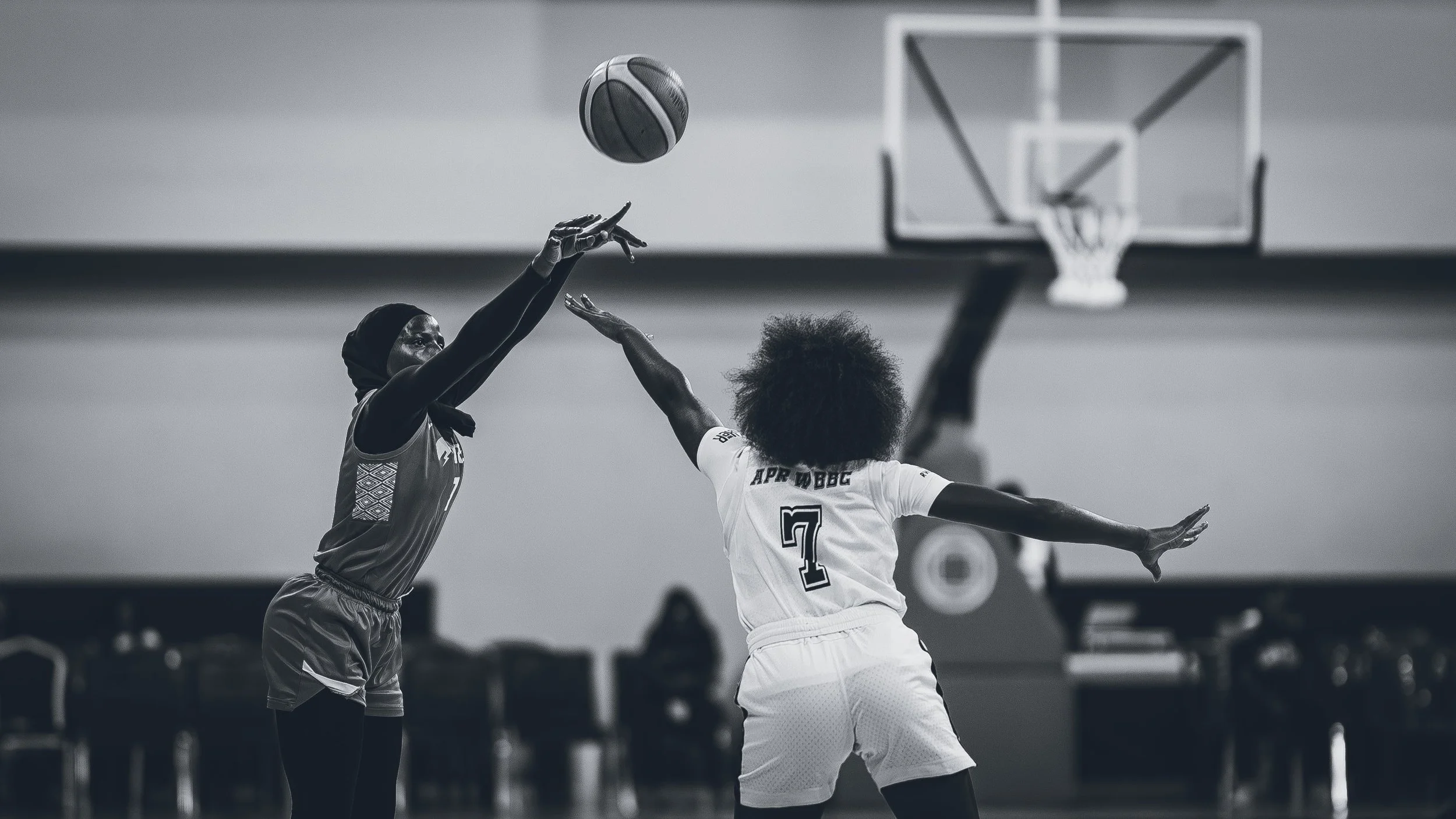
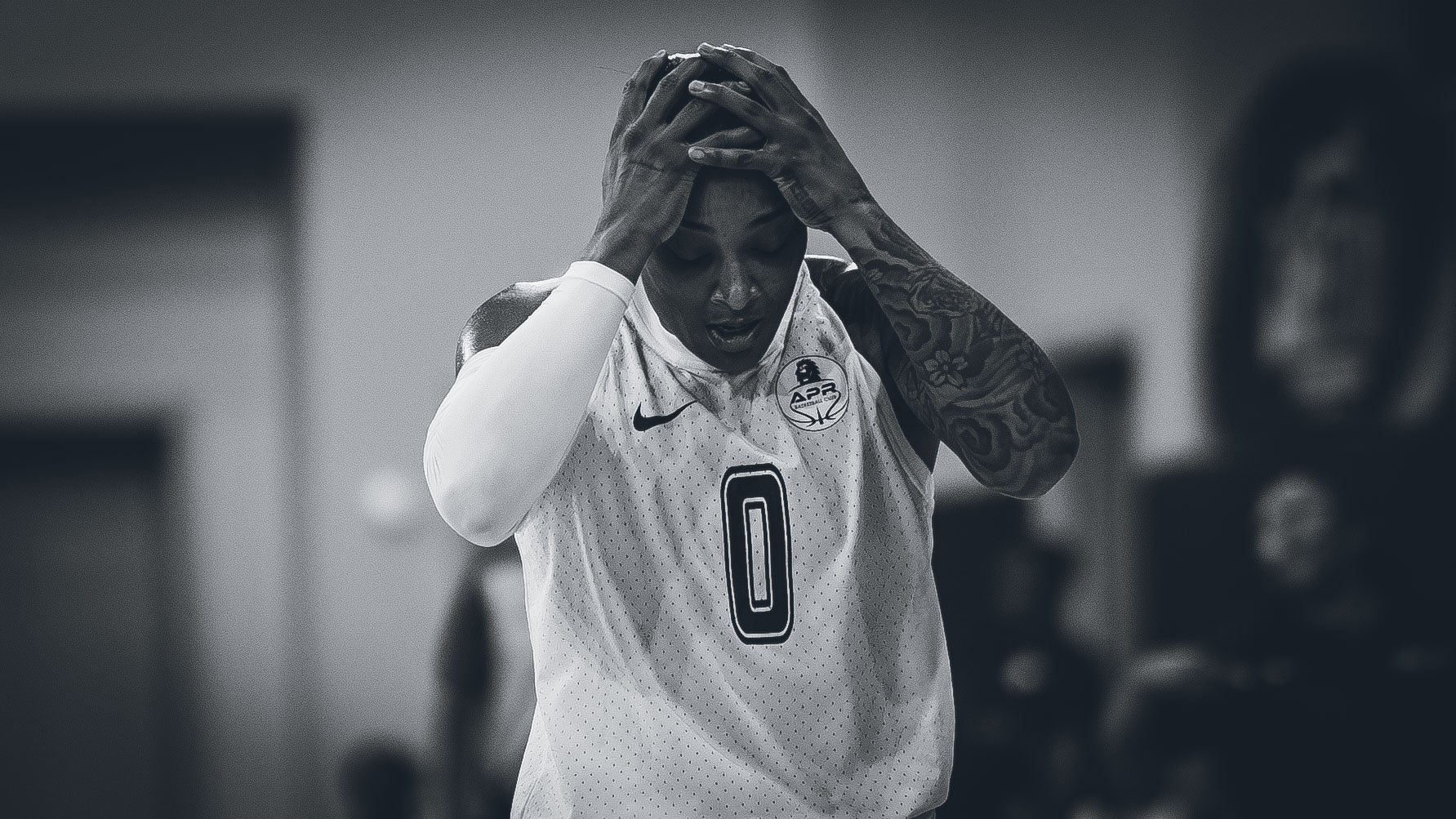
When a team won, I wanted to photograph the celebrations, not just the players scoring. I wanted to capture the fans, the people on the bench, team managers, team officials and families. I also wanted to show the other side: the disappointment of people whose teams were losing, the reactions, the screaming and all those little moments that make a game what it is.
I wanted someone who was watching the game to go home, look through the photographs and discover things they might not have noticed while they were there. I also wanted the photographs to reach people who weren't at the game at all.
To look through the images and feel as though they had been there, experiencing the atmosphere, the emotions and everything happening around the court. That's how I moved from simply taking basketball photographs to telling basketball stories. And somewhere along that journey, I found my place in the Game.”
[O] What details, shapes or subjects do you look for when photographing basketball?
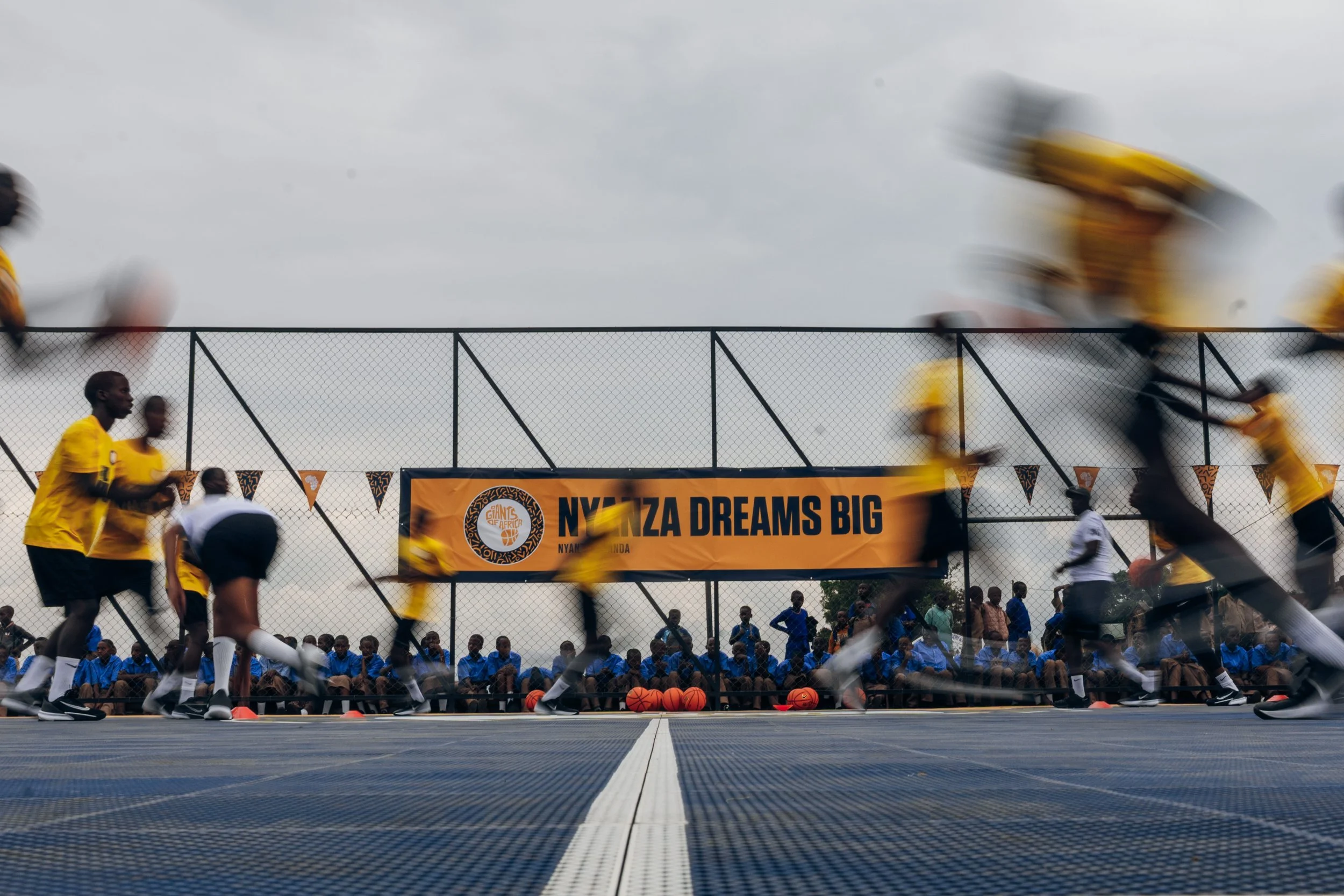
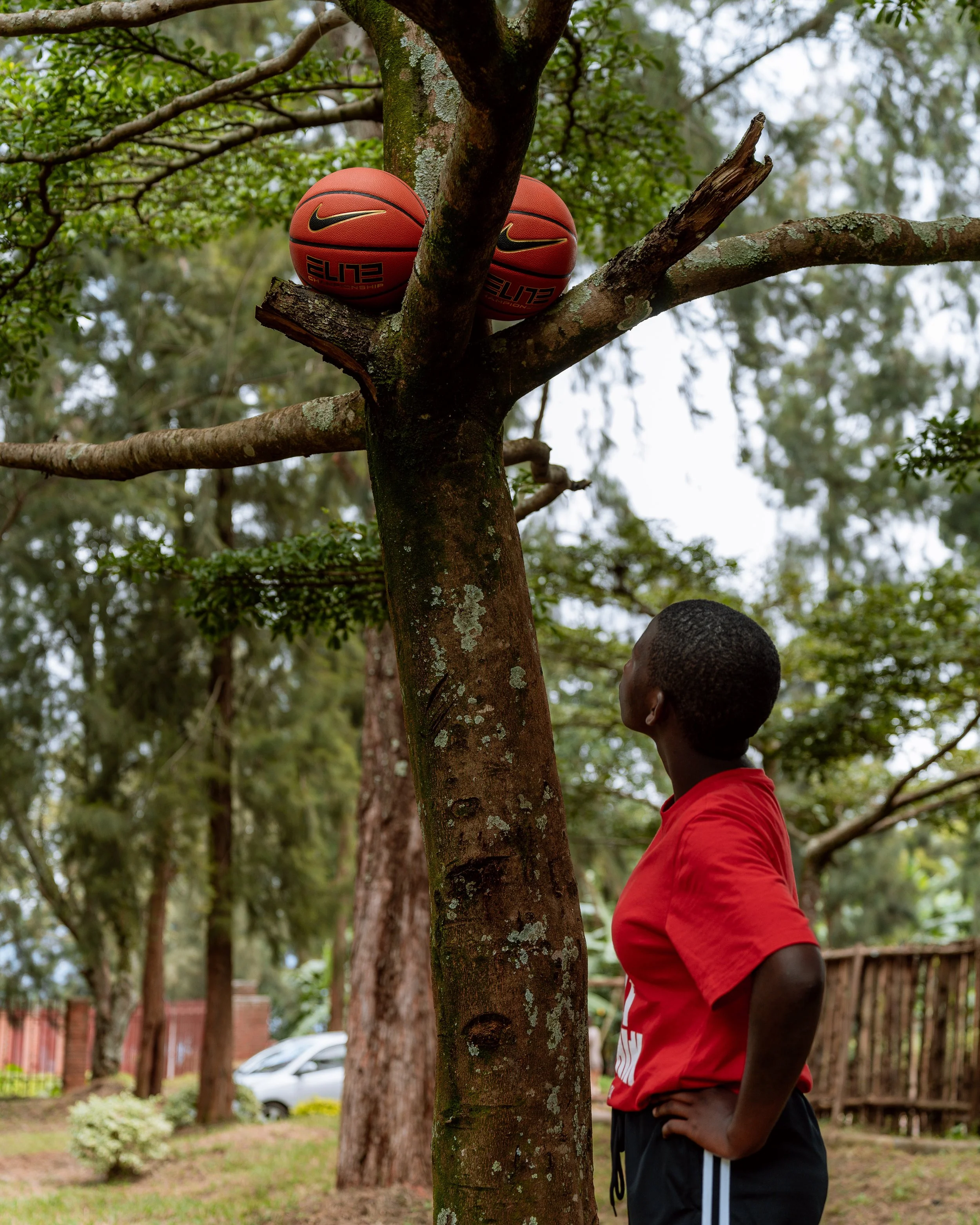
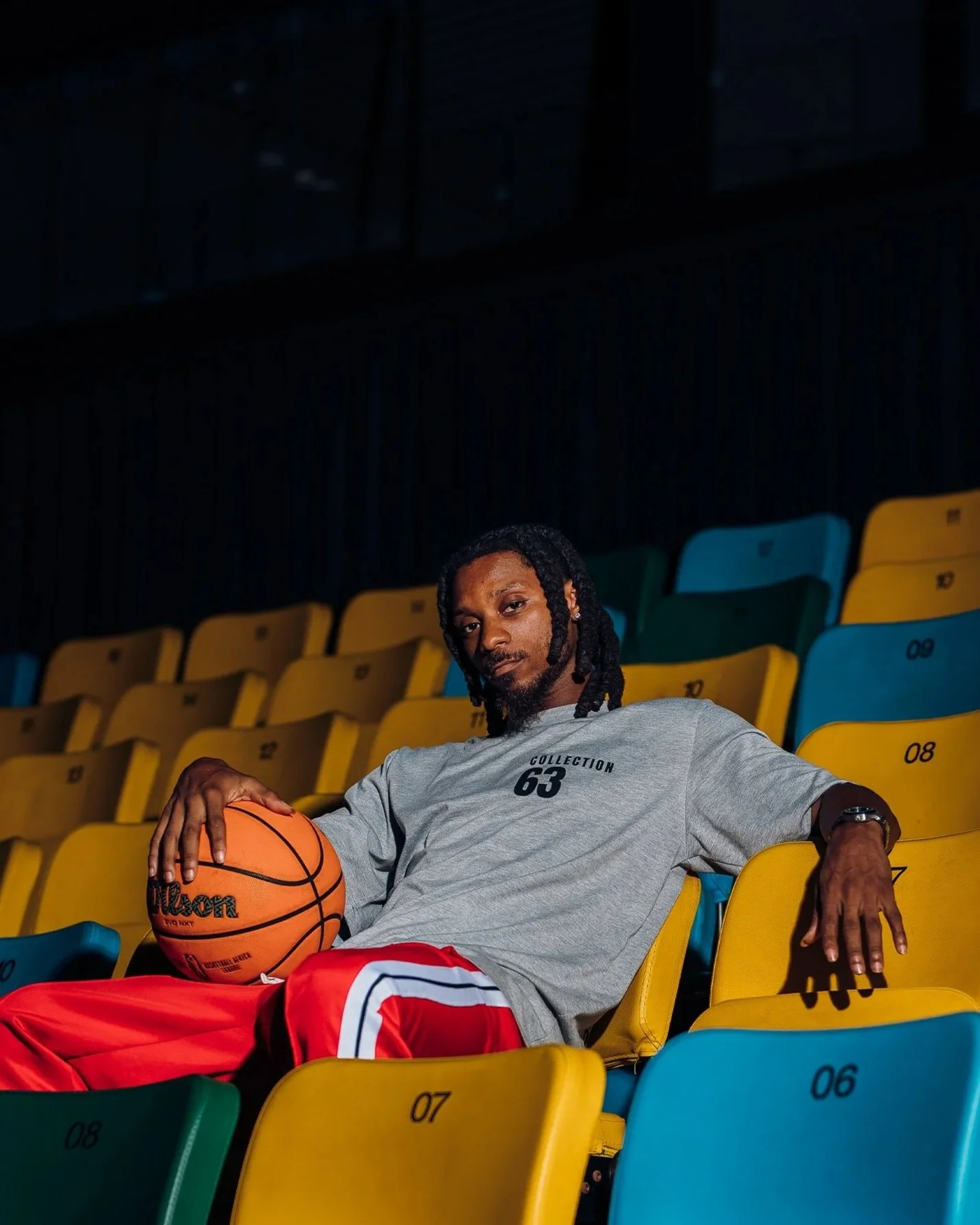
[CM] “I love details. I honestly think sports is so much about details, and we sometimes overlook them because we're too focused on the action or the final score. Basketball isn't just about who scores the most points. There is so much more to the people on the court. The shoes they wear, the tattoos they have and the stories behind those details. Sometimes a tattoo represents something deeply personal to them. There are little things that tell you something about the person beyond being an athlete.
I'm particularly drawn to emotions. The interactions between players, players and their coaches, teammates celebrating or encouraging each other, the expressions, body language and even the families sitting court side.
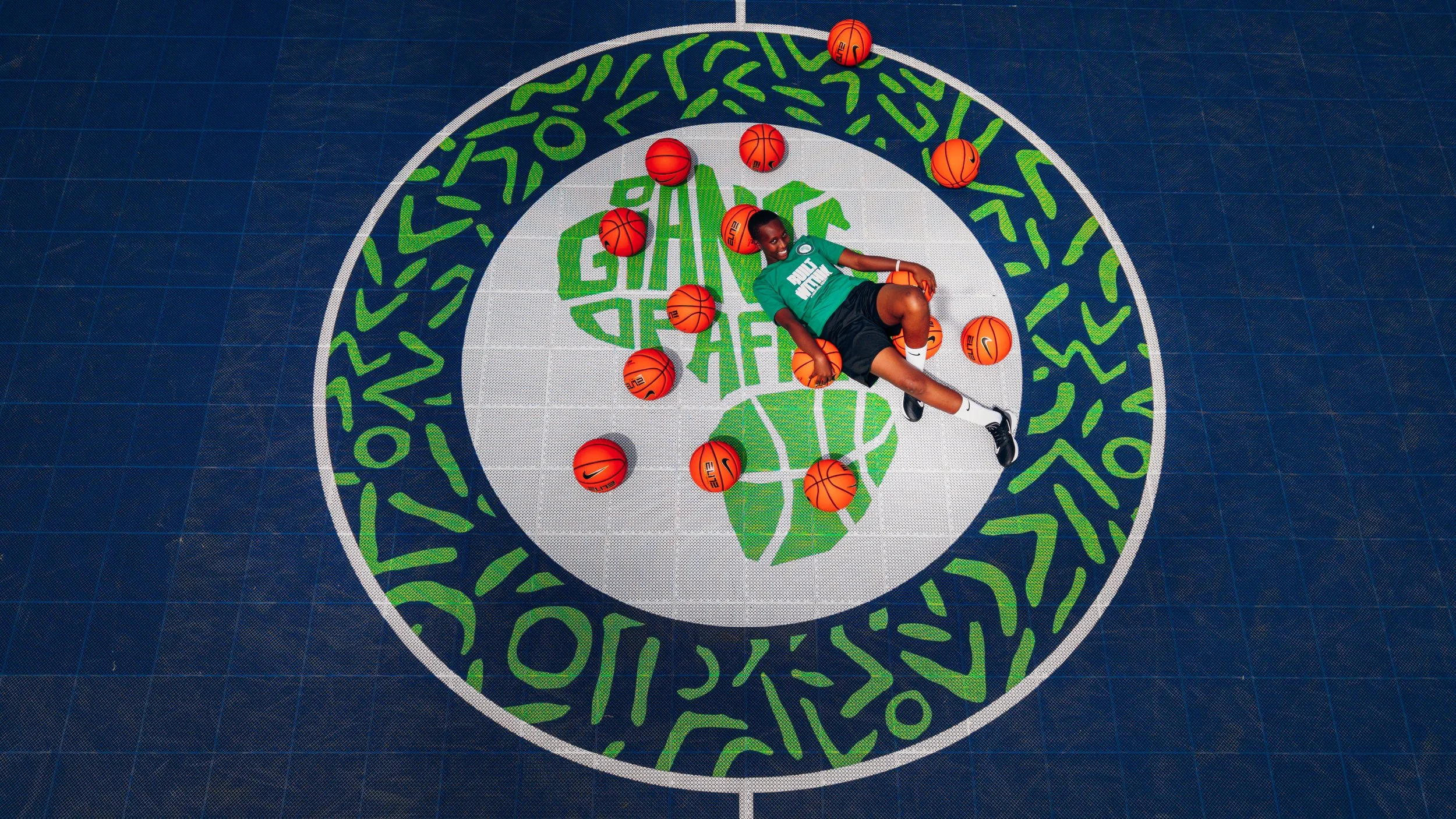
I also pay attention to the crowd, the environment and the details of the court itself. I love seeing how different courts look, especially when I travel. Sometimes the court can tell you a lot about the community around it.
I like exploring different angles. If I see several photographers working from one particular corner, I'll naturally look for another perspective. I don't want to come back with exactly the same photographs everyone else has.I love the action and movement, of course, but I also want to capture the things people might not immediately notice.”
[O] What emotions does basketball allow you to feel and photograph that you do not find anywhere else?
[CM] “This is probably one of my favourite things about working in sports. I can work on other projects and be happy because I'm doing something I enjoy and earning a living, but my happiness when I'm working on a sports project is different.
I genuinely feel like I belong there. Basketball gives me access to so many emotions: competitiveness, joy, frustration, vulnerability, pride and belonging. Sometimes all of them happen within the same game.
Something that really inspires me about basketball is teamwork. You have people who may never have known each other before, who grew up in completely different places and only met as adults. Yet they have to come together, understand each other and work towards the same goal. Five players can be on the court representing an entire team, but behind them there are so many other people who are part of that journey. It's not just the players. You see people who don't know each other coming together to support the same team. They celebrate together, experience disappointment together and sometimes leave as friends. That's something I find fascinating.
Basketball has taught me a lot about having a common goal, focus, trust and working with other people even when you're all different. And as a photographer, I get to witness and document those connections in real time. There's something about the way sports brings people together that keeps me coming back.”
[O] What is the most fascinating hoop, court or basketball subject you have ever encountered?
[CM] “I think some of the most fascinating basketball experiences I've had are the ones that completely changed how I understand what a basketball court can mean to a community. One that immediately comes to mind is my work with ‘Giants of Africa’ in Ghana, where I photographed the unveiling of a basketball court at a school for students with hearing disabilities proving that the power of sport knows no boundaries. Seeing those children so happy to have a basketball court at their school was something special.
But what stayed with me even more was watching the coaches and other people around them learn how to communicate with the students so they could share their knowledge and experience with them. It was a reminder that basketball can create opportunities for people who might not always have access to them.
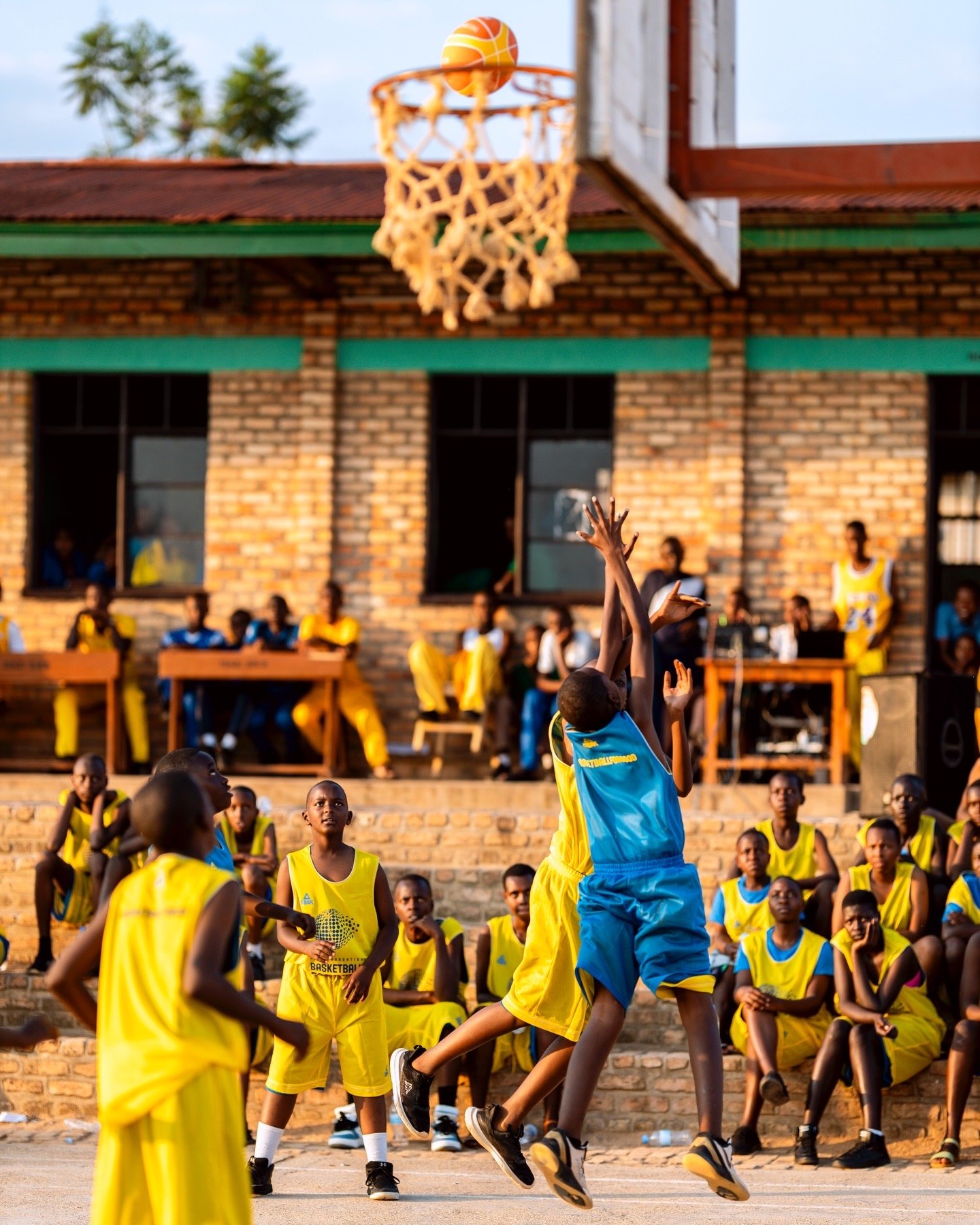
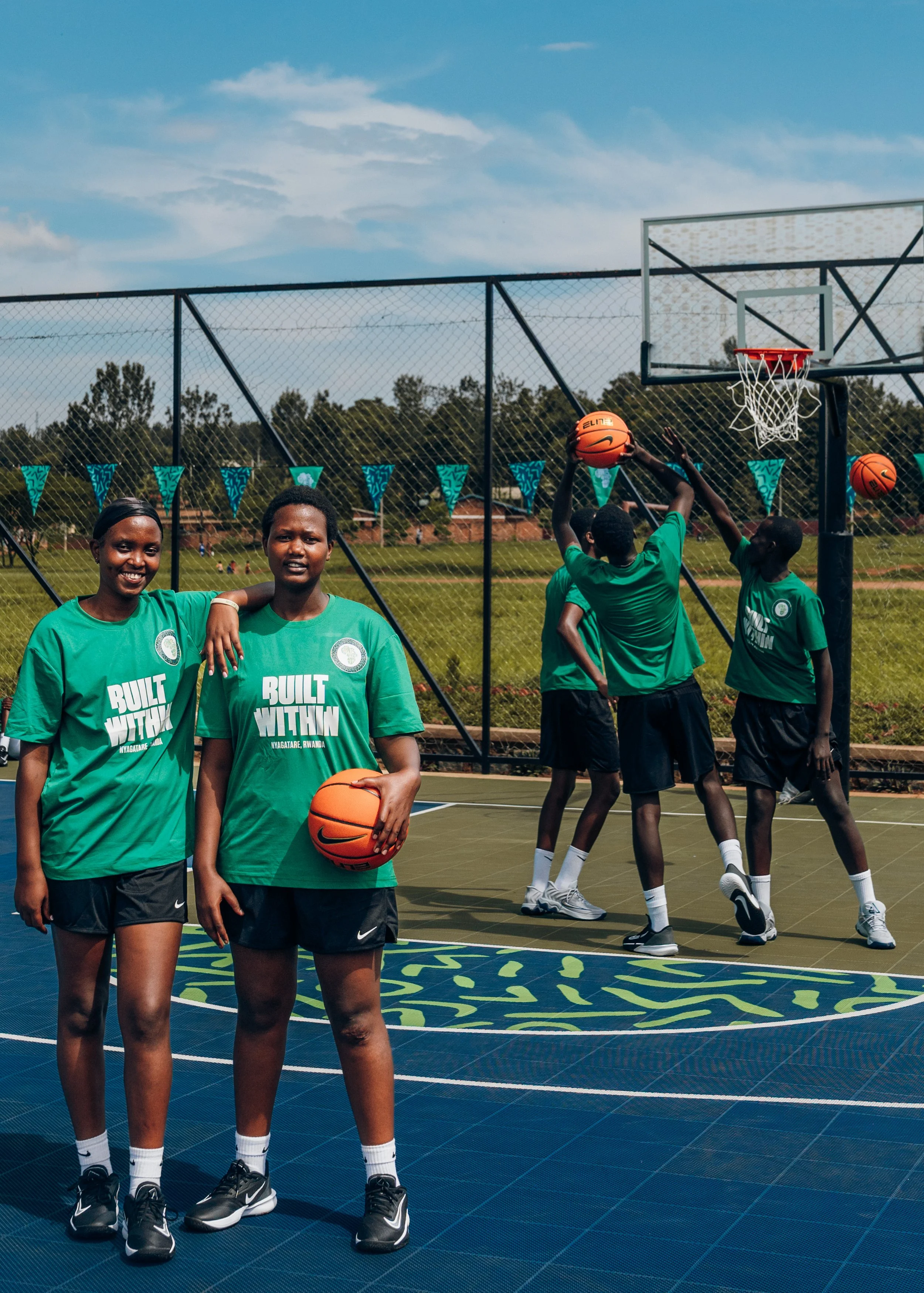
Another experience that means a lot to me is my work with ‘Shooting Touch’ in Rwanda. It's an international non-profit organisation that uses basketball to promote health, gender equality, and the empowerment of young people and women.
What fascinated me there was seeing how basketball involved everyone. You could see women around my grandmother's age playing, and others coming to support their children and grandchildren. It wasn't just about athletes or people pursuing professional basketball. It was an entire community participating in the Game in different ways. Those experiences made me realise that everyone can be part of basketball.
You don't have to be a professional player, and you don't even have to be young to belong on a basketball court. I think that's one of the most beautiful things I've experienced through the Game.”
[O] In what ways do your country of origin and your cultural roots shape the way you understand basketball?
[CM] “Coming from Rwanda and working within African basketball has naturally influenced the stories I'm drawn to.
Growing up in Rwanda also means witnessing how a country continues to build, connect and create opportunities. I've watched basketball become part of that development, bringing people together, creating opportunities and placing Rwanda in international sporting spaces.
Seeing that growth as a young photographer has influenced the stories I want to document.
I'm interested in seeing African basketball beyond the usual narratives. There's so much happening across the continent, and so many different people, backgrounds and experiences that deserve to be documented.
I want my work to reflect that diversity and complexity. Not every African basketball story is the same, and I don't think our stories should always be told through the same lens.
For me, it's important that the people and communities I photograph are represented with individuality and context, rather than simply becoming part of a bigger narrative about African basketball.”
[O] How has basketball helped you discover and understand other places and the different communities you have photographed?
[CM] “Basketball has given me opportunities and taken me to places I honestly never imagined visiting through photography. I've travelled to Ghana, Mali, Ethiopia, Guinea, Sierra Leone and Senegal because of basketball. Six countries in one year, all through the Game. When I think about that, I realise just how much basketball has opened things up for me. It's taken me into spaces and introduced me to people I might never have encountered otherwise.
Every place has taught me something different. I've learned that you cannot approach every community with the same perspective. You have to take the time to observe, listen and understand the people you're photographing. You might be going somewhere to document a basketball project, but once you're there, you discover so much more than the Game itself. You learn about people's everyday lives, their communities, their challenges and what basketball means to them.
In many ways, basketball has become a way for me to discover places through the people who live there. And I think that's one of the things I appreciate most about what I do. The camera gives me a reason to be there, but the people are what make the experience meaningful.”
[O] What do you hope to contribute to basketball culture through your lens?
[CM] “I want to contribute to how basketball stories are documented, remembered and represented, particularly across Africa. For me, storytelling is also about helping people experience moments they might have missed. Sometimes it's someone who was actually at the game but was so focused on the action that they didn't notice what was happening around them. Other times, it's someone who couldn't be there at all.
I want them to look at my photographs and feel like they were part of that experience. I want them to see the energy, the emotions, the celebrations, the disappointments and all the little things that made that particular game special.
I also want to give visibility to people and communities who don't always get the opportunity to be seen. My experiences with projects like ‘Shooting Touch’ and ‘Giants of Africa’ have reinforced how important that is to me. This is also where the original vision for ‘Rebound Realms’ comes in. I want it to be more than a place where people find basketball content. I want it to be a platform that puts athletes first and tells their stories beyond their performances. Their identities, cultures, personal journeys and experiences deserve attention too.
I want to contribute to building a basketball culture where athletes are not only celebrated for what they achieve on the court, but also recognised for who they are beyond it. Ultimately, I want to create work that people can connect with, recognise themselves in and return to years later. I want the photographs to mean something beyond the moment they were taken.”