Discovering Seoul, One Hoops at a Time
French photographer Naël Boudabbous traces Seoul’s hidden courts, its culture, and the unexpected ways basketball shapes the city.
Interview by Overseas | Gianmarco Pacione
Photography by Naël Boudabbous
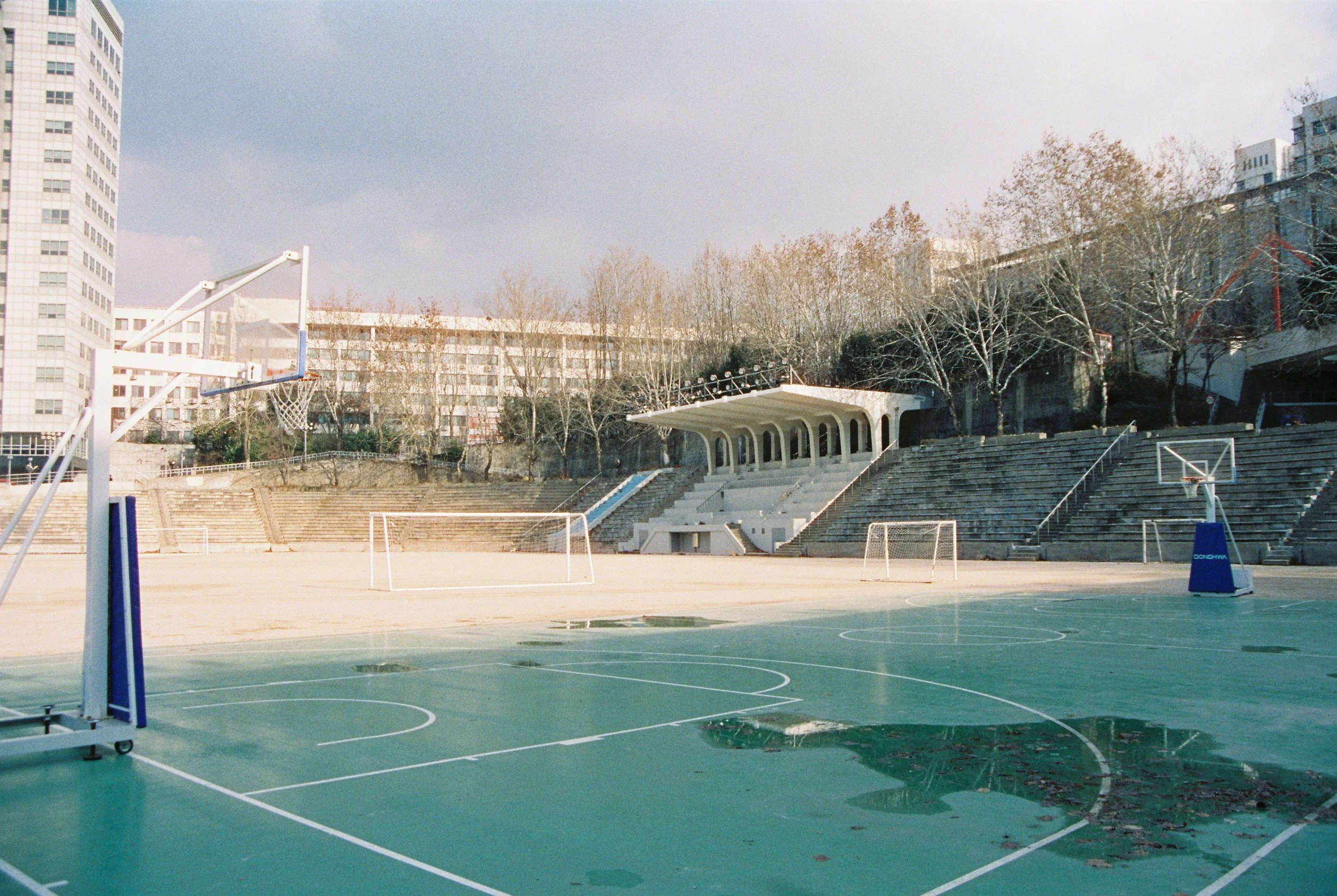
Basketball isn’t always the headline in Seoul. It lives in the margins—between university buildings, under winter branches, beneath neon signs in old industrial districts. For French photographer and lifelong hooper Naël Boudabbous, that subtle presence was enough to turn a simple trip into a visual exploration of the game’s place in South Korean culture.
In this conversation, Naël tells us how basketball has shaped his life, why photography naturally gravitated toward it, and what he discovered while wandering through one of Asia’s most vibrant cities. What follows is both an interview and a travel diary: a story of courts, encounters, and the quiet beauty of finding basketball where you least expect it.
[Overseas] How did you first encounter basketball, and what role does it play in your life?
[Naël Boudabbous] I come from a family where everyone plays basketball, so the sport appeared very early in my life—there was never one defining moment or a clear “first encounter.” I simply followed the family rhythm, and I connected with it instantly.
Basketball has always held a central place in my life, from childhood until now. It goes far beyond athletic practice. My daily life has always been shaped by it: regular training sessions, weekend games, hours on the playground, watching games on TV, music, video games, and all the people I’ve met along the way. Basketball has guided me in a positive way and became a framework for my life, bringing me a social and cultural richness that shaped who I am.
[O] How did photography find its place within your relationship with basketball?
[NB] I started getting interested in basketball culture in middle school. I was a huge fan of sports documentaries, and I remember two films that deeply shaped the way I see the game.
The first was Doin’ It in the Park by Kevin Couliau & Bobbito Garcia, dedicated to the history and culture of New York streetball.
The second—one of the most beautiful sports documentaries ever made, in my opinion—was ESPN’s Once Brothers, which tells the story of the friendship between Vlade Divac and Dražen Petrović at a time when Yugoslavia was still unified, though increasingly tense.
Those powerful images made the child I was dream, and I always had the desire to travel the world and capture images of our sport.
As I grew older, I had the chance to travel, and that’s when I developed a passion for photography. Any excuse was good enough to bring me closer to basketball, so combining the two passions felt completely natural. That’s how photography found its place alongside basketball in my life.
[O] You didn’t come to Seoul intending to look for basketball, yet you were drawn to its hoops and culture. Why is that?
[NB] It’s true—I planned this trip quite late, and my initial goal was simply to discover the city. Unlike countries such as the U.S., Greece, or Serbia, basketball isn’t the first thing you think of when you think of South Korea.
But to be honest, I can never fully disconnect from basketball. On my first day in Seoul, I stumbled upon a court by chance, and that sparked my curiosity about the place basketball holds in the city. It turned out to be a beautiful discovery.
[O] What kind of story are we about to dive into, and what do you hope to spark in the reader?
[NB] We’re about to travel through Seoul through the eyes of a basketball player—from playgrounds to city streets, all the way to professional basketball. It’s not just a story about a ball, but about perspective: how a sport can become a gateway into a culture, and a pretext to listen to what cities have to say.
The idea was to highlight how seamlessly basketball blends into the urban landscape all around the world.
I also want to acknowledge the beautiful work you’re doing with Overseas, shining a light on basketball culture. Many thanks!
On December 26th, 2024, I flew to Seoul with the simple intention of exploring and photographing this fascinating city. But during the trip, the call of the basketball hoops was too strong, and I took the opportunity to capture a few fragments of South Korean basketball.
Stage 1
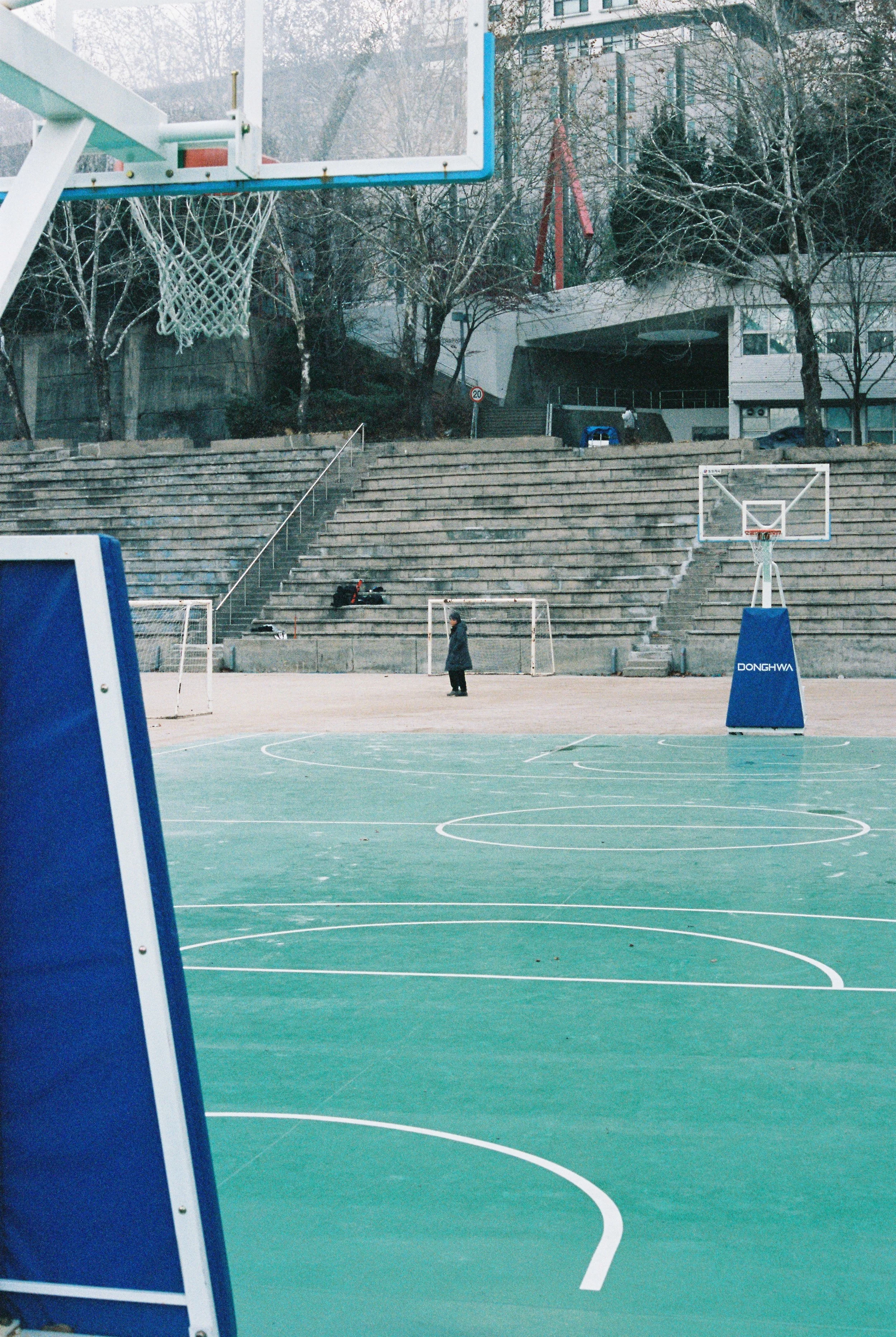
First of all, it was in schools and universities that I caught my first glimpse of these courts. A common feature across many Asian countries is the quality of their sports facilities: clean nets, great hoops, beautifully marked lines...everything makes you want to play. On my way to visit a museum, I came across this lovely middle-school courtyard with its three basketball hoops lined up side by side.
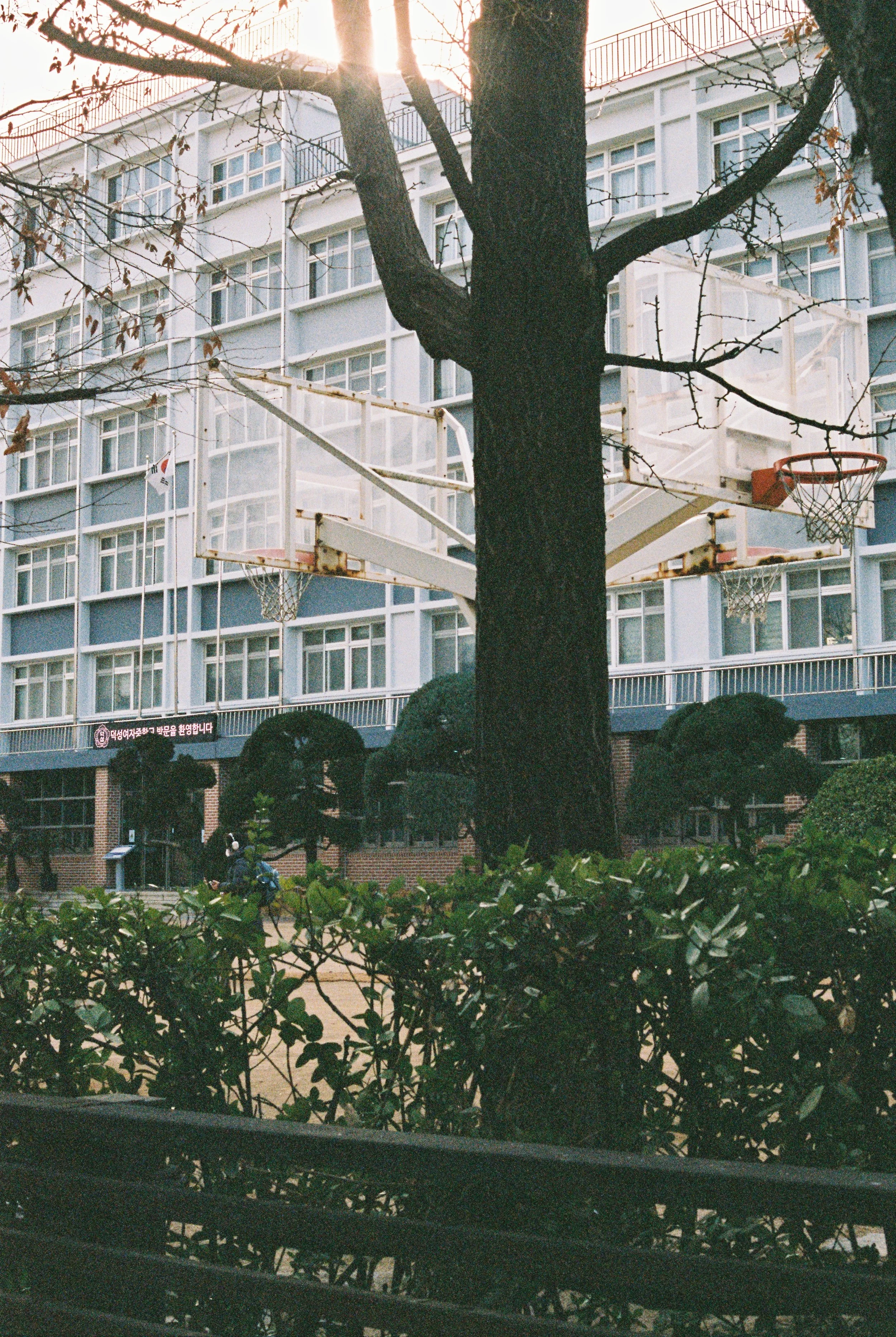
A stop at Hongik University. In the middle of winter, it’s not easy to find any hoopers, but the place is peaceful. In spring, with the trees in full bloom, this court must look even more beautiful!
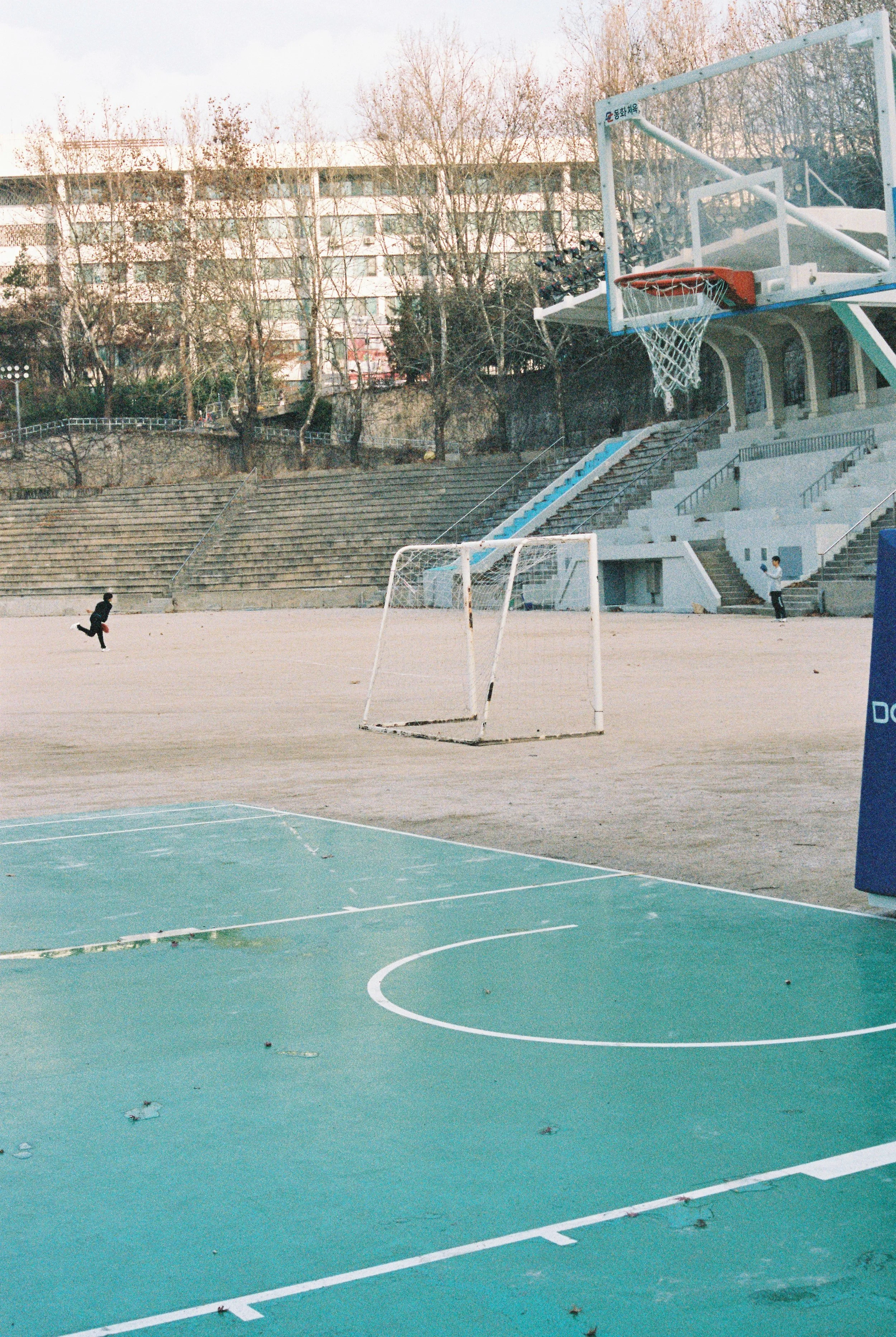
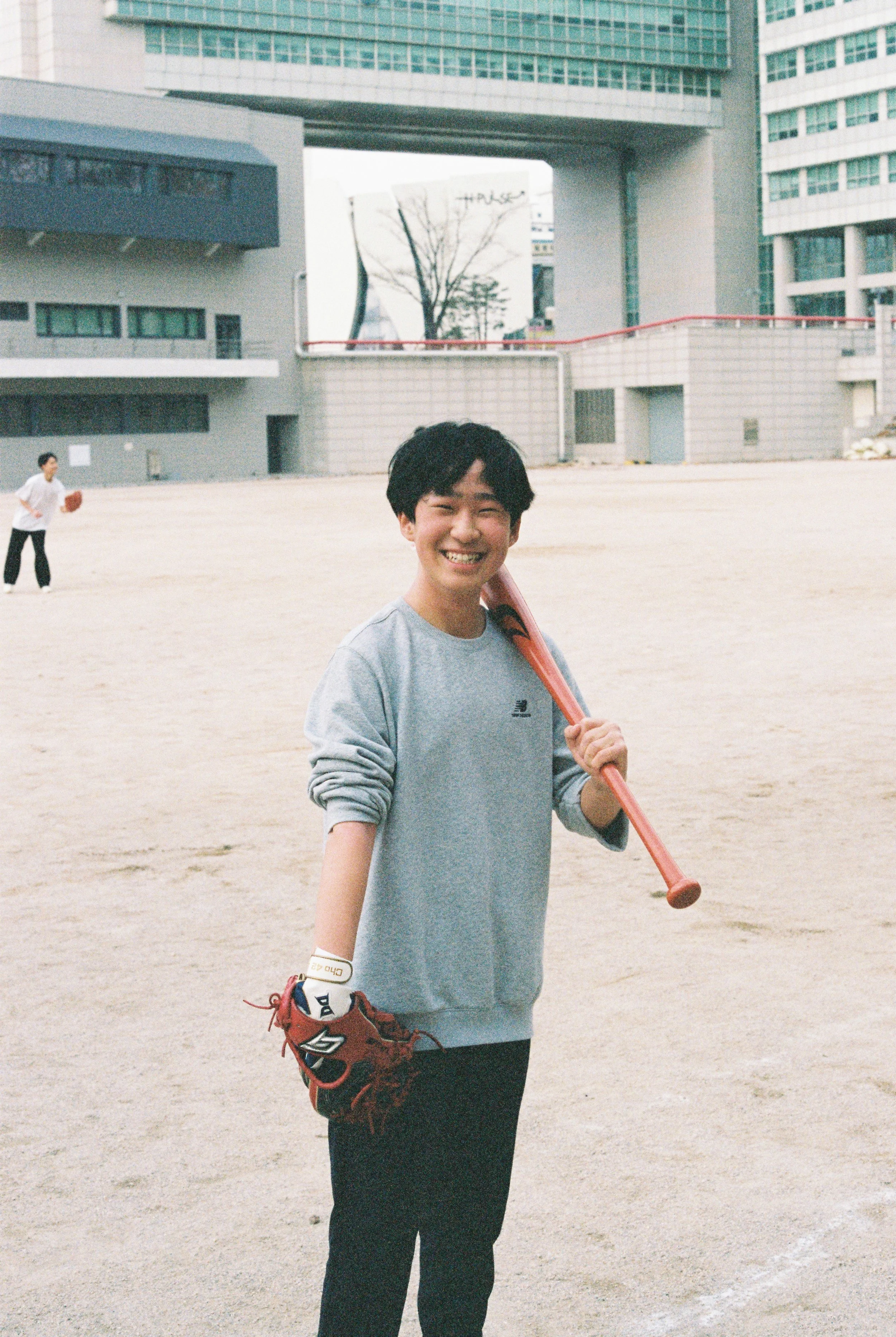
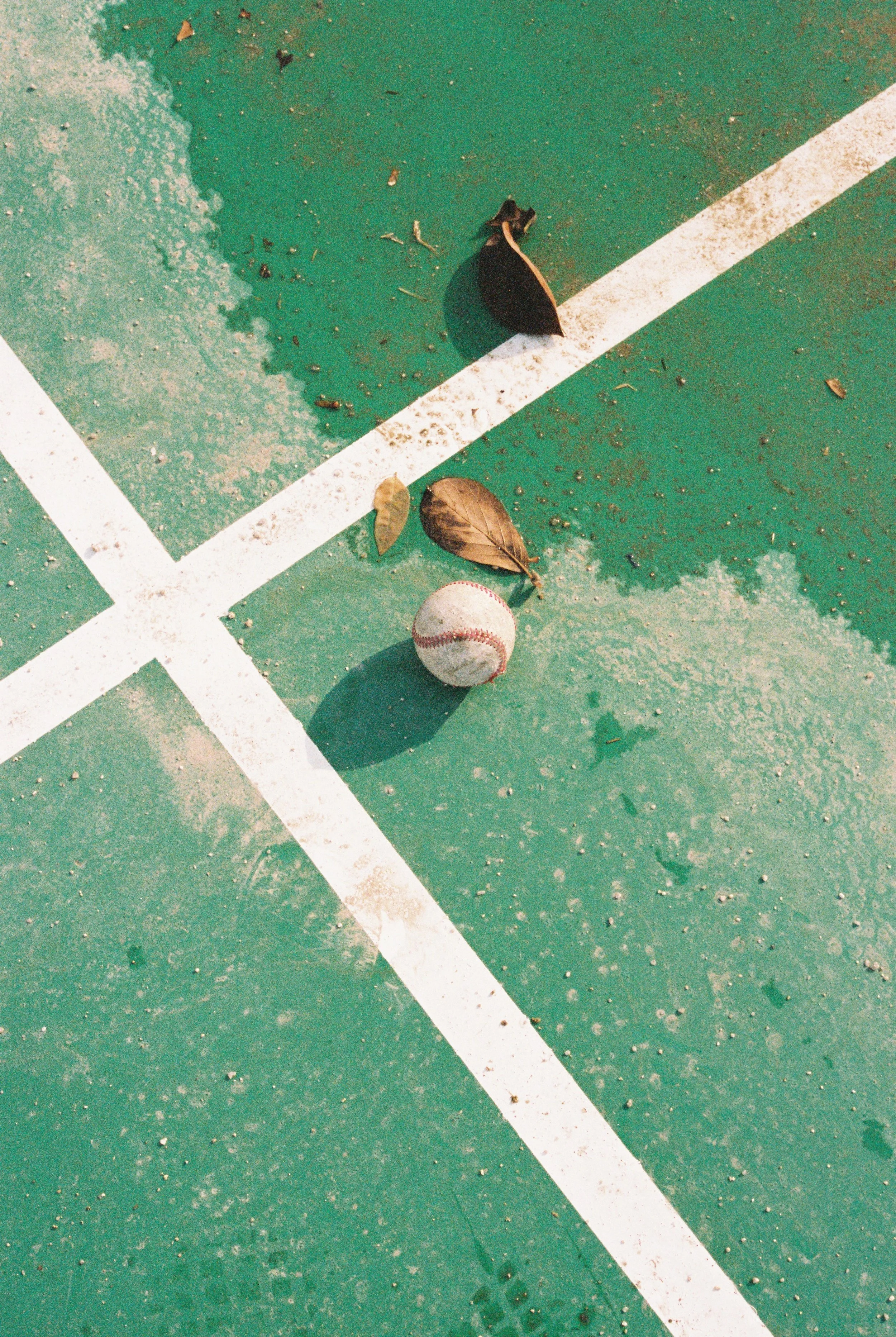
Despite the absence of hoopers, I still came across some brothers in sport...a few young guys playing baseball. One of their balls landed on the basketball court, giving me the chance to capture a beautiful connection between our two sports.
Stage 2
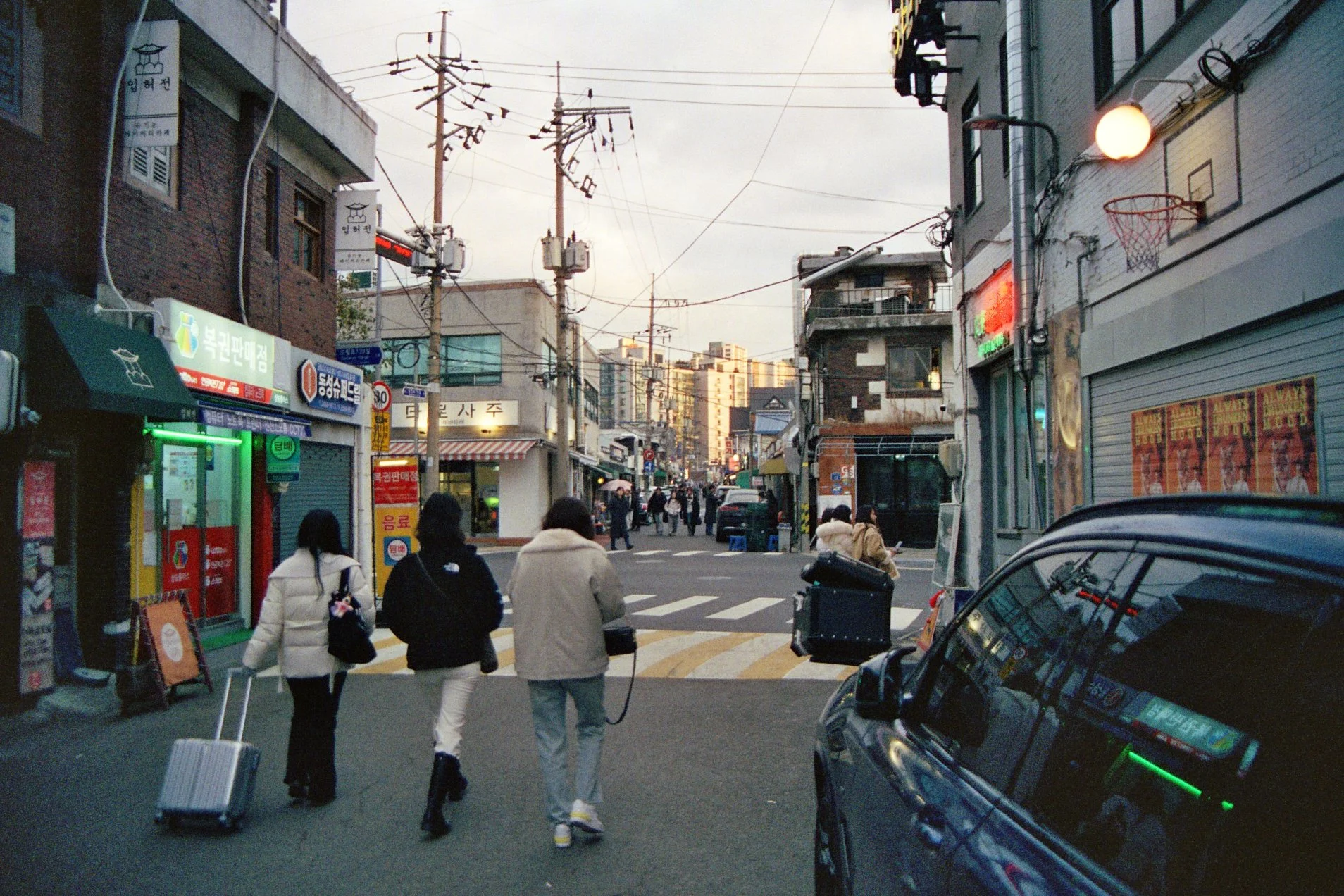
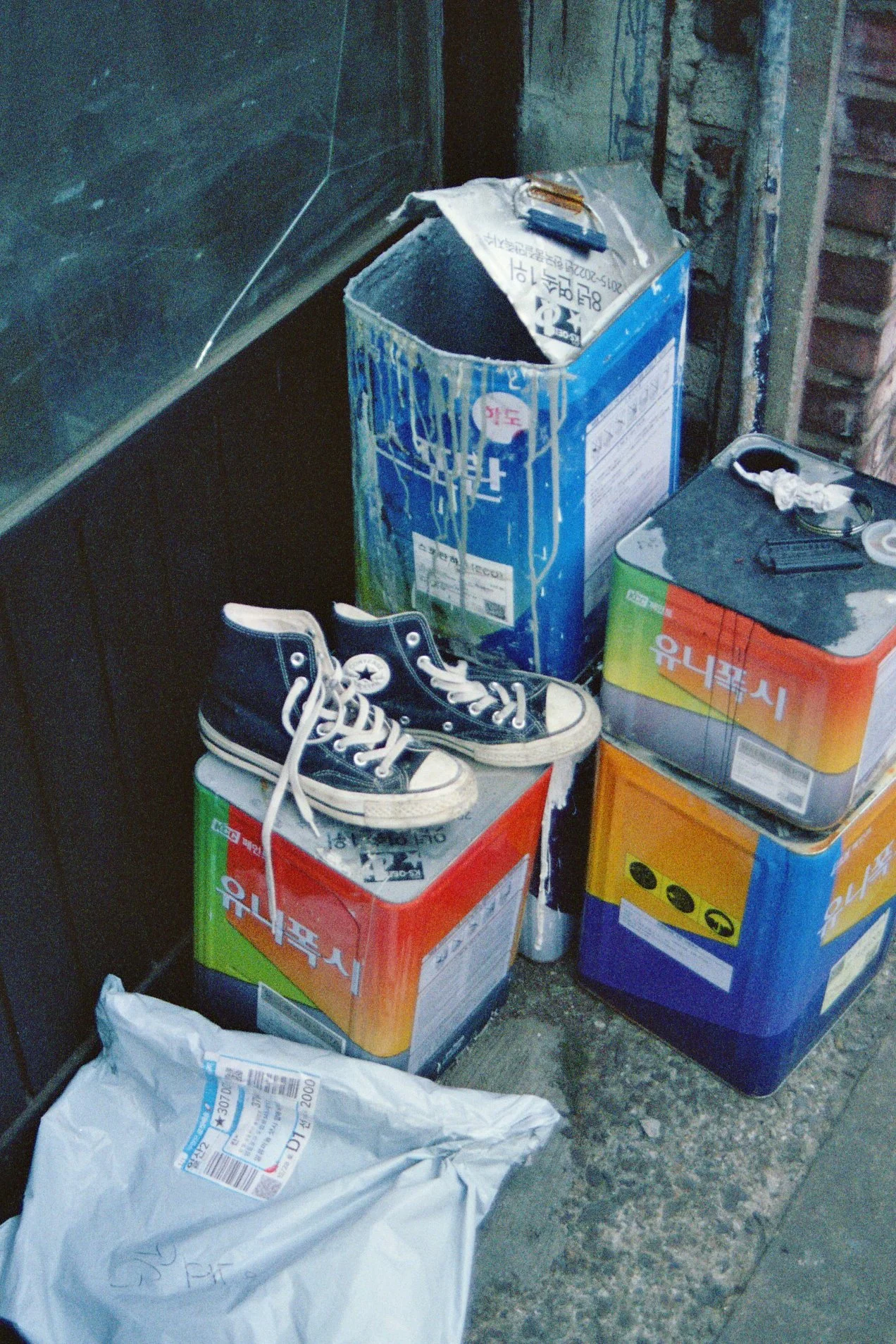
Happy to have found basketball in this city, I kept exploring, this time with a more attentive eye, especially as I arrived in the Mullae district. Mullae (물레동), located in Seoul’s Yeongdeungpo district, is a former industrial area that has transformed into a vibrant hub of artistic creation, loved by fans of underground culture, photography, and street art.
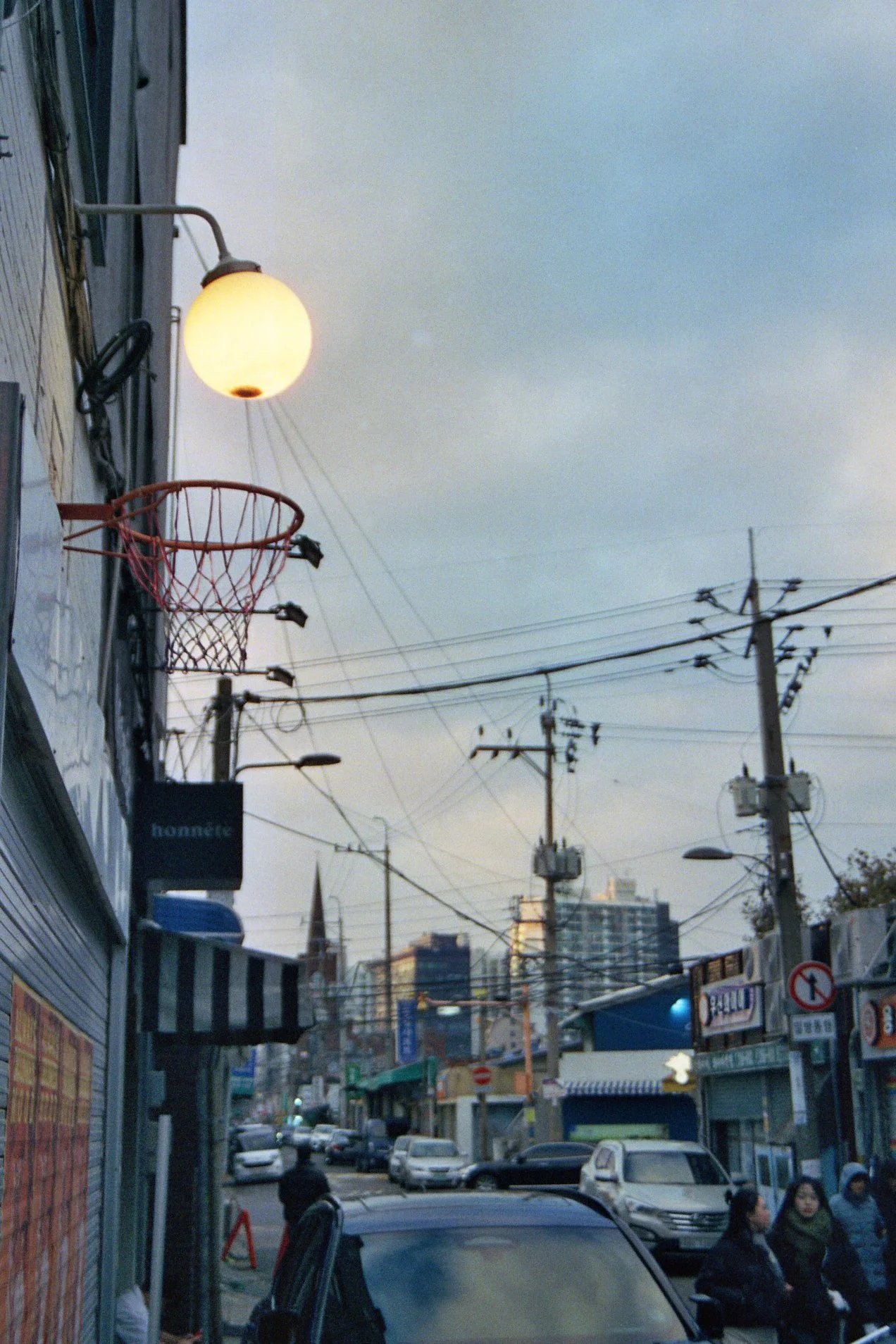
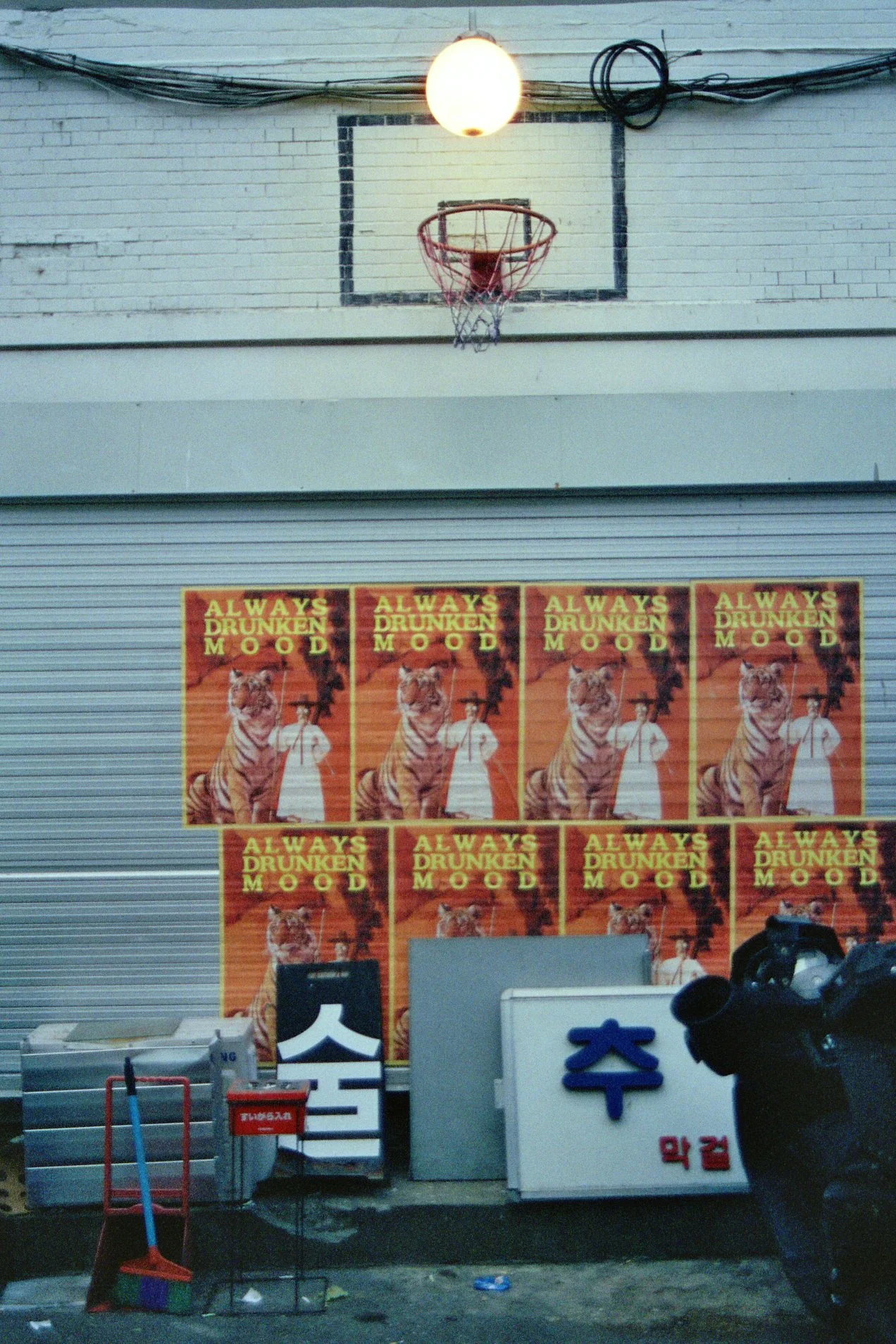
This street was a kind of symbol of that spirit. By chance, I stumbled upon this hoop placed right beneath a light that looked almost like a floating basketball. A beautiful example of the cultural richness of basketball, a sport that blends seamlessly and elegantly into the urban landscape.
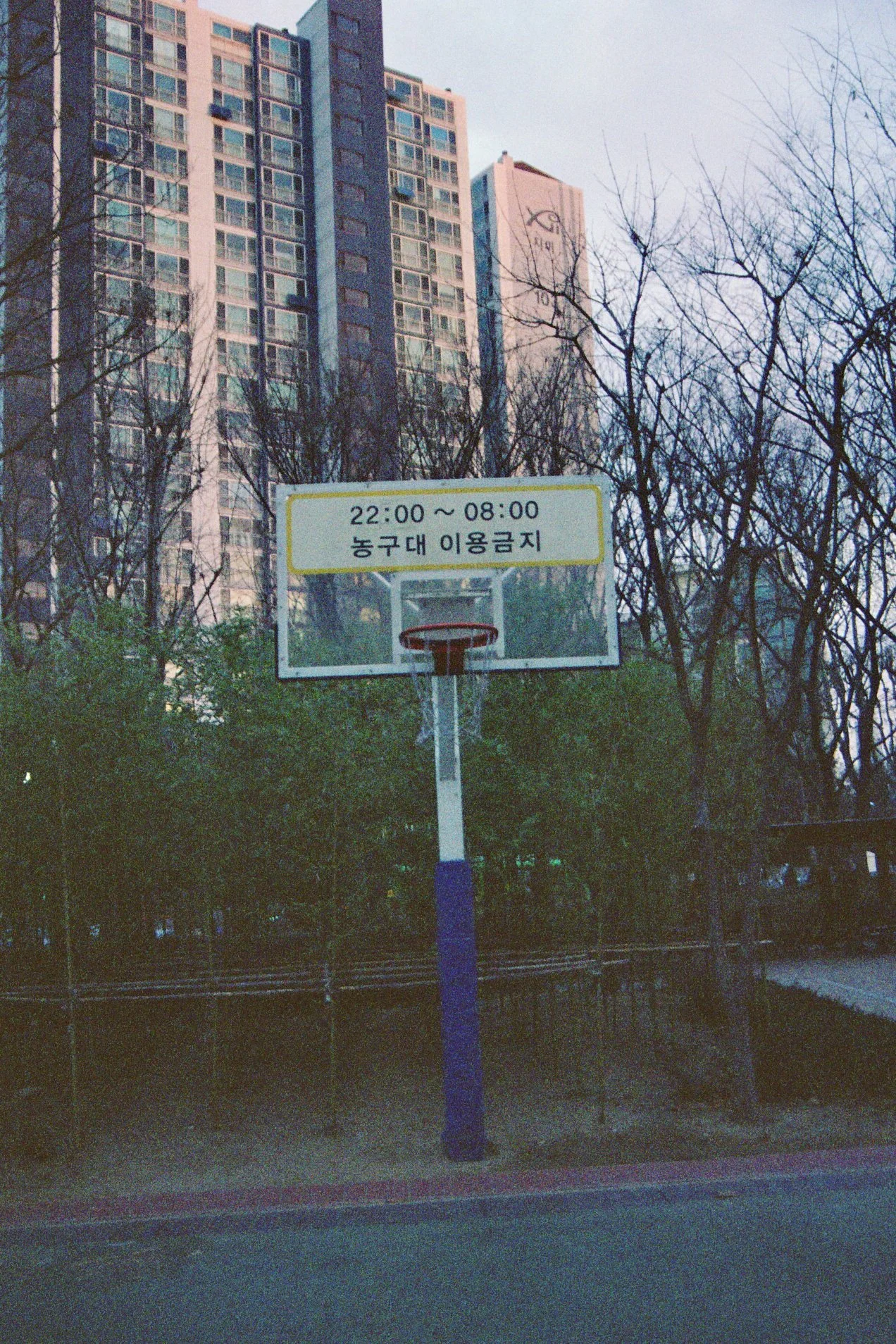
As I was leaving the neighborhood, I found this court with an original message:
« 22:00 ~ 08:00 농구대 이용금지 »
“Using the basketball hoop is prohibited from 10 p.m. to 8 a.m.”
This court, with this sign, perfectly reflects the good manners and consideration of South Koreans.
Stage 3
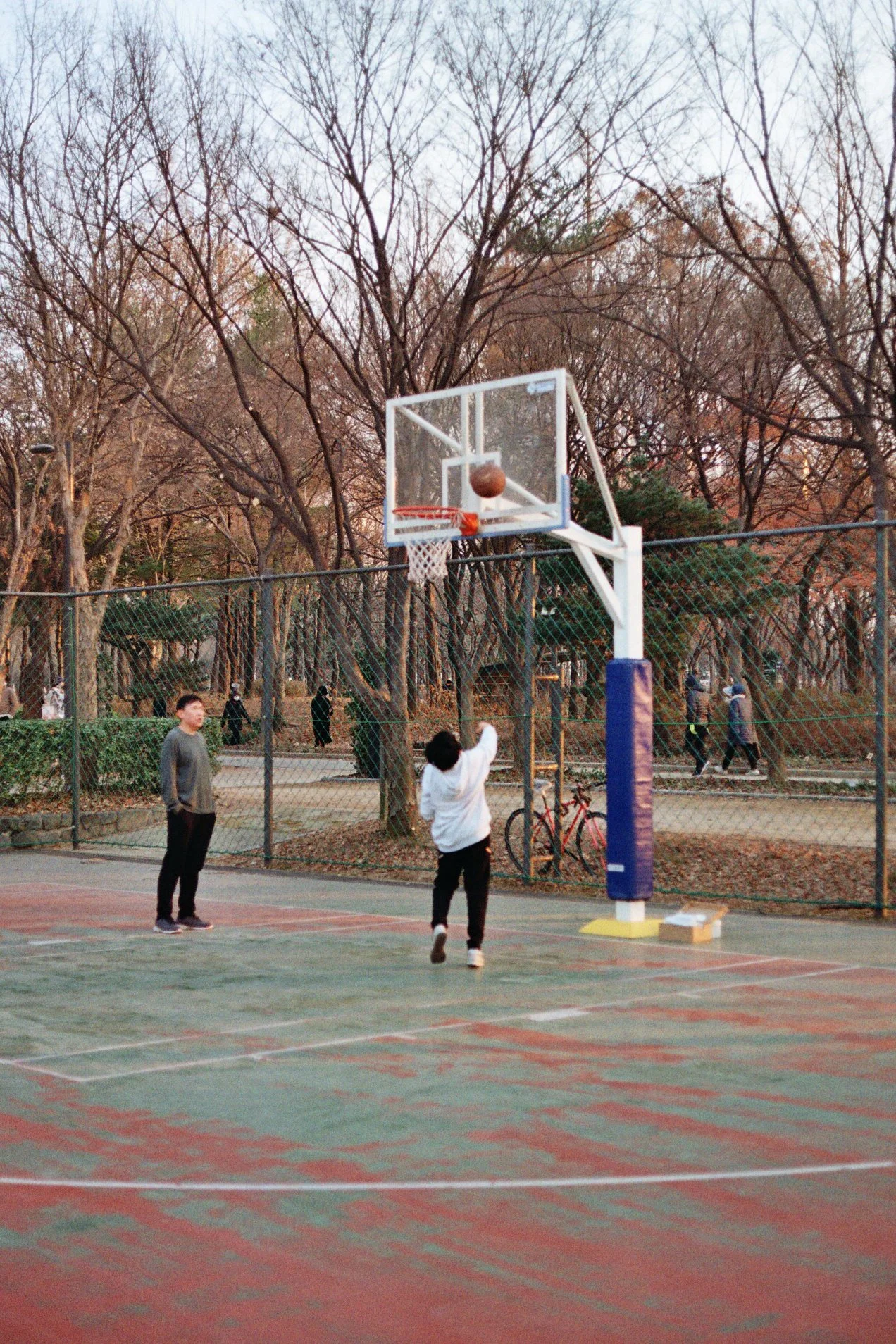
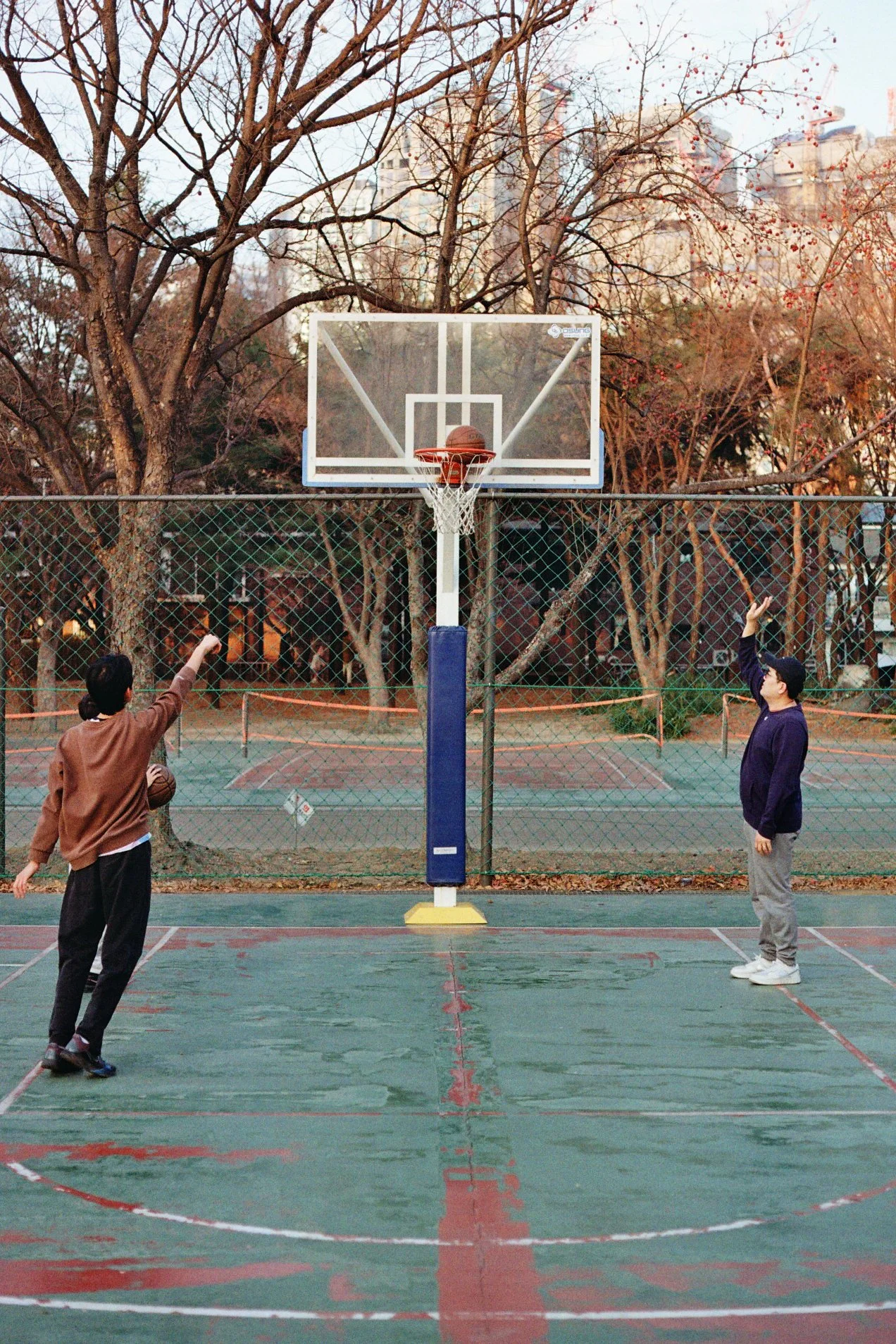
After being so pleasantly surprised, I was determined to explore the city even more in search of more basketball. The next court had a special feel to it, because it’s where I scored my first bucket of 2025 and finally got to face some hoopers.
Next stop: Seoul Forest, a beautiful park perfect for escaping the frenzy of the city center. Despite the cold, several players were out there, working hard to perfect their shots.
Stage 4
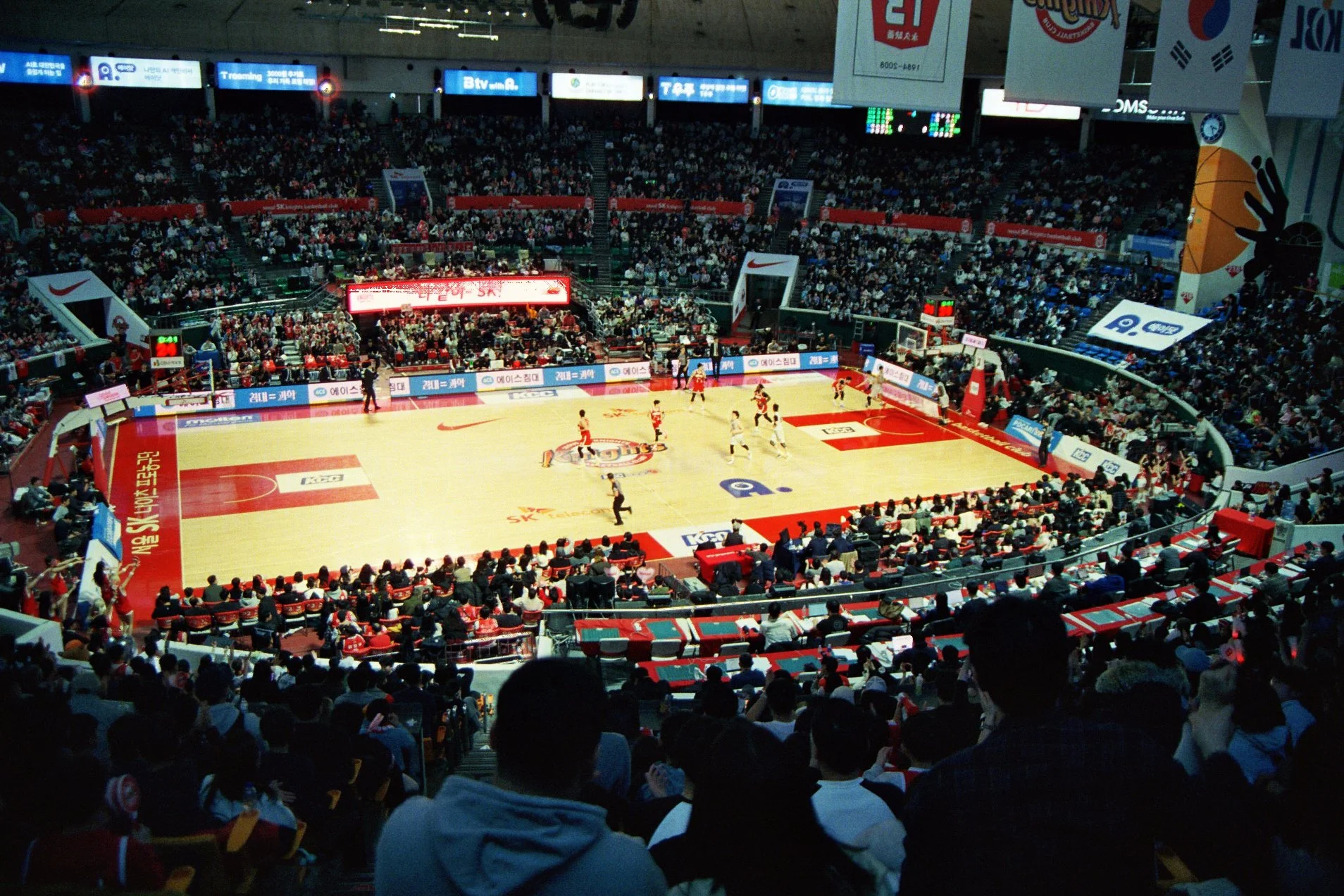
After starting my year in the best possible way, I decided to end this trip on a high note by getting a ticket for a Korean Basketball League championship game. The game was between the Seoul SK Knights, who were first in the standings at the time of my trip, and Suwon KT Sonicboom, in second place! It was one of the biggest discoveries of the trip. I had little idea what the atmosphere, the arena, or the game itself would be like...And it turned out to be one of my most amazing experiences in a basketball arena—culturally speaking at first. The Jamsil Students’ Gymnasium is located within the Seoul Sports Complex, which hosted the 1988 Olympic Games.
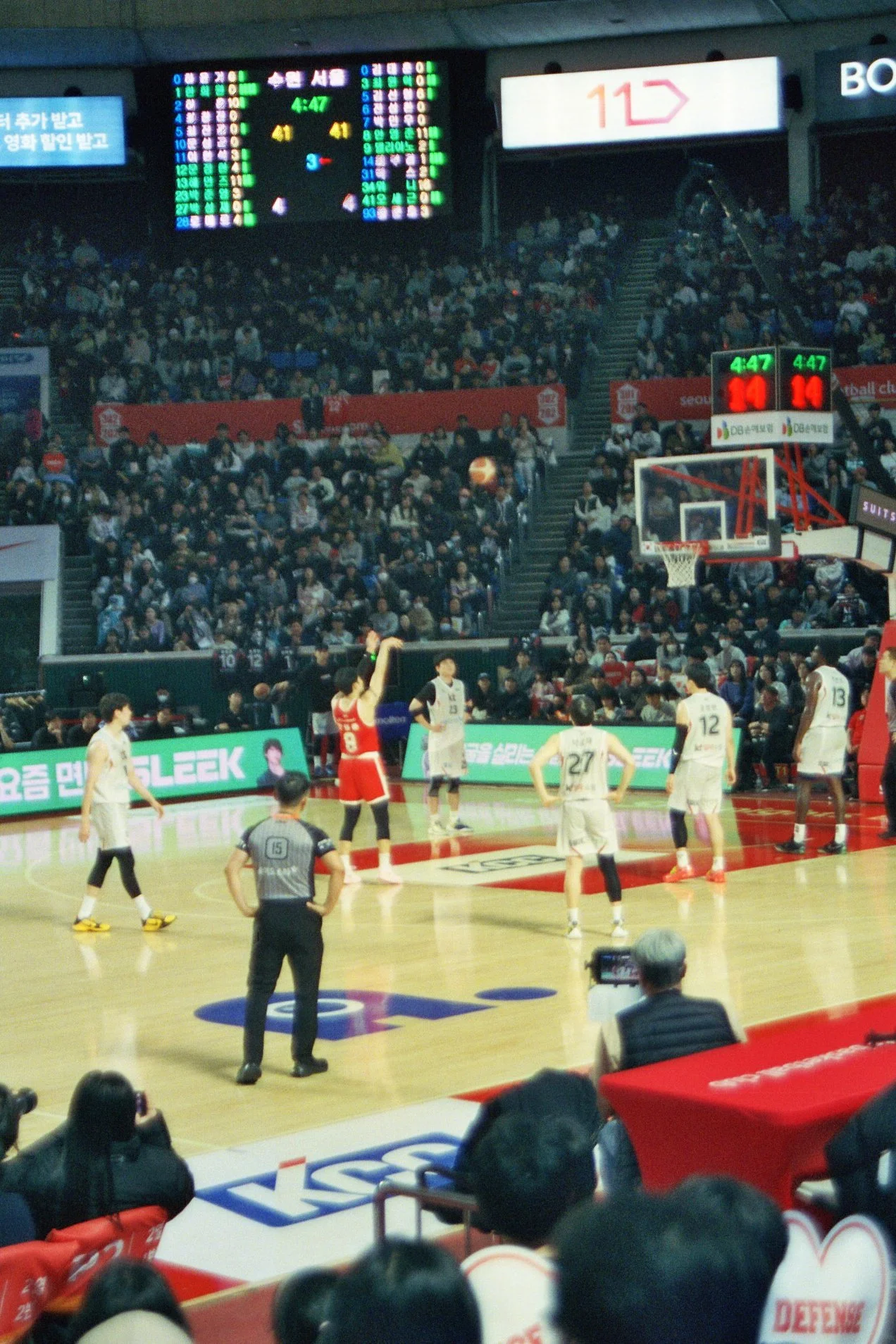
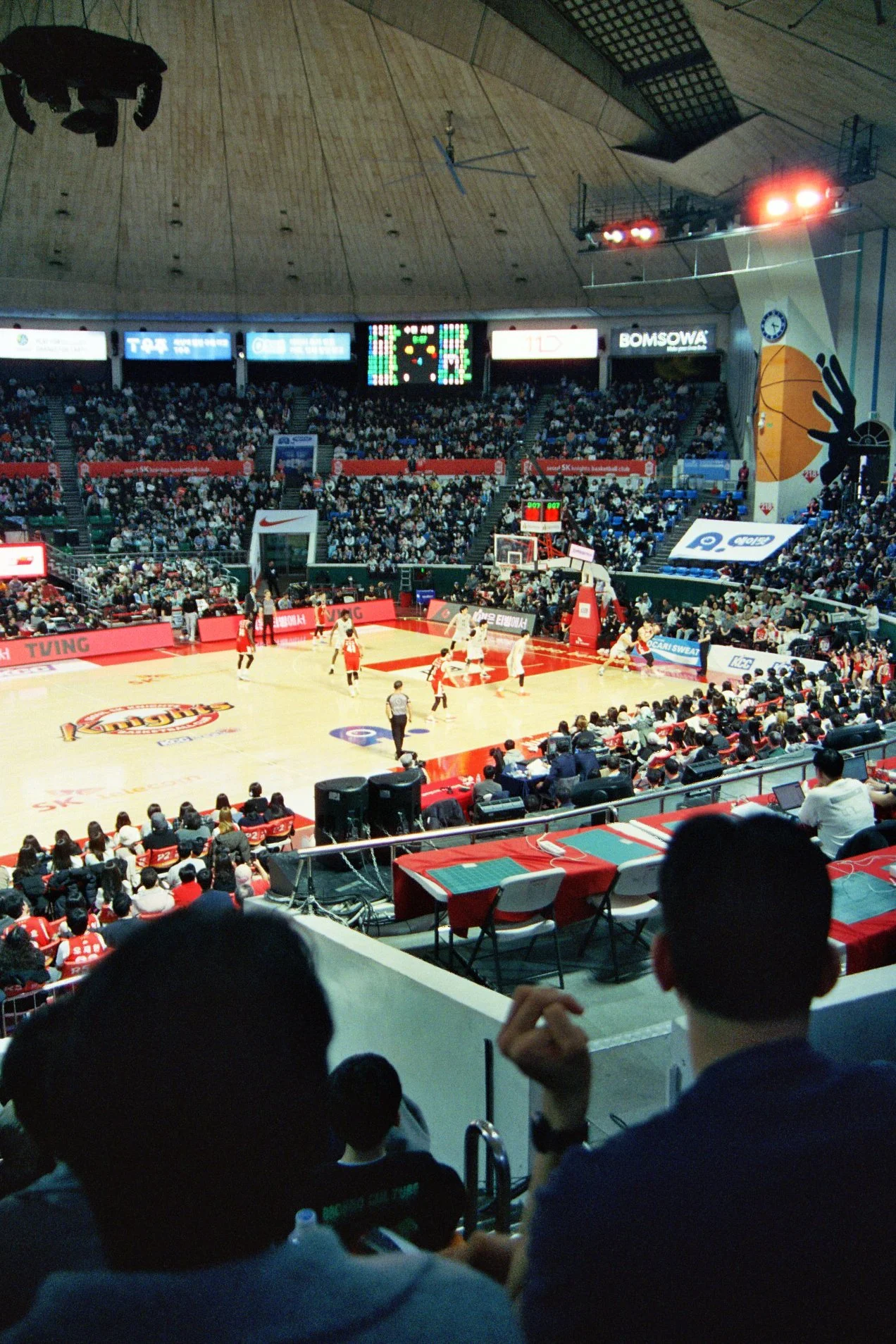
Visually and in terms of atmosphere, it was an absolute treat! A mix of K-pop influence, American-style shows, traditional basketball, and a touch of the anime Slam Dunk.

Stage 5
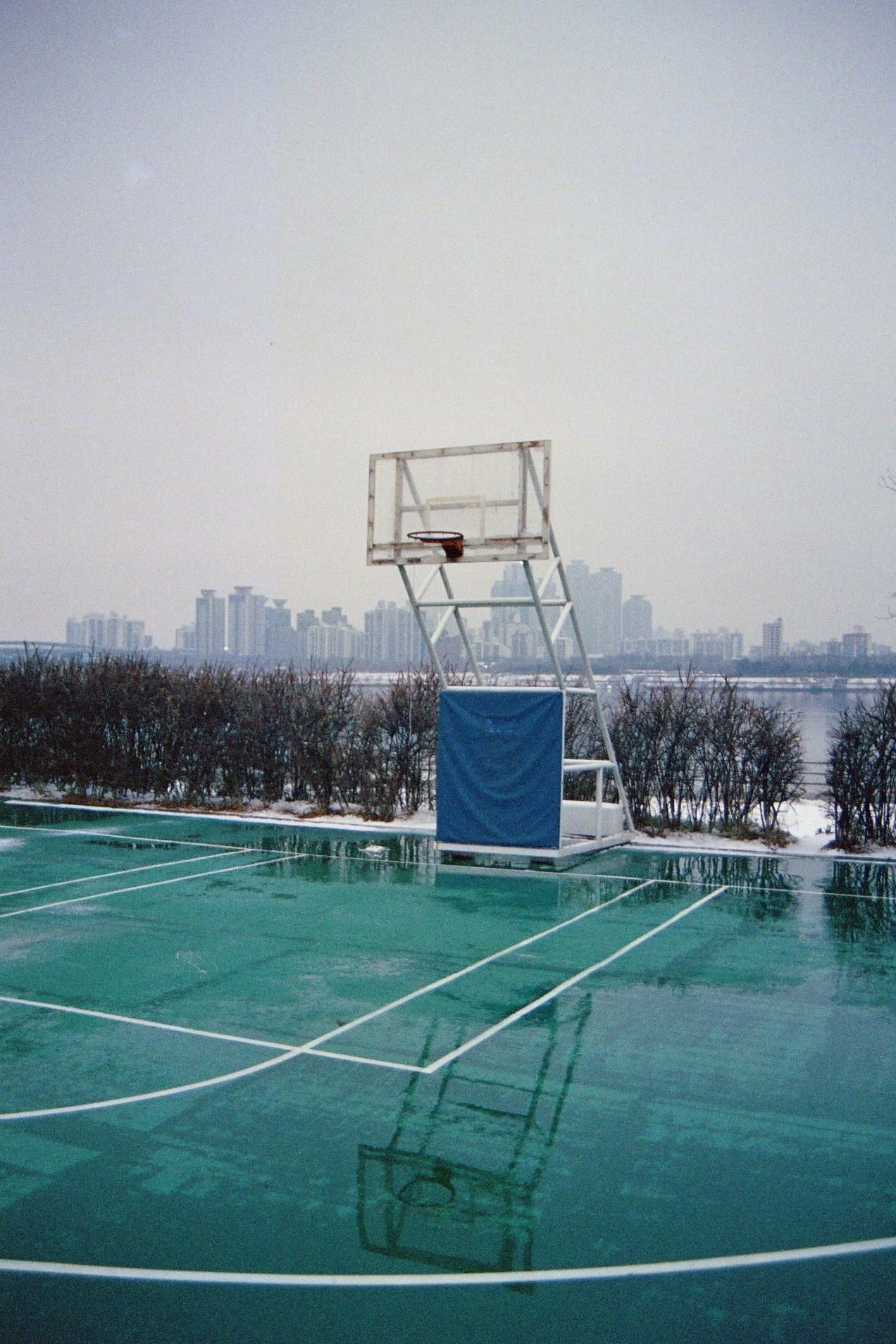
Upon leaving the arena, I walked along the Han River, just a stone’s throw from the stadium. It was a refreshing walk that day; the snow had fallen, creating a very gentle atmosphere. I came across a beautiful playground by the river, with a stunning skyline in the background. A perfect way to close this lovely chapter of basketball in Seoul.