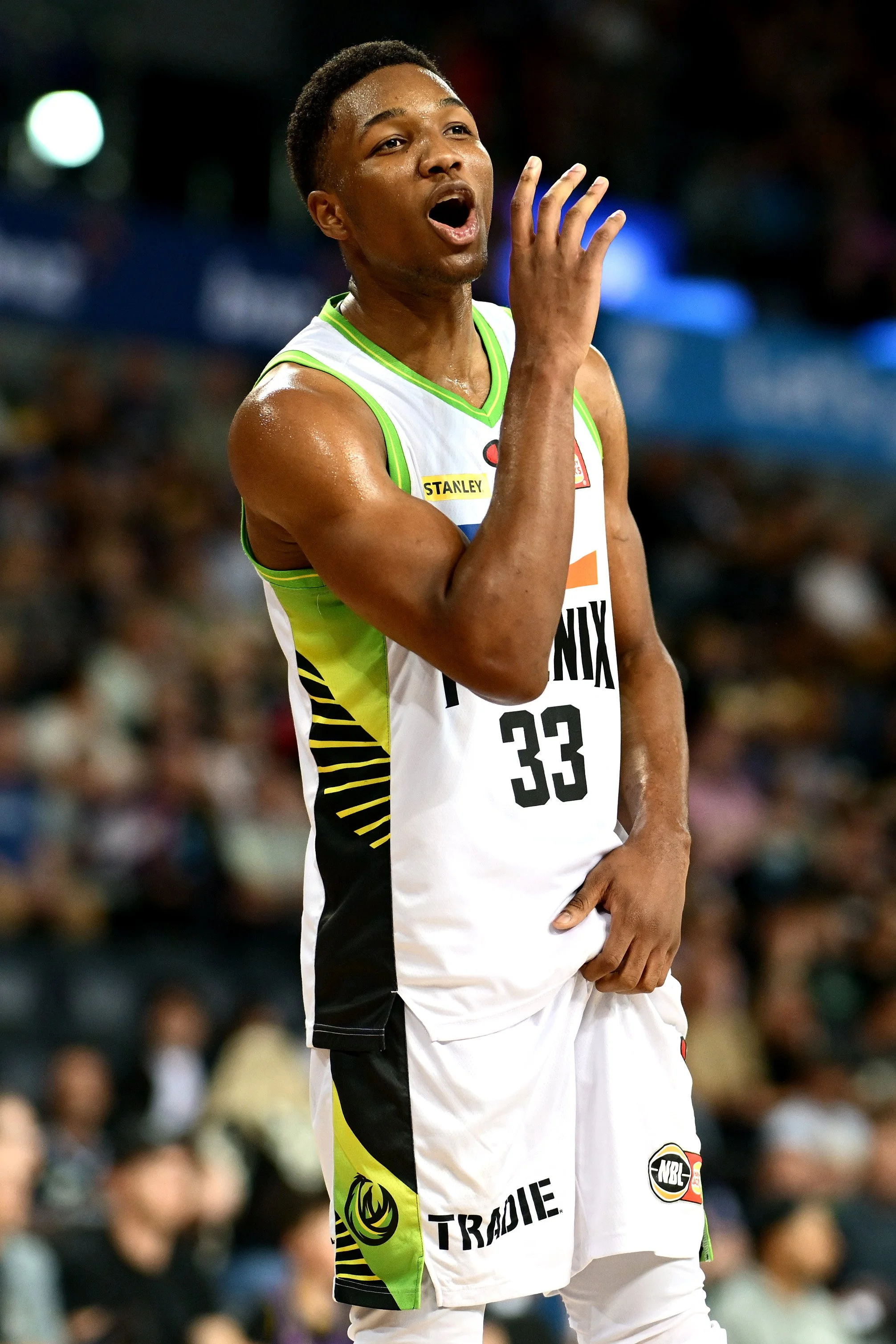
Timing Matters - Malique Lewis
Tracing the future of an NBL Next Star through his atypical origins in Trinidad & Tobago and a coming-of-age journey that passed through Spain and Mexico before reaching Australia.
Interview by Overseas | Gianmarco Pacione
Photography by NBL - Francesco Bonato
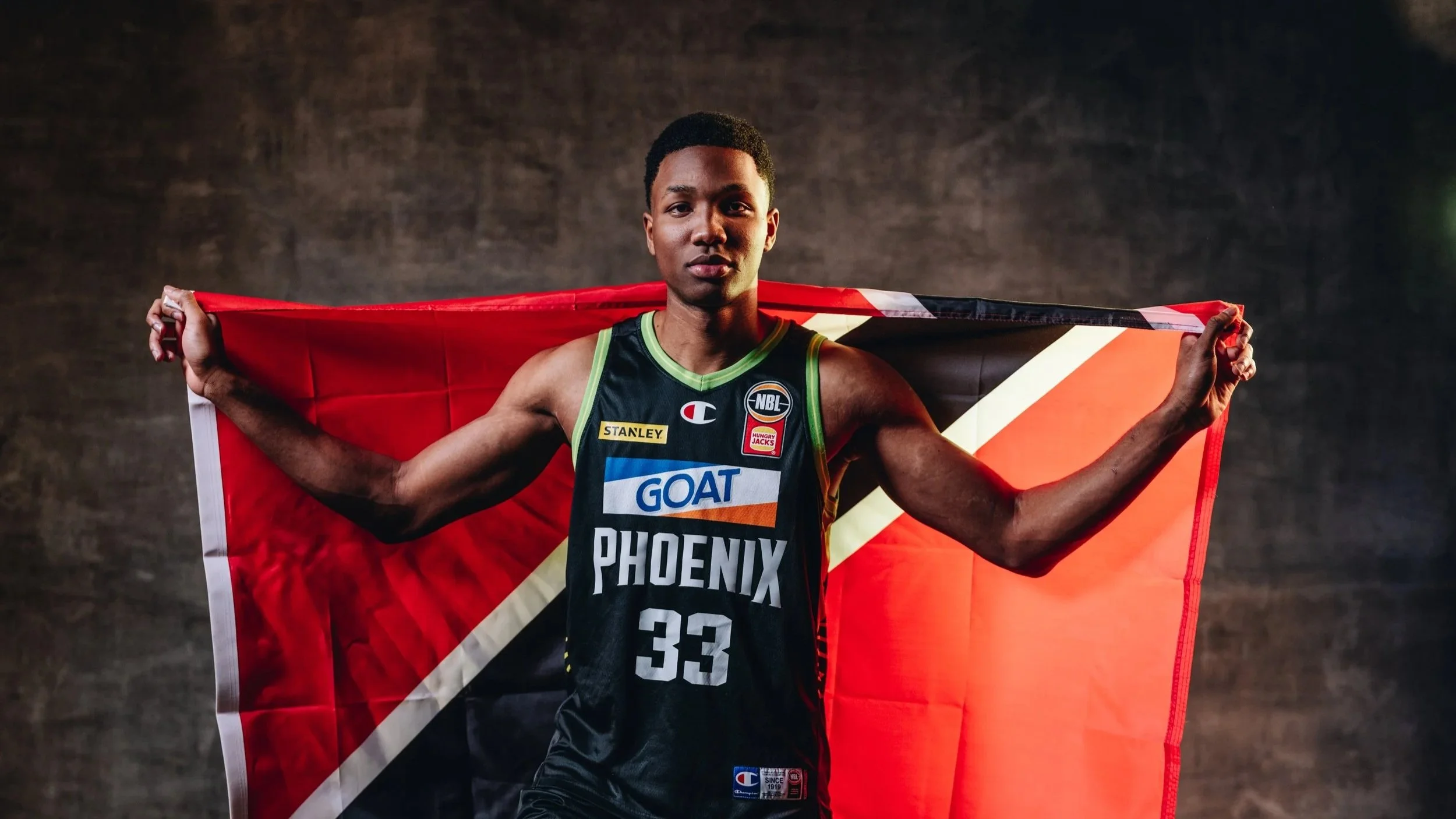
“After all, we make ourselves according to the ideas we have of our possibilities,” wrote Nobel Prize–winner Vidiadhar Surajprasad Naipaul in his monumental novel ‘A Bend in the River.’ Born in Trinidad & Tobago to an Indian family, Naipaul captured in that line a truth that resonates profoundly in the story of another Trinidadian: a young wanderer who found in basketball both his possibilities and the very idea capable of shaping his identity.
Naipaul’s novel reads like prophecy. And prophecy echoes throughout the unfolding life of Malique Lewis: a human and basketball Grand Tour that began amid the creole rhythms of calypso and soca, in a place where the Game struggles to find its voice, too often hushed, too often ignored. Yet it was within this Caribbean archipelago, paradisiacal and fractured, marked by colonial interferences and at the same time bursting with cultural hybridities, that the journey began of an all-around forward now a Next Star in the Australian league, the NBL, and regarded as an NBA prospect. Above all, a contemporary pioneer inspired by James Naismith and by the global path traced by his invention.
First came Spain, where Malique spent his formative years at a development powerhouse like Fuenlabrada. Then came the G League, in a setting as mystical and vibrant as Mexico City. Now it is Oceania—Australia, and the South East Melbourne Phoenix—where the final layers of maturity are emerging. Thousands of kilometers from his homeland, the flight of a hummingbird, Trinidad & Tobago’s lyrical national symbol, becomes the metaphor: for the court, for the making of a narrative, and for a consciousness that knows it still has much to experience, and much to return to in the place that first ignited his devotion.
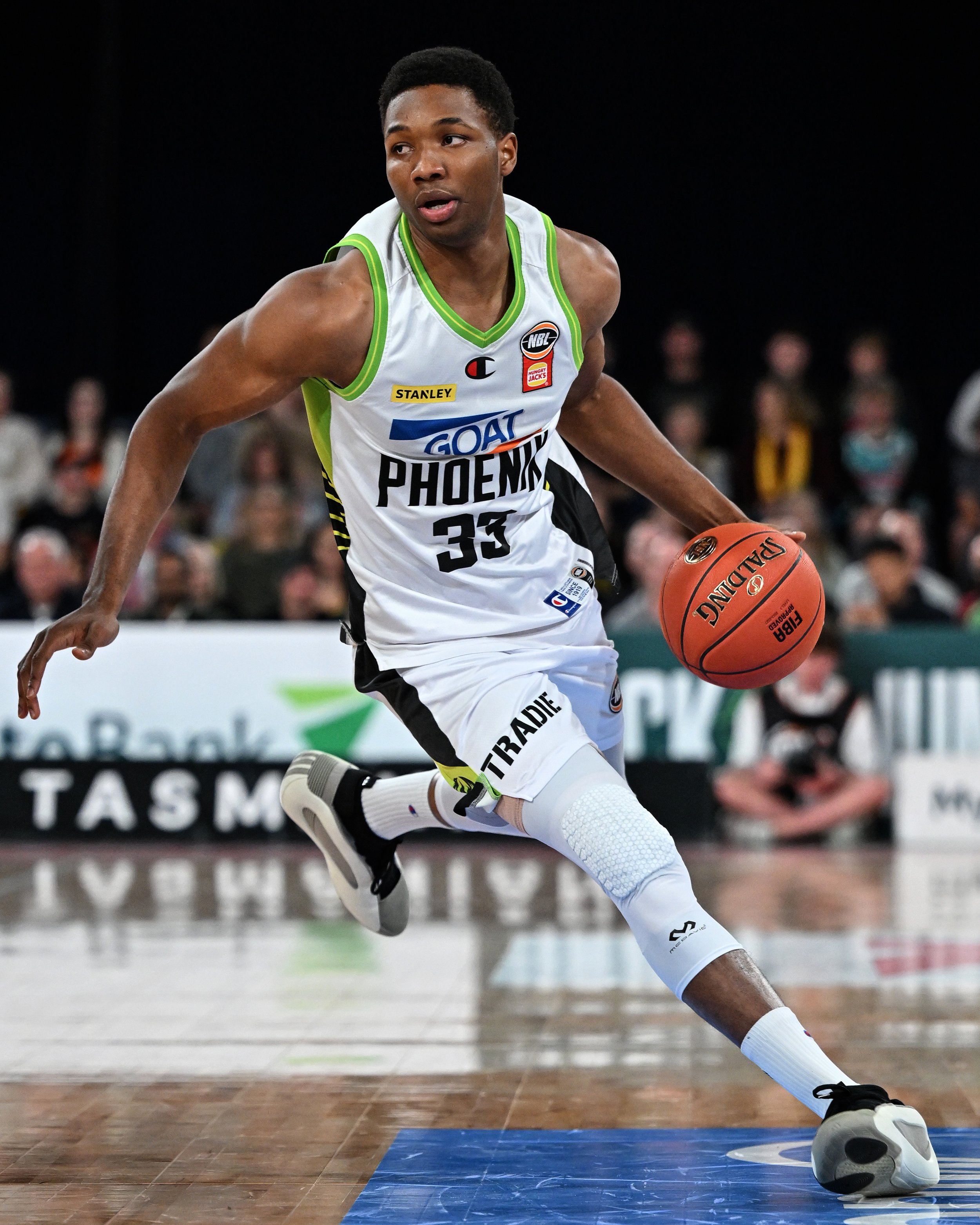
We paused Malique Lewis’s wings for just a moment, capturing a reflection rich in humanity and, at the same time, a clear-eyed examination of his once-unimaginable yet relentless basketball ascent. A stream of consciousness that follows one of Naipaul’s enduring truths: “Small things start us in new ways of thinking.”
[Overseas] You were born in San Fernando, the second-largest city in Trinidad & Tobago. If you had to capture your childhood through a series of images, which ones would define it?
[Malique Lewis] “I grew up surrounded by family, so I was never lonely. I was my mom’s only child, but definitely not the only kid in the house. I had two cousins who were basically my older brothers. My uncles, my grandmother, my aunt: they all lived with us. So I always had someone around to look after me. I wasn’t a troubled kid or anything like that. My routine was simple: wake up, go to school, come home, go outside, play some football (soccer). I didn’t play basketball at first. It wasn’t anything unusual, just a normal childhood, but with a big extended family.”
[O] Now that you’ve experienced different cultures along your journey, what would you say is unique about your roots: about Trinidad and Tobago energy and vibes?
[ML] “I’d say we do things others probably wouldn’t. We get outside a lot younger than most people do. I think by age nine or ten, I was already going to Carnival on my own. My mom trusted my cousins to take care of me. I don’t think that would happen in many other places: definitely not here. So yeah, just being able to do so much at such a young age… that’s something unique to where I’m from.”
[O] How did basketball break into your life? What are your earliest memories of the sport, and what sparked your love for it?
[ML] “During high school, everyone played football on the field at lunchtime. I was a good player, actually pretty good, but I didn’t have the in-game confidence I needed. One day I filled in as a goalkeeper and happened to have a strong run. Someone told the coach that was my position, and he said, ‘You’re our goalkeeper this season.’ I had a terrible year. I was all over the place, and that’s when I really started thinking about quitting. It made the decision easier for me when, around that time, I moved in with my grandparents to be closer to school. Where they lived, there was a basketball court right downstairs: you could stand upstairs and throw something onto it. I started playing a lot. My high school coach, Jeffrey Harris, took me under his wing. That’s when the transition from football to basketball really began. I went to U-15 national tryouts, a weekend camp, and killed it. One of the coaches there, Mario Davis, connected me to others. Eventually I got linked to a scout from Spain, Jaime Alonzo. I hadn’t really played organized 5-on-5 yet: just with friends, some school games, mostly 3-on-3. But those videos were enough for them to evaluate me. I was excited for the opportunity. That’s when I really started taking basketball seriously. I was 14, and I left a week and a half before my 15th birthday to go to Spain.”
[O] What were those first steps like? And what is basketball culture in Trinidad and Tobago actually like? There isn’t much info out there.
[ML] “Basketball in Trinidad isn’t very consistent. In school there are a lot of talented players in football and basketball. But after that, the opportunities disappear. There aren’t many ways to make a living from the sport or connect with people who can give you the kind of opportunity I had. Honestly, I always say I was lucky. There were probably guys who could’ve gotten that opportunity over me. But people believed in me, saw something in me, and gave me a chance. Like I said, I only started taking the Game seriously when I left. My mindset was simple: I can’t go back home because I failed. That would’ve embarrassed me. My first game in Spain came a few days after I arrived: I had a bunch of steals, scored around 14 points. I wasn’t a shooter then, so everything was downhill, using my body. That’s when I realized I had a real shot. Leaving Trinidad was the first step. Everything else was up to me: how fast I developed, how much I invested in my body and my game.”
[O] Coming from the basketball landscape of Trinidad and Tobago, how challenging was it to adapt to the tempo and style of the Spanish game? And culturally, how did you navigate that shift?
[ML] “Personally, I was just excited. I wasn’t homesick until years later. Everything felt new: the cold weather, hearing everyone speak Spanish, the small streets… I lived with other foreigners, so blending in wasn’t hard. I had two African teammates I got close to. What hit me the hardest was realizing how much time I’d missed with my family. My cousin had a baby after I left: I saw him on video. That’s the thing that made me realize I’d have been away for a long time. Basketball-wise, at first it wasn’t tough because I hadn’t learned the Game yet: I was just using my physical advantages. It got tougher when I moved up to U-18, U-22, and then the first team. That’s when I had to actually understand basketball—when to do what, how to read situations—because the physical edge wasn’t enough anymore.”
[O] And what was it like returning home later: this time as a rising pro athlete with a new status and new dreams?
[ML] “A lot of people didn’t know I was coming back. Only the people picking me up from the airport knew. Everyone else was shocked: I left small, came back big, strong, tall, with a deeper voice. But it was tough emotionally. My little sister had grown up, my little brother’s voice had changed. I had missed all of that. Everyone wanted to cook for me: every house had food waiting. I probably gained a few pounds. But I was just happy to be home. At the airport, hearing the Trinidad accent again, I couldn’t stop smiling. People in the streets didn’t recognize me: they just saw a tall guy and asked if I played basketball. Maybe next time I go back it’ll be different.”
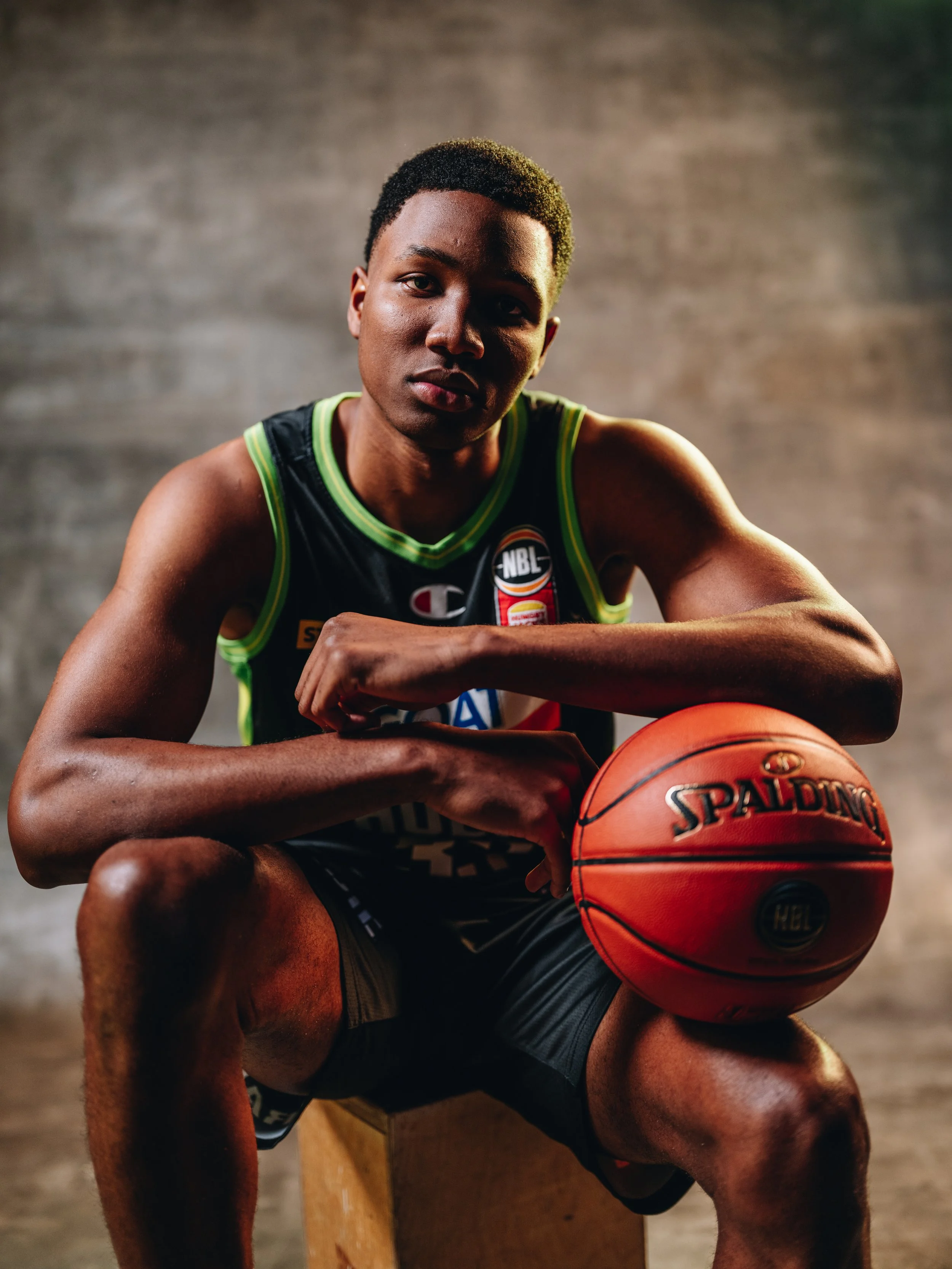
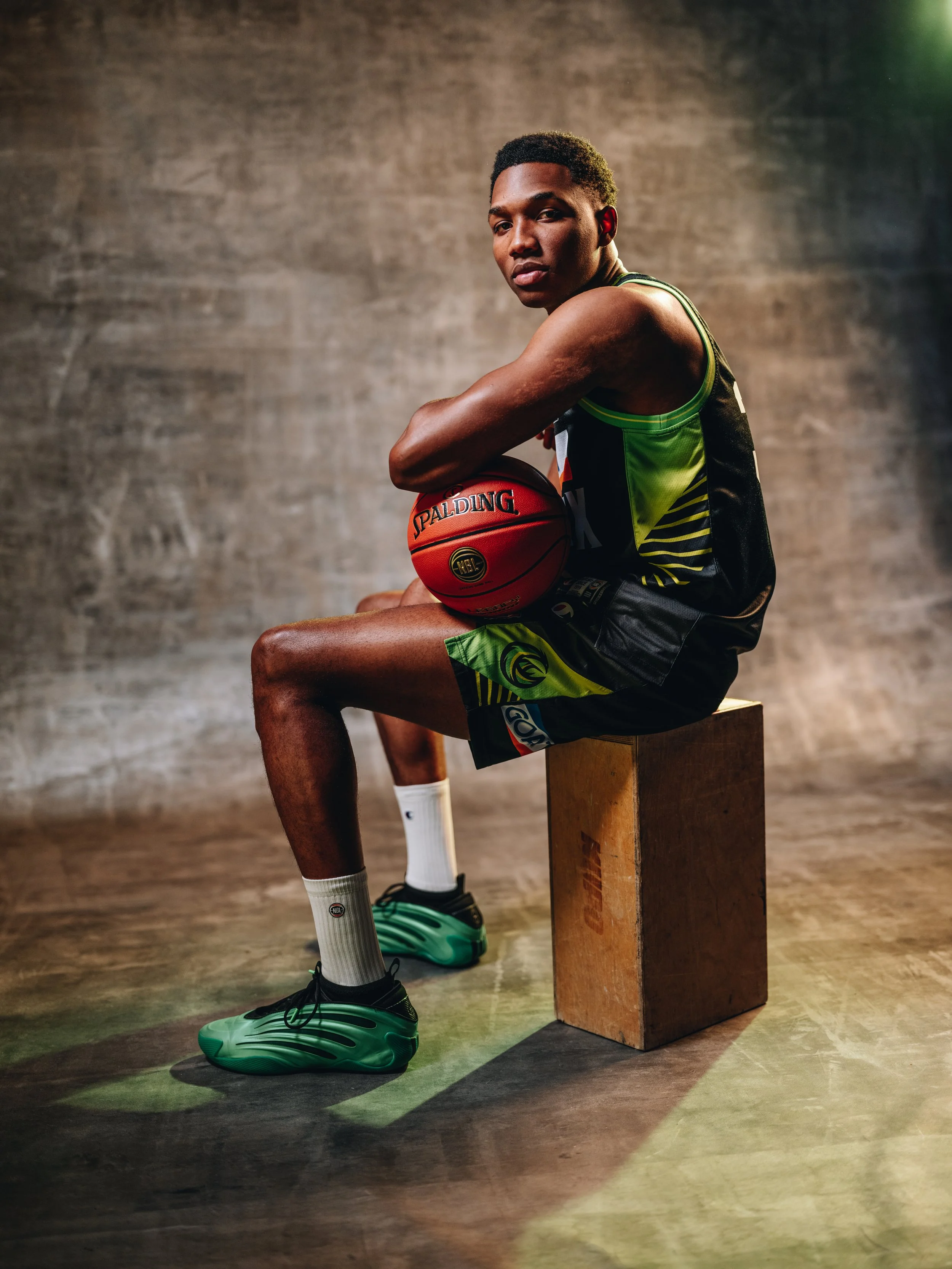
[O] Let’s talk about Fuenlabrada: one of Europe’s historic basketball environments. What did that experience teach you? And what kind of player did you envision yourself becoming at that time?
[ML] “Fuenlabrada was probably the best thing that could’ve happened to me at that point. Being so young and actually playing for an ACB team… that meant everything. Toward the end of the season, the coach trusted me: not just standing in the corner, but handling the ball, taking shots, making plays. Spain is the best place to learn basketball. They teach how to read and understand the Game. That’s my advantage now and for the future. At first, I was nervous and starstruck. I’d make a play and people would react like, “Whoa!” Meanwhile I knew internally: I can do that. The challenge was doing it consistently, not hesitating. Once we were mathematically relegated, I relaxed. The pressure eased, and I played with confidence: attacking, pushing in transition, doing everything. In my last game for Fuenlabrada, I scored 28 or 29. I don’t want to sound corny and say that’s when “Malique was born,” but… yeah, that’s where everything really started.”
[O] From Fuenlabrada to Mexico City and the G League with Los Capitanos: first, what was it like making a home in the Mexican capital? And what did that new basketball environment bring into your life?
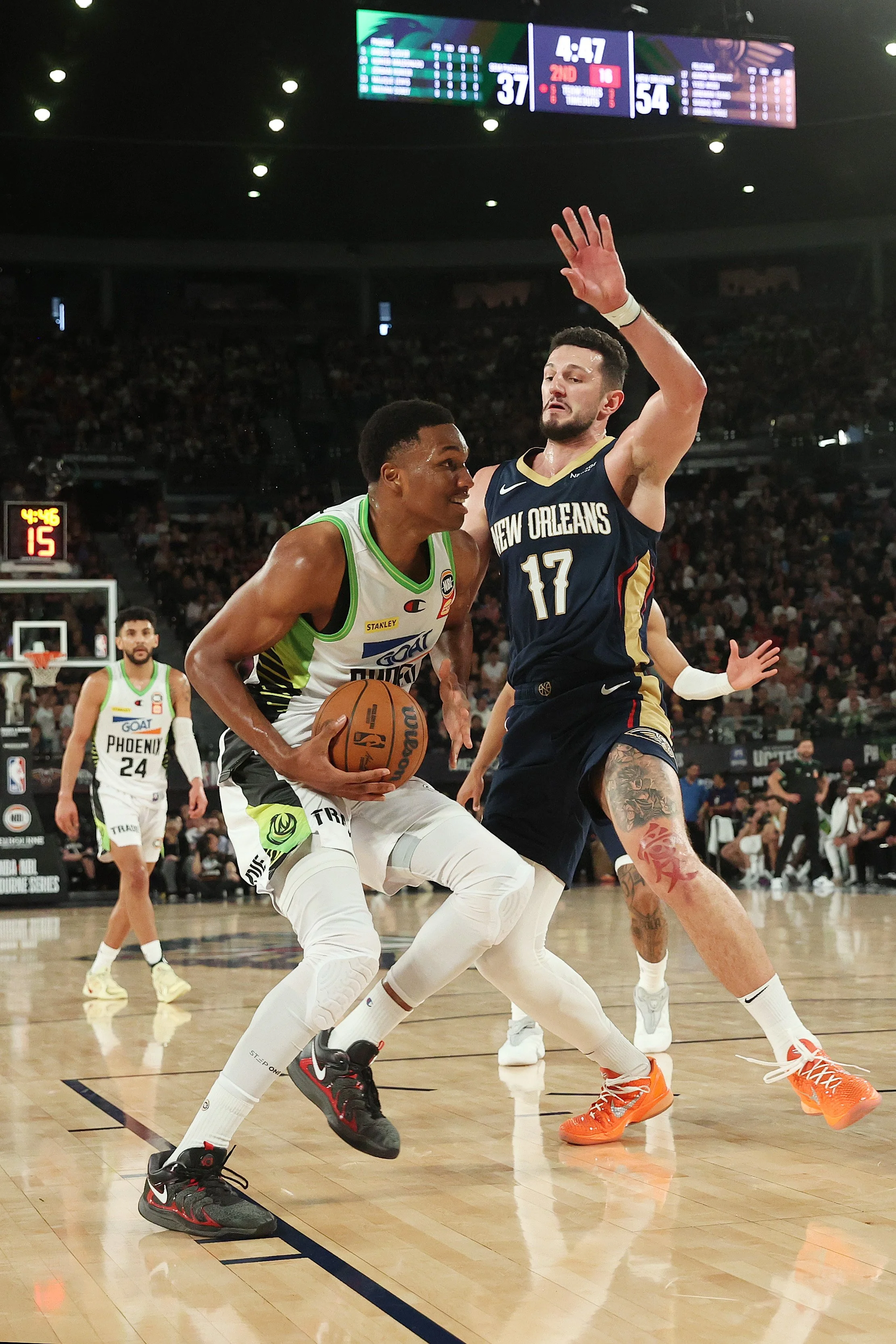
[ML] “I’m probably the worst person to ask about exploring the city. I don’t go out much. Even in Melbourne, I can only tell you about my room. Where we lived in Mexico City, everything was nearby—groceries, restaurants—so I didn’t need to go far. But the fans? Amazing. We broke attendance records three or four times. For a G League team, having 15-16,000 people in the arena is crazy. And playing with guys like Trey Burke, Michael Carter-Williams, Kenneth Faried, and Juan Toscano-Anderson… that was surreal. I’m 18, guarding Trey Burke in practice, talking to Kenneth like he’s my buddy. These guys treated me with respect: they listened, they cared about my growth. No ego. That meant a lot.”
[O] How did the G League compare to the ACB?
[ML] “In Mexico City we didn’t practice as much because of the travel. Most practices were 5-on-0. So if I wanted to get better, it had to be outside of practice. In ACB I’d practice twice a day, sometimes with the second team too. There was more structure. The G League was easier in some ways because all eyes were on the stars: so I got wide-open shots, clean cuts. At first defenders were like, “We’ll live with his shot,” or “We’ll live with him handling the ball.” Then later, as guys left and roles changed, teams started guarding me differently. We missed the playoffs by one game. After that, I moved to the NBL.”
[O] Talking about the NBL. What kind of energy and basketball culture did you find in Melbourne?
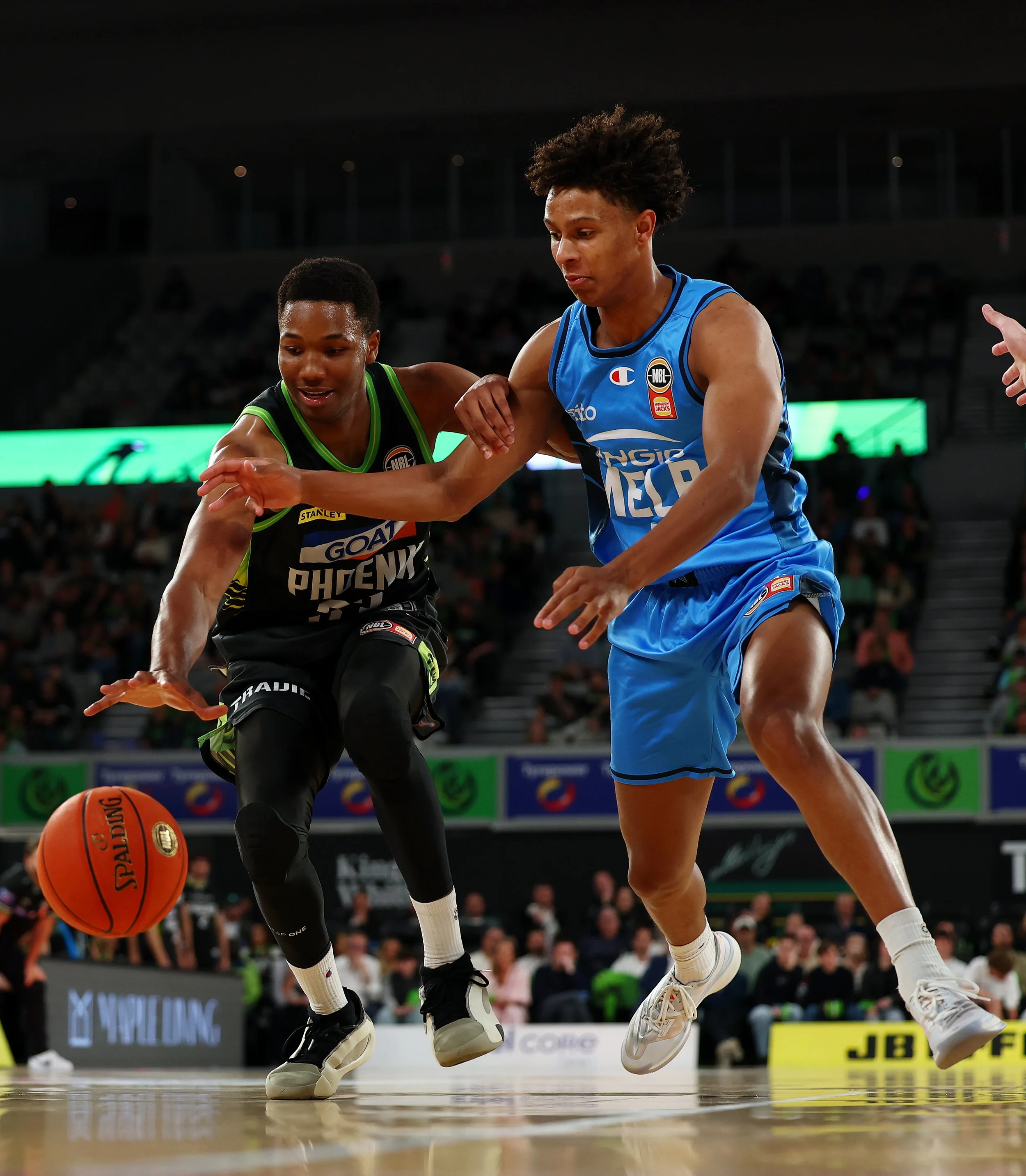
[ML] “The league is physical. Really physical. They let a lot of things go. At the start, I didn’t know my role or how much I’d play. I barely played early on, which was frustrating. But around five games in, I started starting. My job was simple: defend. Guard the guy with the ball. Everything started with me. I had a big role for a new guy in a new league. It was about effort: sliding my feet, rebounding, boxing out. Everything else was a bonus.”
[O] What was it like stepping into the Next Stars program?
[ML] “The Next Stars program is full of genuine people who want you to succeed. Liam Santamaria has been huge for me, his family too. Manuel Riccio as well. They highlight what you do well, but also tell you what to improve. More rebounds, more aggression, more steals: things that help me and help the team win. We went to Italy [the NBL brought a Next Stars team to the adidas Eurocamp during the off-season, ed.], and they took care of everything for us.”
[O] What are your main sources of inspiration? And do you have mentors or people both inside and outside your family who hold a particularly important place in your life?
[ML] “That list is long. I’ve met so many people, and it feels like everyone in my circle genuinely wants to see me succeed. I’ve never had someone around me who tried to sabotage me. People believed in me even when I didn’t always see it myself. I take everyone’s opinion into account: good or bad. If it can help me, why not learn from it?”
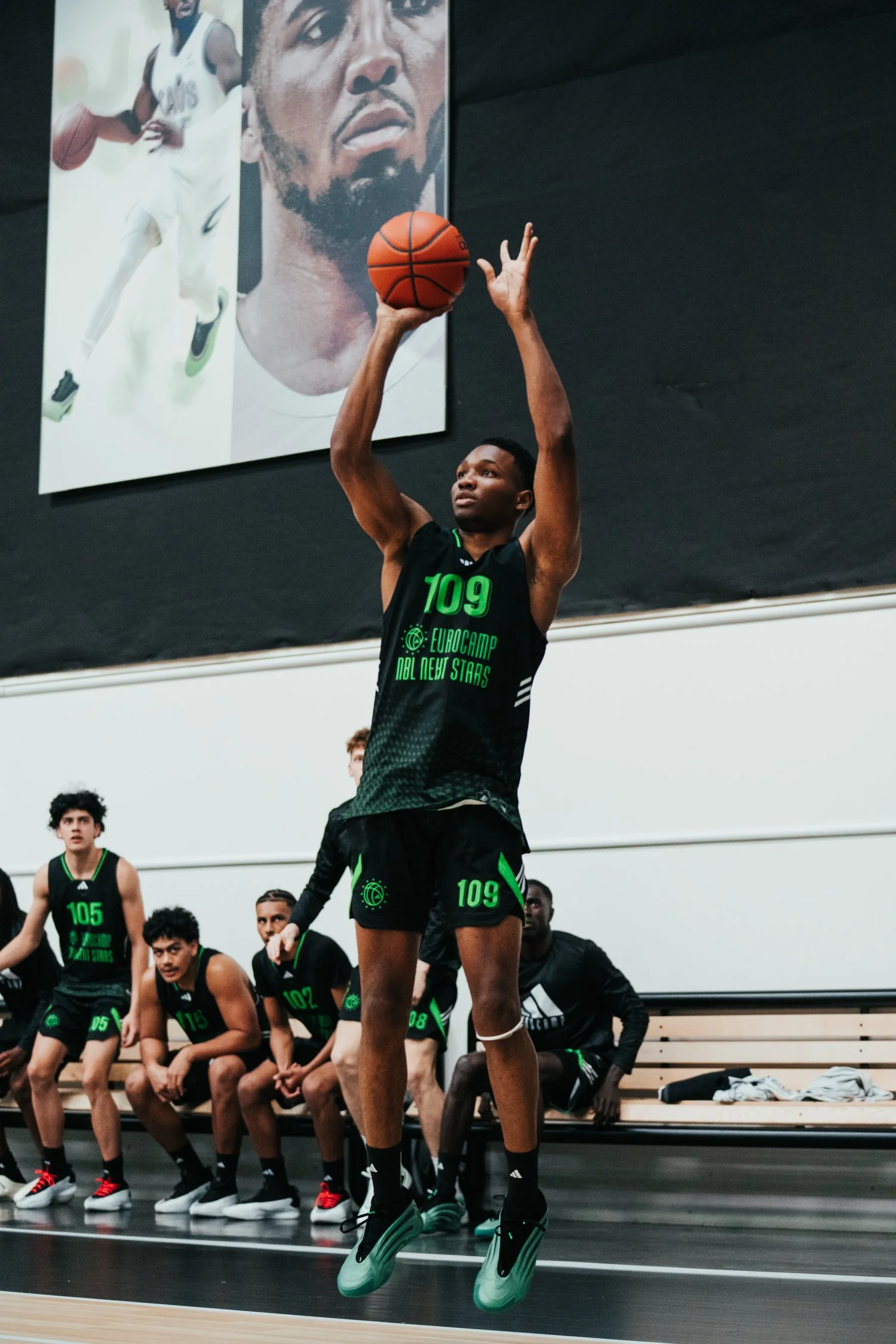
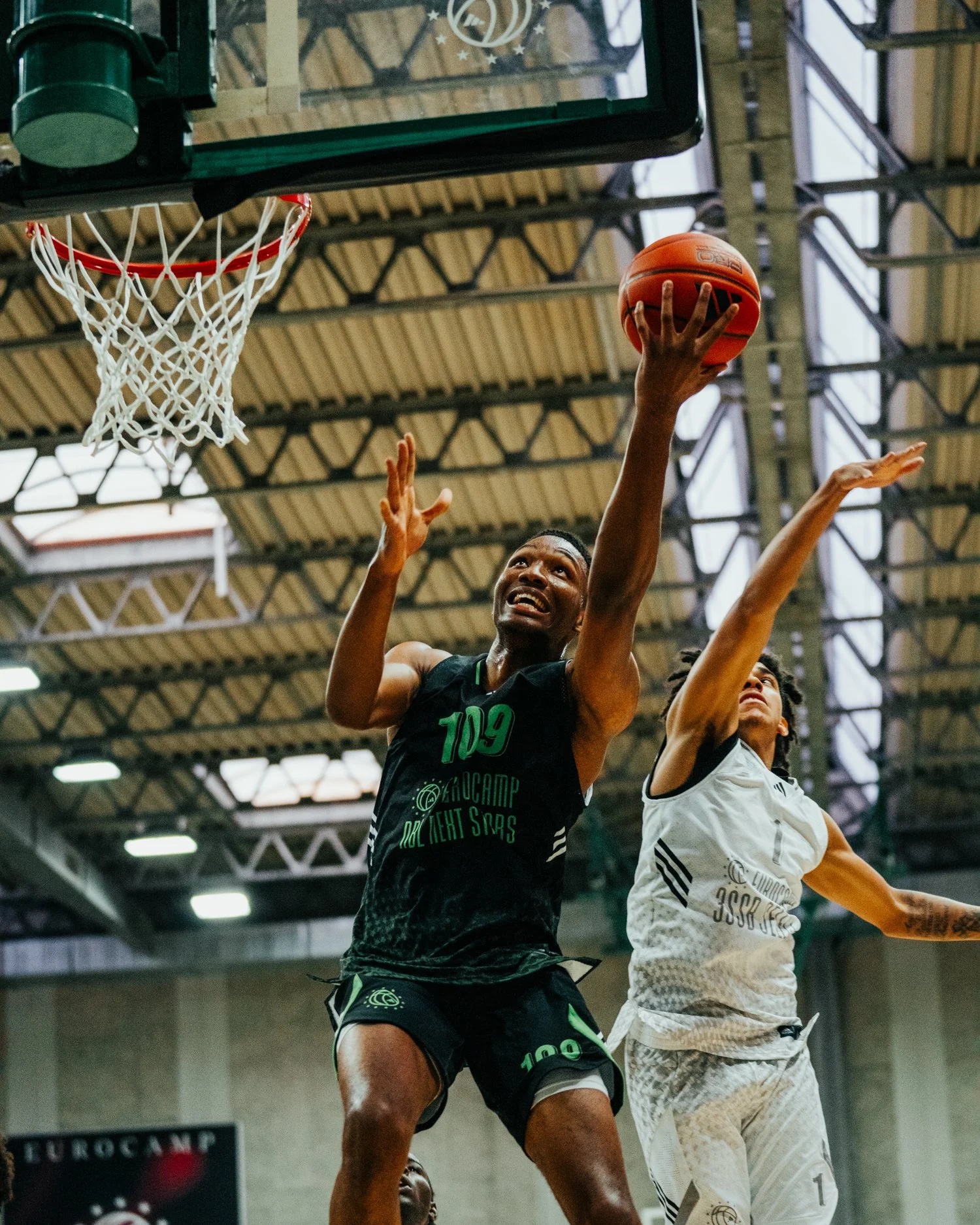
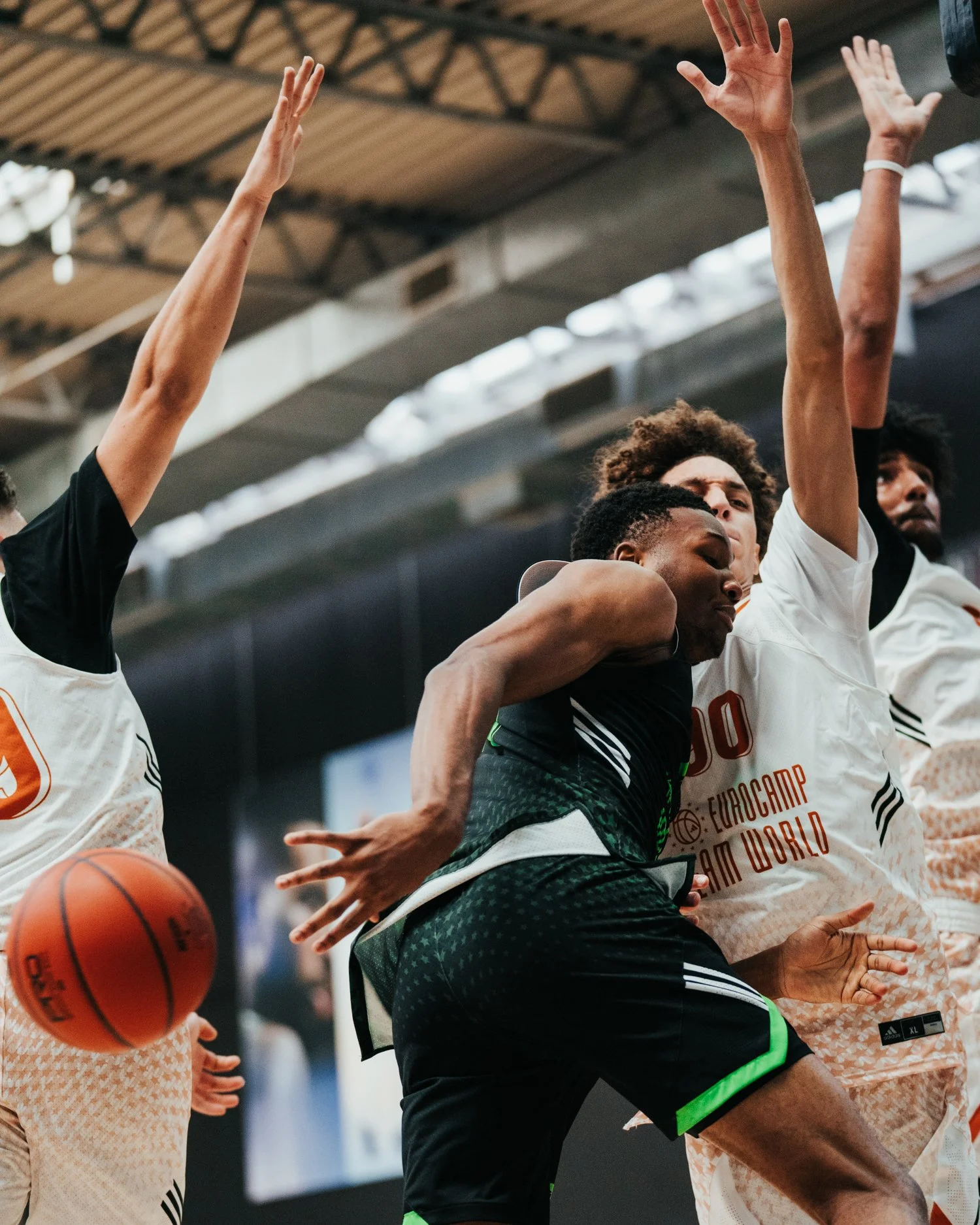
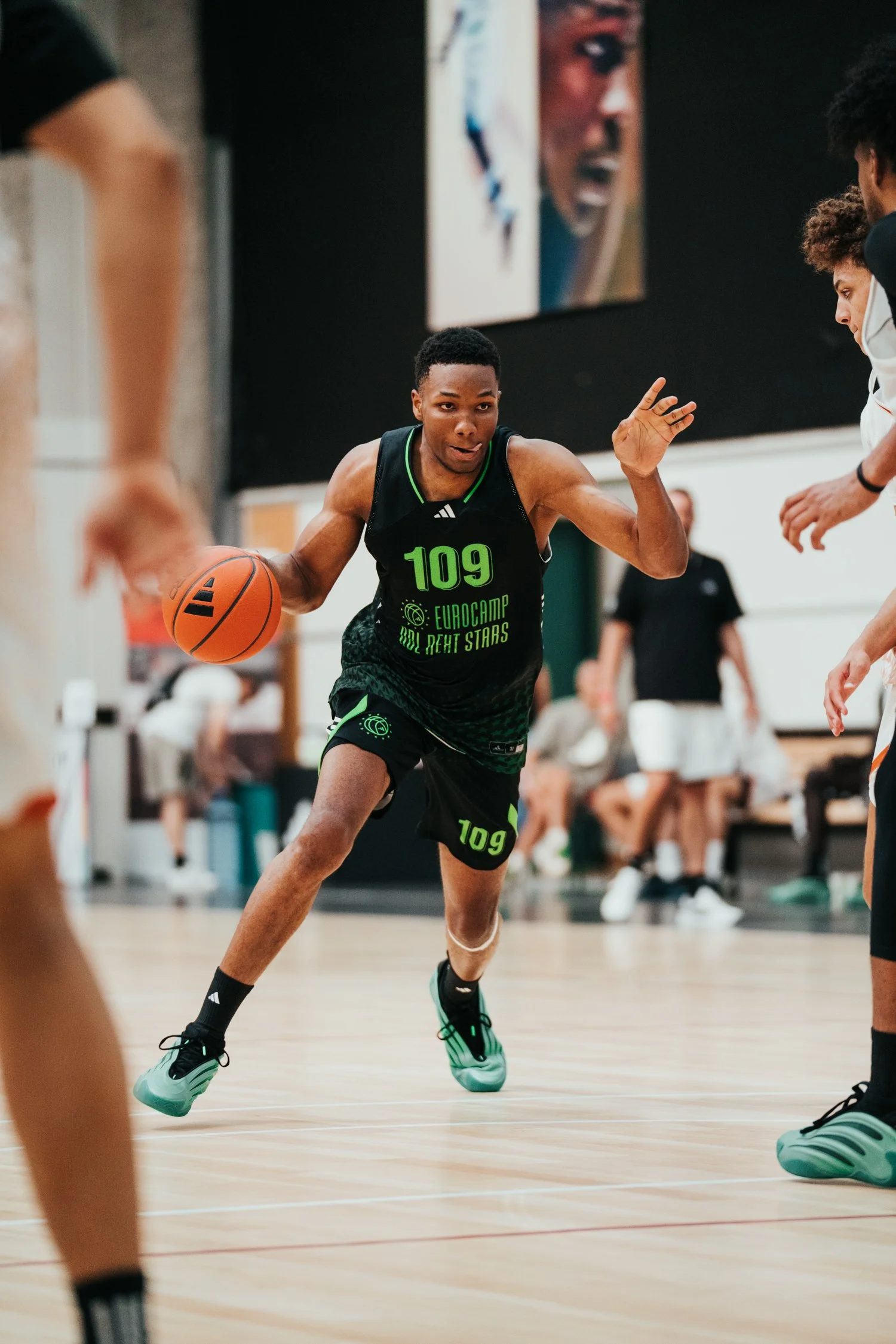
[O] At this stage of your journey, how much of Trinidad and Tobago lives within your personal and basketball identity? And how have these diverse cultures influenced — and even reshaped — your approach to life?
[ML] “Trinidad is always with me. I’ve got my flag with me everywhere: I just don’t have a place to hang it right now. I wouldn’t say I have a “Trinidad style” of basketball, but who I am comes from where I’m from. Traveling the world, seeing different families… it’s made me want to build a strong household someday. A two-parent home. I don’t want my kids growing up without that. It’s something I think about a lot.”
[O] What are your ambitions: both with the South East Melbourne Phoenix and on a personal level?
[ML] “Short term? I haven’t played the last few games, and probably not the next two. So I want to get back on the floor. Long term, the NBA is the goal. But right now, I’m here, and winning matters. Being part of winning matters. People predicted we’d finish 10th, which was crazy. We want to prove them wrong. After the season, it’s about the pre-draft process: working as hard as I can to give myself the best opportunity.”
[O] Do you hope to help the Game grow back home?
[ML] “It’s something I think about. A lot of people around me think about it too. But timing matters. Where I am right now, it would be harder. If I make it to where I want to go, the impact would be much bigger. So it’s about timing. Not now: but hopefully in the future.”